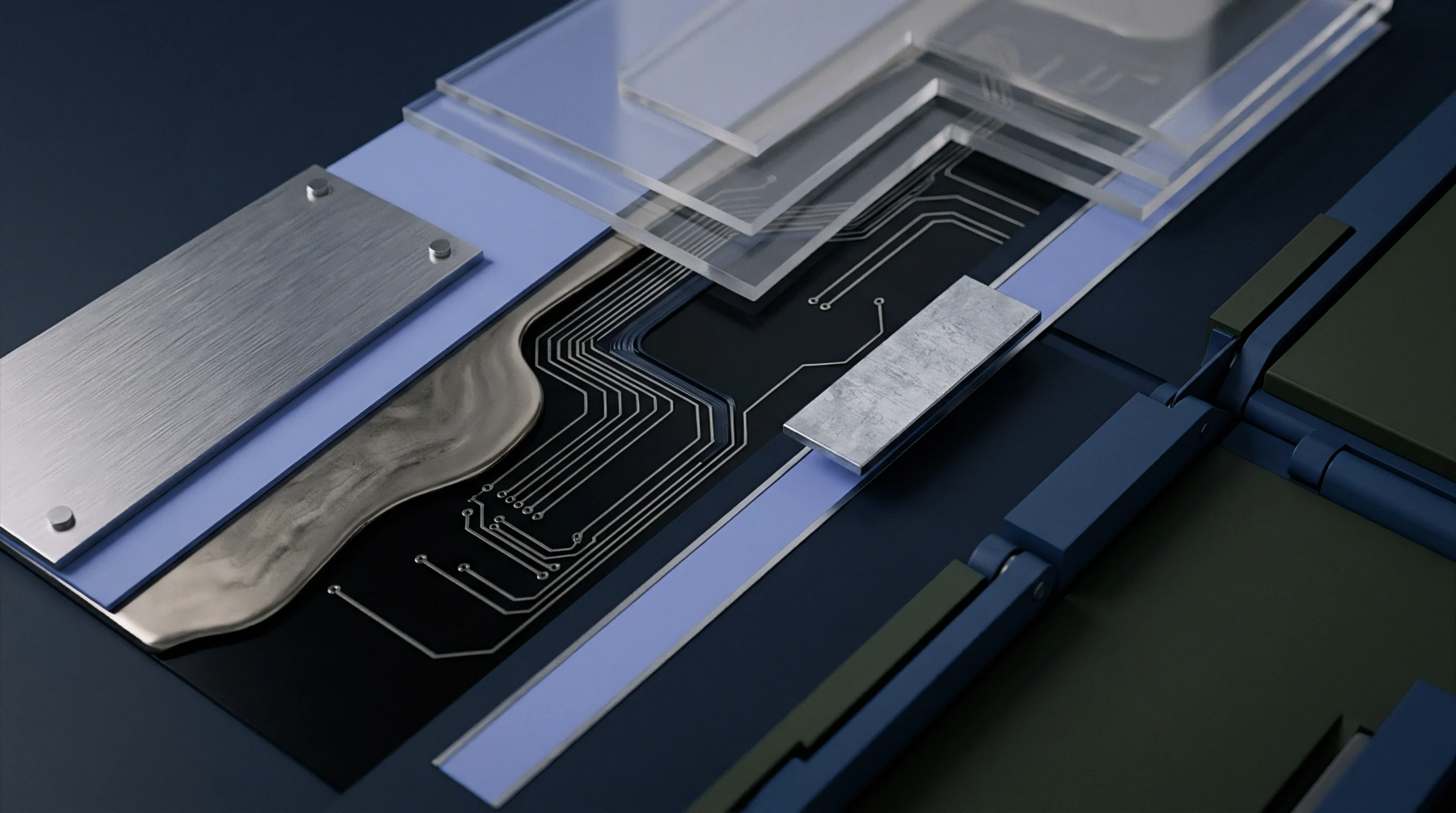
Moisture Release
The rate at which an electronic component or printed circuit board loses absorbed moisture during exposure to elevated temperatures defines a critical baseline for assembly preparation. This release behavior, termed a desorption profile, outlines how long and at what temperature a board must be baked to reach a safe moisture level. It depends on the thickness of the laminate and the polymer properties of the package.
Knowing this rate helps prevent delamination during reflow. The profile ensures that bake cycles are long enough to drive out moisture without causing intermetallic layer growth on the component leads.
Analytical Method
Engineers measure the weight of the substrate at regular intervals during a baking cycle. Highly accurate scales track the loss of milligrams of water over twenty-four hours. This data is plotted to generate a curve that shows the transition from rapid drying to a stable dry state.
The slope of the curve determines the optimum drying parameters.
Thermal Characterization
Different materials require specific temperatures to trigger efficient moisture escape without damaging the base resins. Fiber-reinforced laminates release moisture slower than plastic package encapsulants. High-reliability assemblies use these curves to set baking procedures for delicate multilayer designs.
This process reduces the risk of internal voiding during subsequent high-temperature soldering.