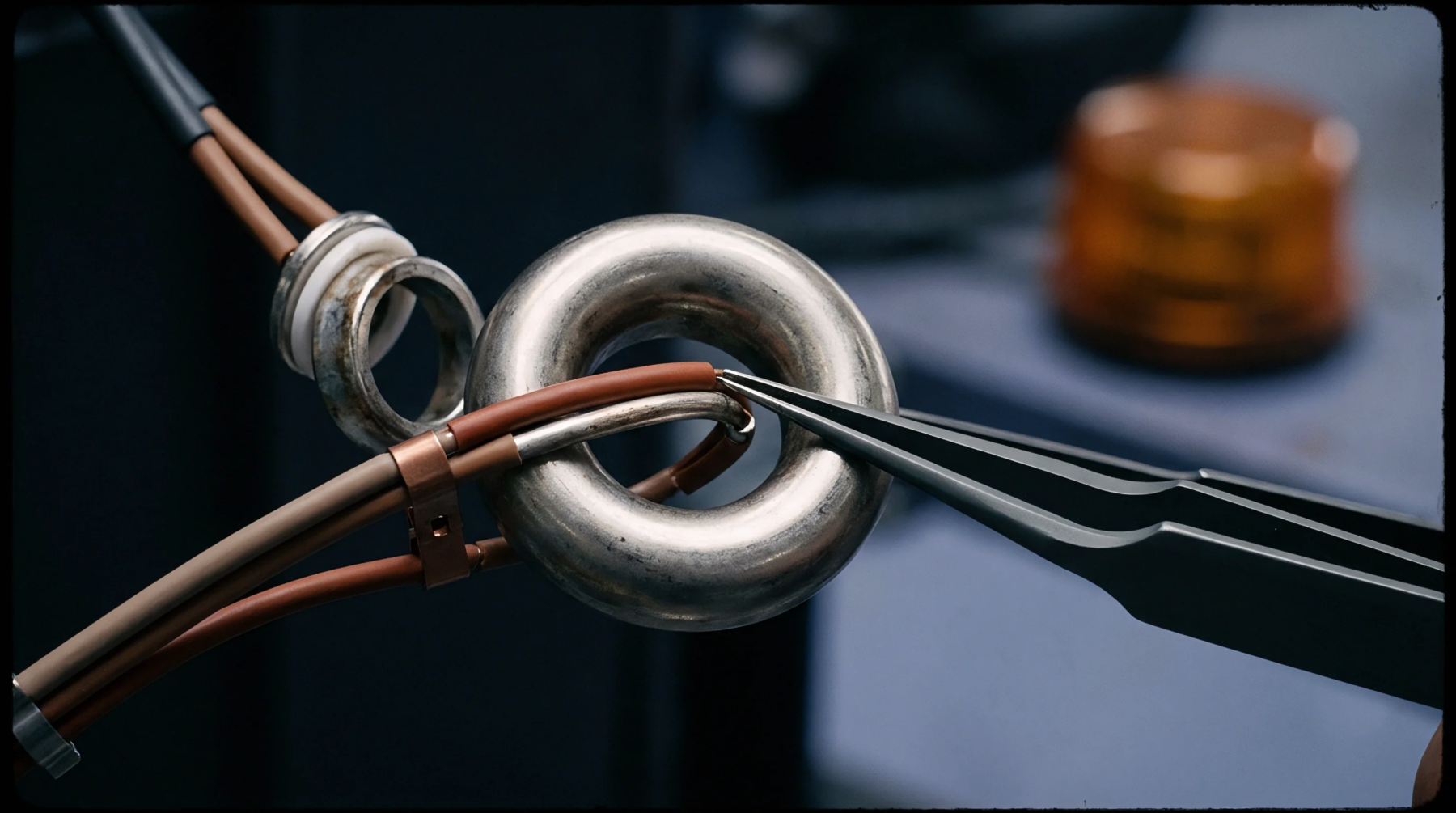
Thermal Boundary
Polymer characterization relies heavily upon differential thermal scanning to establish the specific heat capacity and glass transition behavior of substrate films during high yield fabrication runs. Continuous heat flux monitoring measures the enthalpy changes occurring within printed circuit board laminates as temperatures ramp through critical reflow boundaries. Differential scanning calorimetry equipment records these energetic transitions inside enclosed microfurnaces containing matched sample pans.
Controlled heating rates prevent localized thermal gradients from distorting the resulting thermograms before they reach the data acquisition software.
Exothermic Profiling
Curing kinetics dictate the mechanical integrity of polymer thick film resistors deposited during sequential layer lamination. Reactive epoxies undergo measurable enthalpy shifts as crosslinking reactions release thermal energy across specific temperature intervals. Baseline calibration constants correct for instrumental drift during multi-hour production monitoring cycles.
Integration software calculates total reaction enthalpy from the enclosed area beneath the normalized heat flow curve.
Transition Boundary
Material degradation commences whenever processing temperatures exceed the decomposition threshold established by previous thermomechanical analysis. Glass transition intervals determine the maximum thermal exposure a printed board laminate withstands before dimensional instability compromises plated through-hole reliability. Enthalpy relaxation peaks provide quantitative metrics for evaluating the degree of cure achieved during press cycles.
Thermal resistance limits prevent delamination failures during subsequent wave soldering operations.