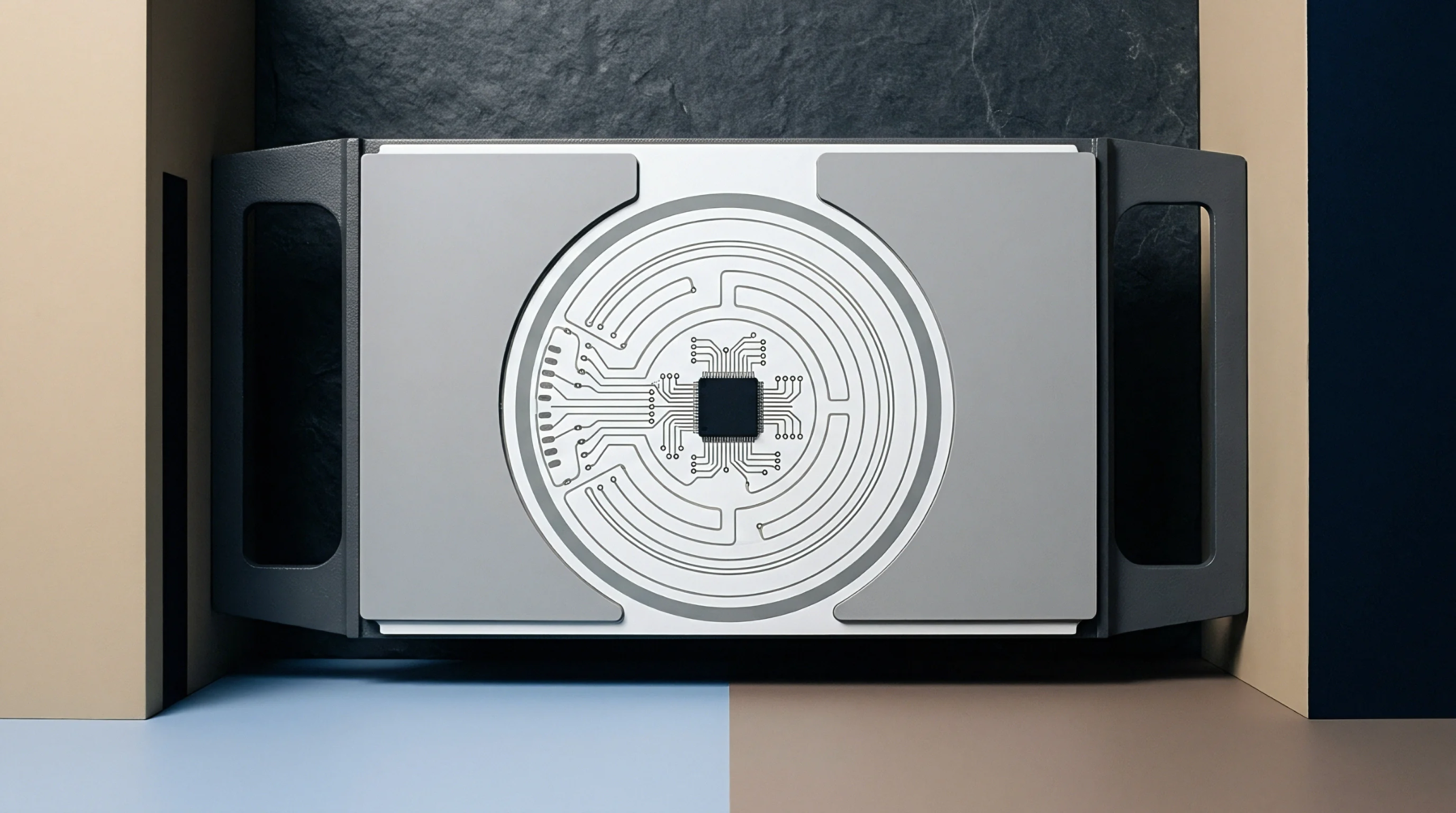
Moisture Extraction
Thermal conditioning applied before reflow soldering eliminates trapped water vapor from within laminate layers and component bodies, stopping internal delamination and explosive package cracking during high temperature exposure. Standard processing protocols demand elevated temperature cabinets operating between one hundred degrees Celsius and one hundred twenty five degrees Celsius for defined durations, maintaining moisture sensitive devices below critical internal saturation thresholds prior to surface mount placement. This preparatory step prevents steam pressure build up inside plastic encapsulated microcircuits during rapid thermal transitions.
Extended heat exposure continues until internal humidity sensors confirm compliance or until prescribed bake cycles conclude based on package thickness and ambient exposure levels.
Thermal Tolerance
Prolonged heating cycles alter epoxy molding compounds and copper clad laminates by advancing crosslinking reactions within the polymer matrix, which hardens the substrate and shifts the glass transition temperature upward. Extended thermal exposure reduces peel strength between copper foils and dielectric layers if applied beyond material endurance limits, introducing brittleness into multilayer circuit boards. Subsequent assembly yields depend on maintaining strict temperature boundaries to avoid thermal degradation while achieving required dehydration goals.
Stored components experience oxidation acceleration during prolonged heating if nitrogen purging is absent, requiring manufacturers to balance dehydration efficacy against metallurgical degradation risks on component termination finishes.
Storage Control
Environmental containment following thermal conditioning relies on sealed dry bags housing humidity indicator cards and molecular sieve desiccants, arresting ambient moisture reabsorption prior to circuit board assembly. Atmospheric exposure timers restart once packaging seals open on the shop floor, establishing strict floor life limits for vulnerable semiconductors before reflow exposure occurs. Unused components return to desiccant cabinets immediately after production runs finish, protecting internal die attach adhesives and wire bonds from humidity driven failure modes during subsequent thermal processing steps.