Thermal Stress
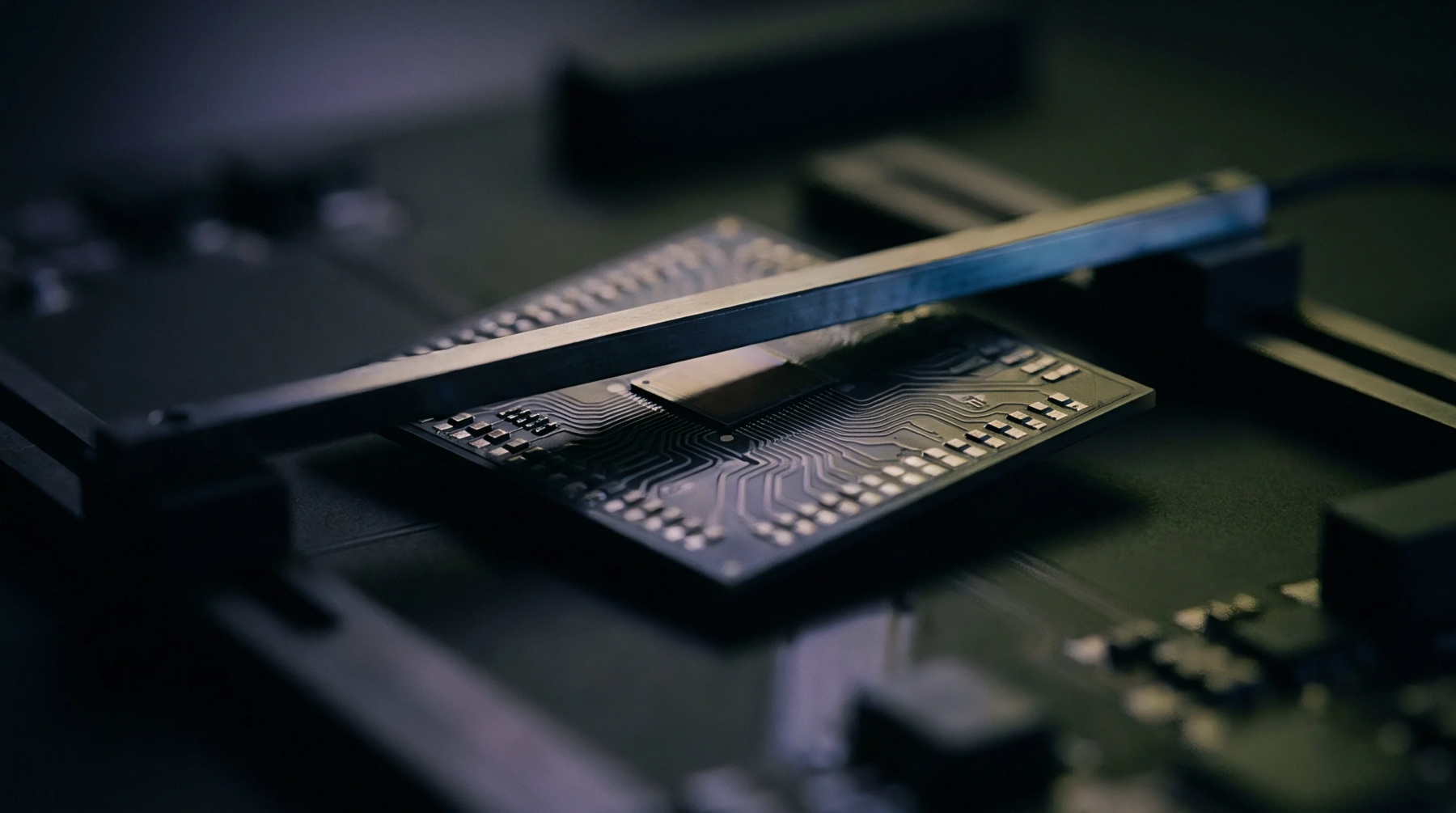
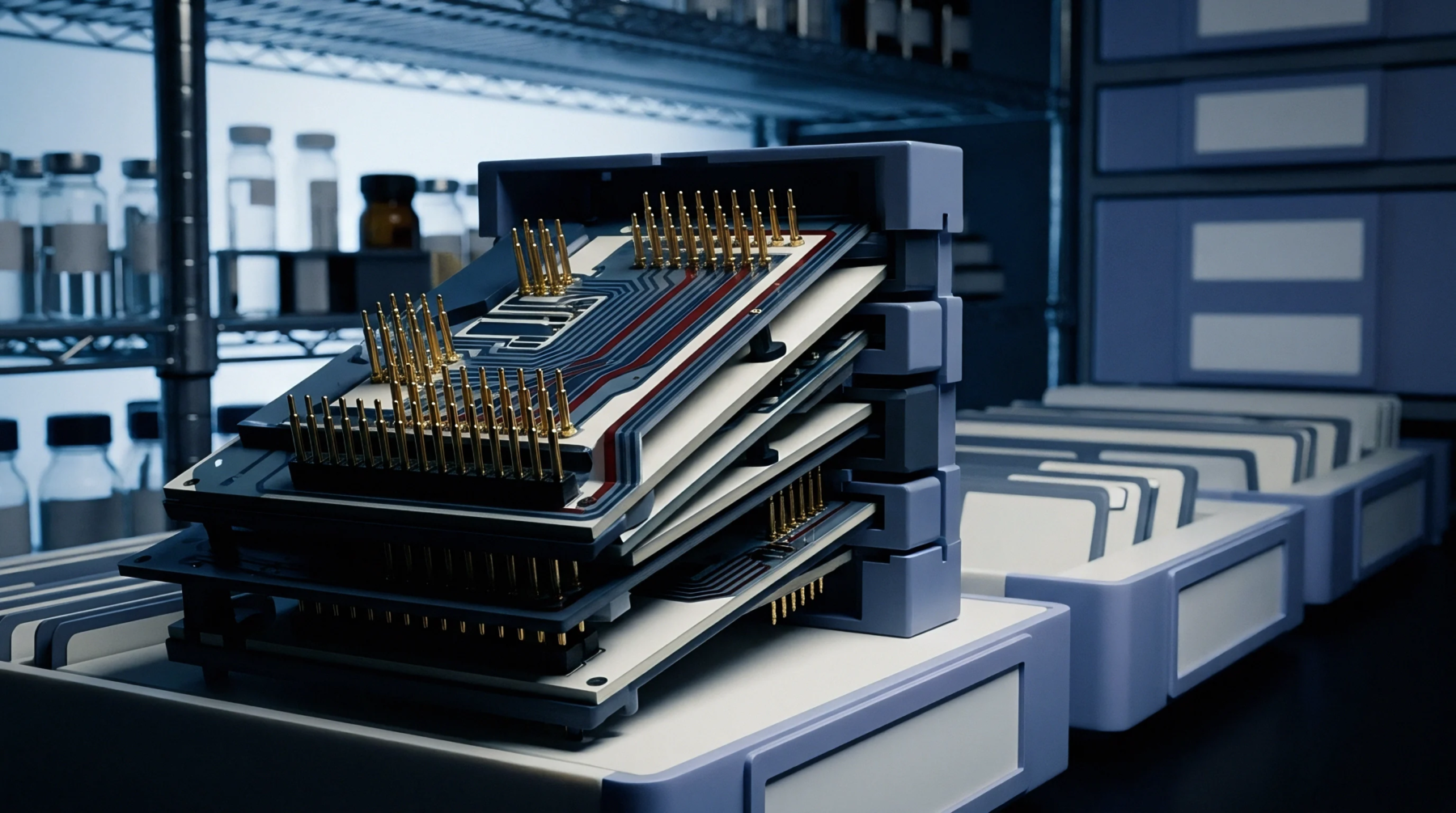
Copper weight differentials and unequal resin distribution across laminate layers generate mechanical forces during reflow soldering that drive dynamic board warpage through the entire assembly line. Stiffeners applied late in the process mitigate deflection temporarily but cannot eliminate the underlying planar instability caused by mismatched coefficients of thermal expansion. Automated optical inspection systems measure out of plane displacement along the diagonal axes of each printed circuit board as panels transit through the preheating zones.
Manufacturers establish acceptable deflection thresholds based on grid array package pitch sizes to prevent solder bridging and open circuits during surface mount placement.
Planar Relaxation
Residual mechanical stress locked inside copper foil during core lamination converts into instantaneous bending energy once high soldering temperatures soften the glass transition boundaries of the base material. Preconditioning bake cycles relieve internal moisture and moderate the severity of subsequent planar deflection by stabilizing the polymeric chains before component placement begins. Heavy copper planes act as internal thermal barriers that heat unevenly and pull adjacent dielectric layers toward the side with higher thermal mass.
Assembly facilities monitor this movement by mounting laser displacement sensors directly above conveyor tracks immediately following the final reflow zone.
Defect Containment
Component coplanaruity depends entirely on the stability of the mounting surface beneath the solder paste deposits during the brief window when joints reach liquidus temperature. Excessive bow and twist create open connections on corner pins of ball grid arrays because the pads pull away from the spherical terminations as the substrate bends upward. Process engineers adjust thermal ramp rates in convection ovens to minimize the temperature gradient between top and bottom copper layers.
Optical profiling equipment scans finished assemblies to verify that planar displacement remains within acceptable limits before boards proceed to functional testing.