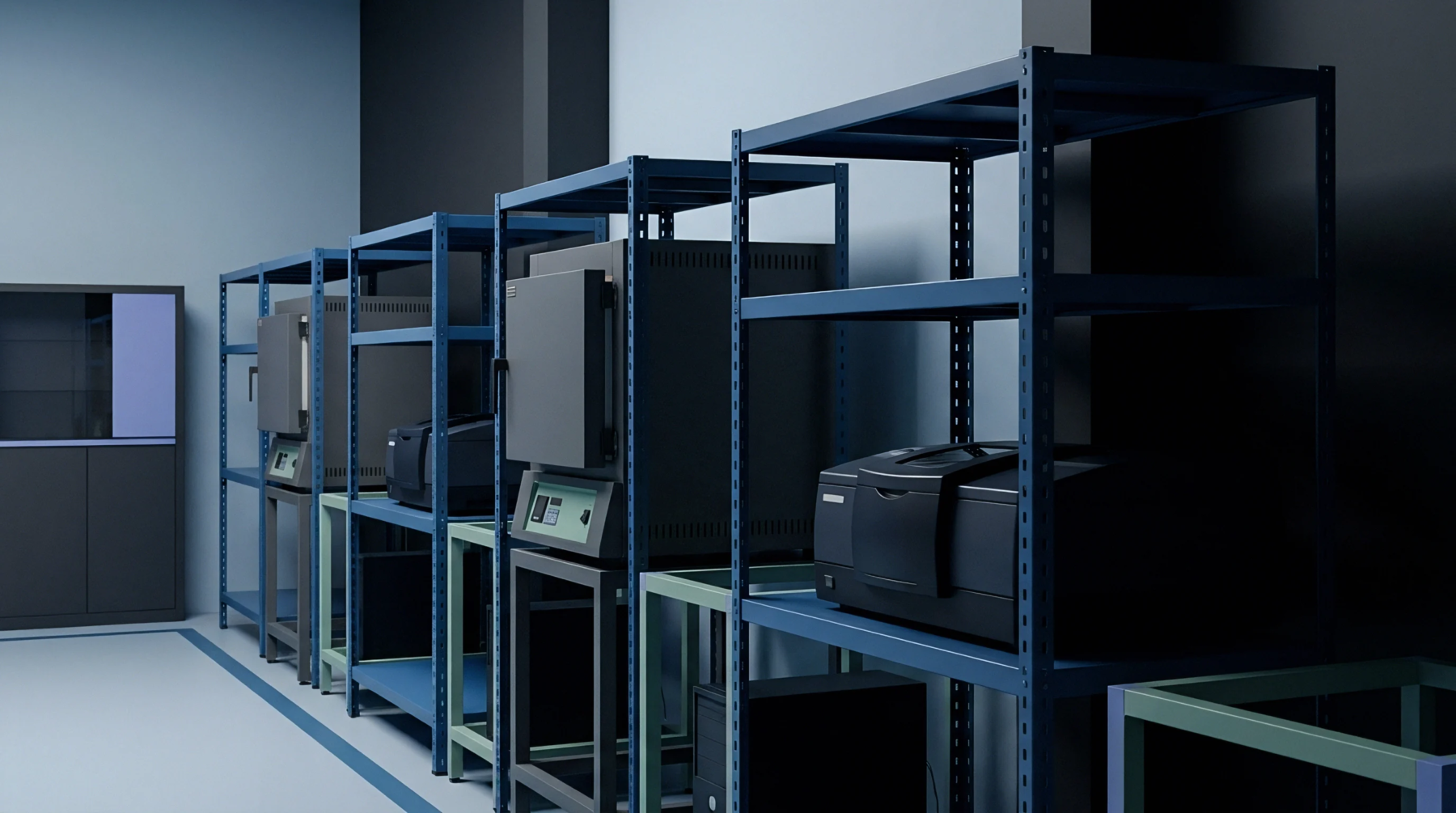
Thermal Vibration
Production environments apply dynamic environmental stress screening to precipitate latent defects within electronics during the manufacturing cycle. This procedure forces hardware to undergo simultaneous thermal cycling and mechanical vibration to expose solder joint fractures or component interface failures. Thermal expansion rates mismatch when heating and cooling occur under mechanical load, accelerating the aging of connections that possess marginal integrity.
Such hardware survives the sequence only if the workmanship meets established tolerance levels for thermal shock and structural resonance.
Acceleration Factor
Quantitative analysis determines the duration of these test cycles by mapping known failure modes against target reliability requirements. Engineers establish the intensity of vibration and the temperature ramp rates based on the predicted operating life of the final assembly. High thermal gradients ensure that brittle intermetallic layers undergo stress that stable environments fail to provoke in a short period.
Controlled acceleration avoids the risk of inducing genuine fatigue damage in otherwise healthy circuitry.
Screening Efficacy
Operational reliability increases because manufacturers discard or rework assemblies that fail before field deployment. Testing identifies systematic errors in the soldering process such as insufficient wetting or bridge defects that appear only when parts flex under thermal load. Rigorous screening reduces the rate of early failures by purging units containing manufacturing inconsistencies from the distribution chain.
Success rests upon the accurate identification of the stress levels that trigger infant mortality without damaging the remaining operational hardware.