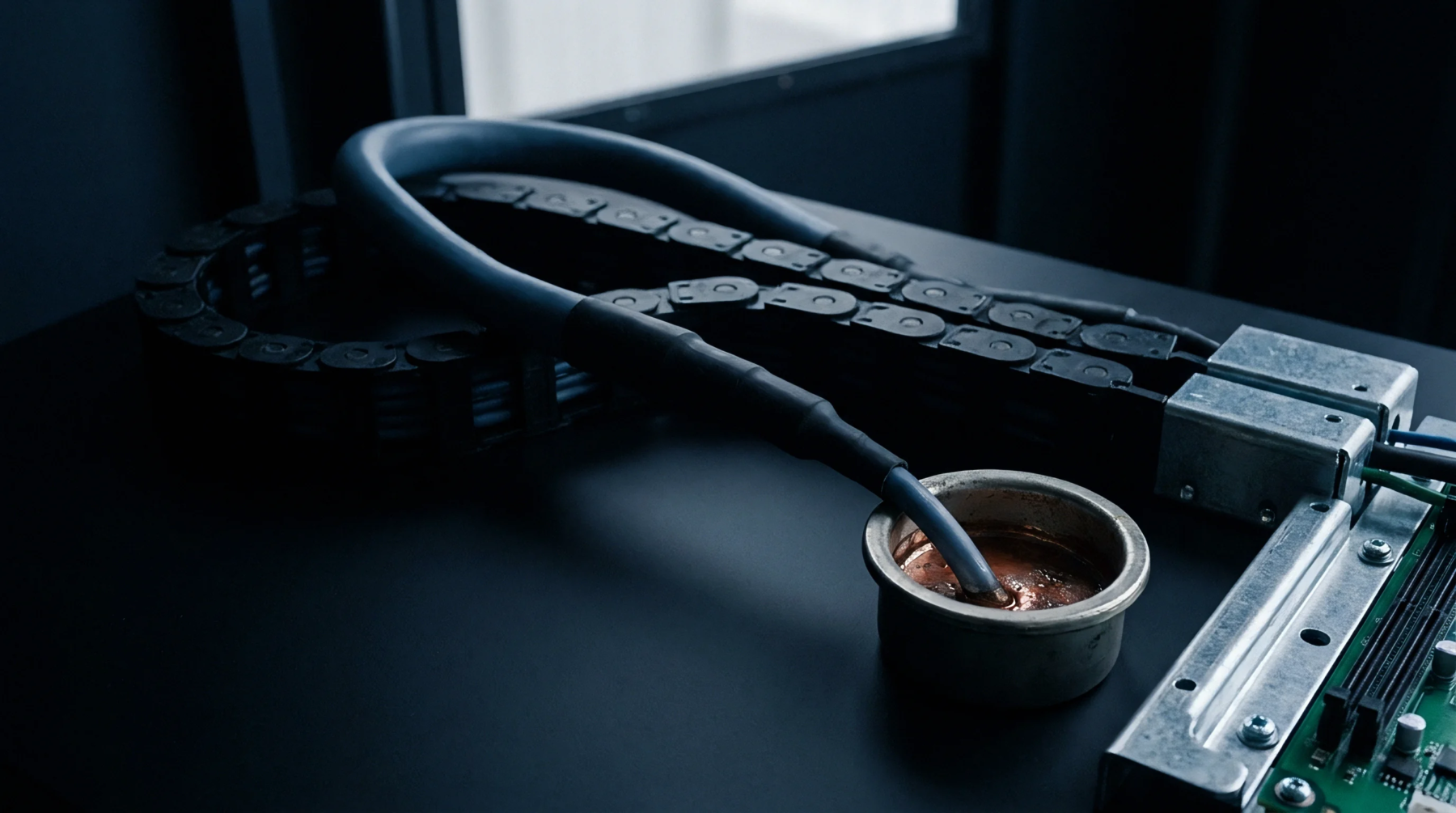
Phase Stabilization
Real-time radio-frequency vector measurement adjusts for moving phase offsets during automated vector network analyzer board testing. Automated instrumentation uses dynamic phase tracking to monitor reference line signals and cancel transmission phase shifts caused by cable flexure or moving mechanical gantries. The technique governs microwave circuit characterization across gigahertz frequency ranges, stopping where stationary rigid coaxial lines eliminate mechanical movement altogether.
Thermal Drift
Mechanical probe repositioning and ambient thermal fluctuations introduce rapid phase errors across multi-port measurement systems. When high-frequency probes scan across printed circuit boards, mechanical flexing of test cables introduces variable dielectric compression and electrical path length variations. Through dynamic phase tracking, digital signal processors continually compare coupled reference signals against baseline calibration standards, applying phase compensation algorithms at microsecond intervals.
Uncompensated phase errors distort vector s-parameter magnitudes and shift imaginary impedance values away from actual assembly characteristics. Automated phase correction preserves vector calibration integrity across hours of continuous board testing, ensuring that phase-sensitive planar antenna arrays and beamforming networks meet strict RF fabrication specifications.
Fixture Calibration
Test fixtures incorporate auxiliary directional couplers and dedicated receiver channels to feed tracking algorithms during production runs. Engineers establish baseline reference vectors during automated calibration routines before running production assemblies. Processing hardware subtracts wandering electrical delay values from measurement sweeps without requiring manual operator intervention or fixture halting.
Reliable high-frequency yield verification depends directly on maintaining phase stability across high-volume contract manufacturing cycles.