Magnetic Attenuation
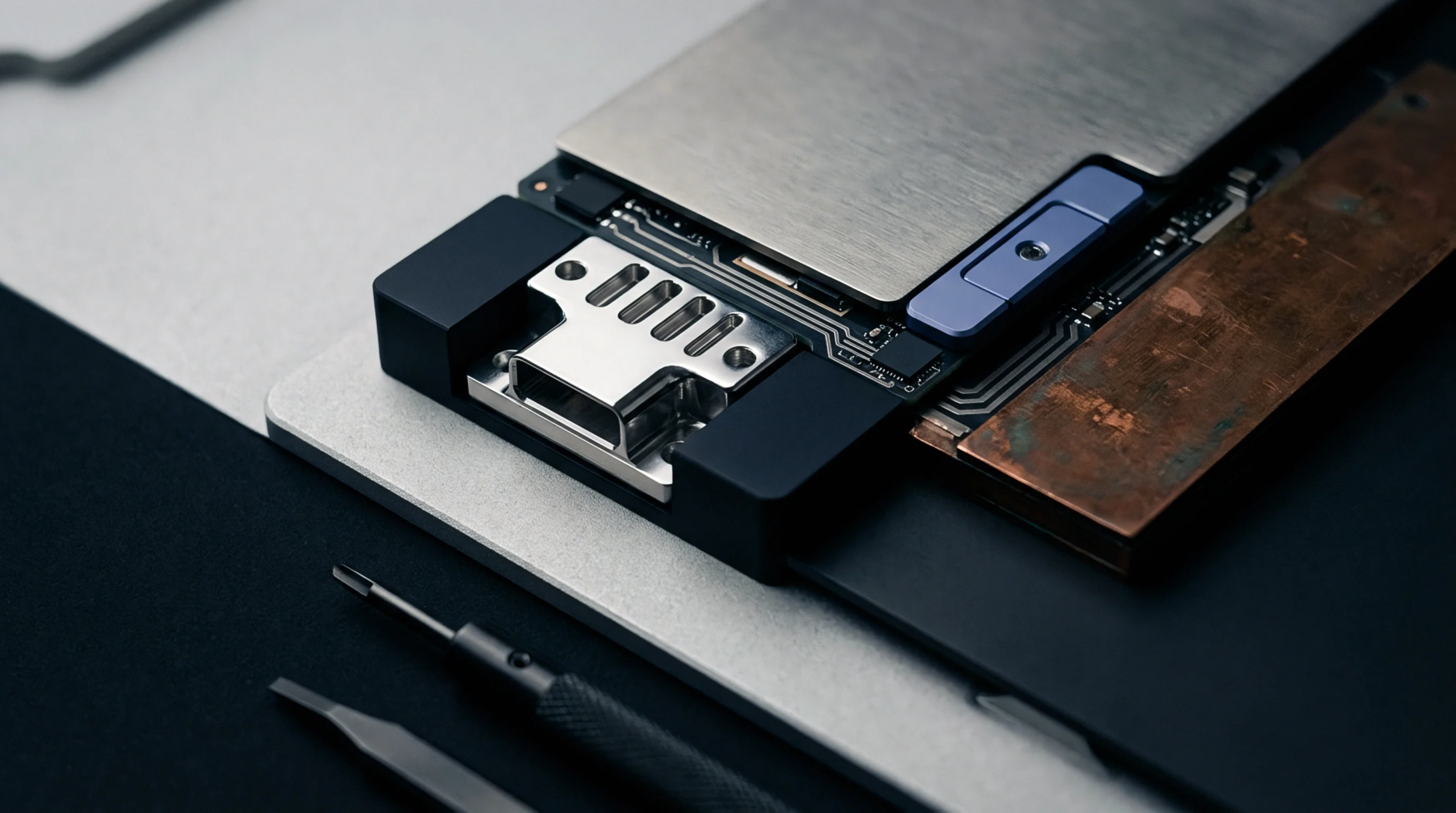
Electromagnetic isolation in high-frequency circuit boards employs conductive barrier planes to block unwanted magnetic fields. This barrier effect arises from eddy current shielding, which exploits the induced currents generated within a conductor by a time-varying magnetic field. Opposing magnetic fields produced by these induced currents cancel out the incident field, protecting adjacent sensitive traces from crosstalk.
Material Selection
High conductivity metals like copper or aluminum provide the necessary low-resistance paths for the induced currents. The performance of eddy current shielding depends on the skin depth of the material and the frequency of the noise signal. Thinner foils suffice at gigahertz frequencies, while lower frequencies require thicker copper layers or high-permeability alloys to maintain the same level of attenuation.
Performance Limits
Physical apertures such as slots, vias, or sensor openings can degrade the overall path of the circulating currents. When these interruptions alter the current path, the shielding effectiveness decreases, allowing the magnetic field to penetrate the protected zone. Inspection of the shield integrity usually relies on electromagnetic probes that measure the leakage of radiation through the barrier.
Designing continuous, uninterrupted ground planes remains the standard method for securing high-frequency performance in multi-layer board layouts, as even minor cuts can cause localized field leakage.