Liquid Metal Delivery
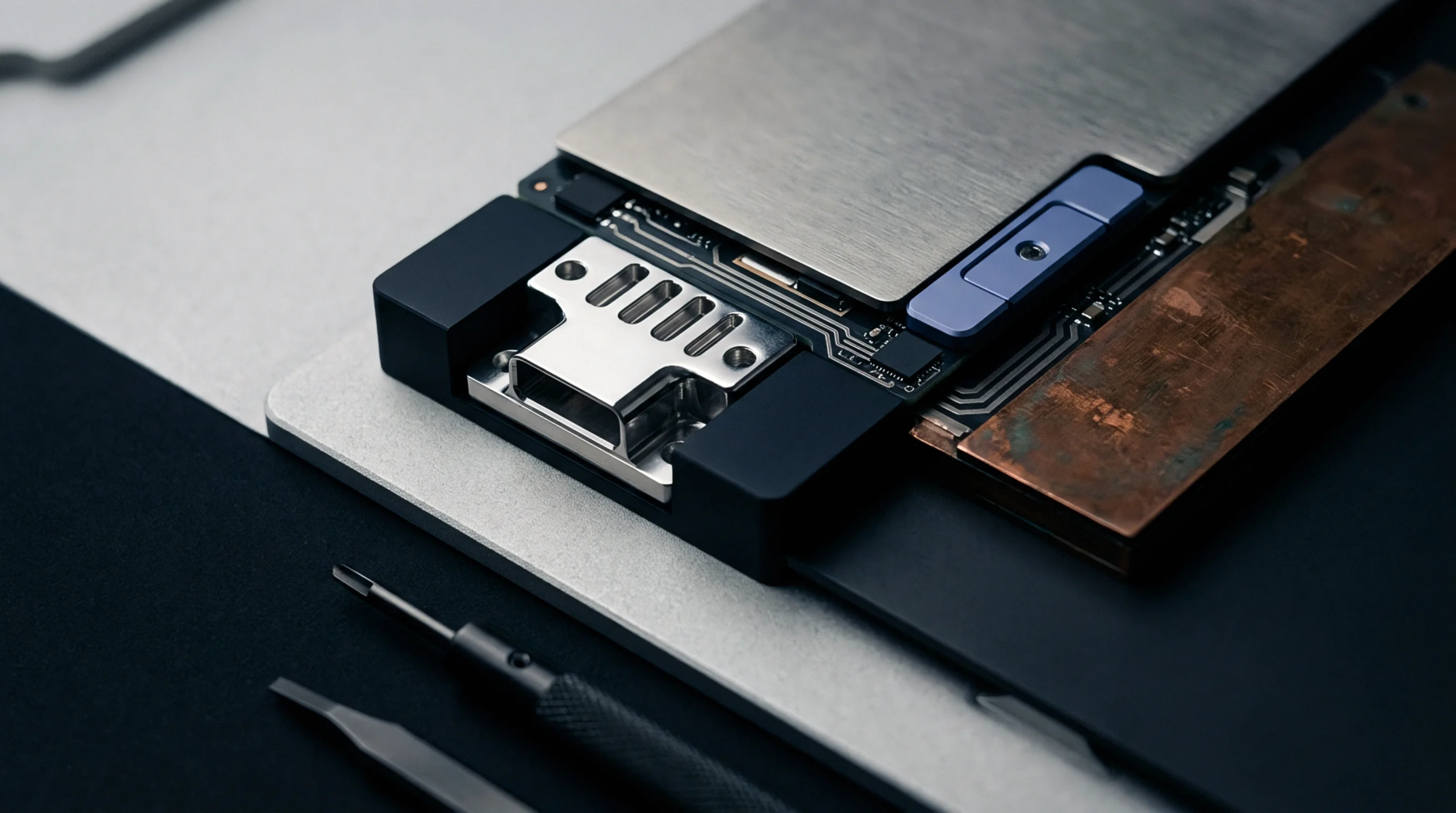
A motive device designed for the non-mechanical displacement of molten alloys employs magnetic fields to generate Lorentz force directly within the conductive fluid. An electromagnetic pump utilizes a static magnetic field combined with a perpendicular electric current to exert force on the molten charge. This technology avoids moving parts that otherwise fail when exposed to high temperatures or corrosive solder environments.
Molten metal flows through a channel where the interaction of current and field drives the liquid toward the dispensing nozzle. Precision dosing of solder in wave soldering or selective soldering machines relies on these units to maintain constant hydrostatic pressure. Flow stability depends entirely on the alignment of the magnets and the consistency of the electrical input across the channel width.
Deviations in current supply create turbulent flow patterns that lead to uneven solder deposition on the board surfaces. Manufacturers calibrate the output to ensure the volume of liquid deposited matches the specific footprint requirements of the component leads. Proper operation requires monitoring of the temperature to prevent solidification within the nozzle, which terminates the flow path and halts the assembly line.
Operational Duty Cycle
Voltage regulation across the electrodes dictates the velocity of the metal stream. Variations in the amplitude of the applied potential result in proportional changes to the discharge rate. High frequency pulses facilitate the clearing of oxides from the exit point, maintaining the clarity of the flow.
Heat dissipation during continuous operation prevents the degradation of the insulation materials surrounding the magnet coils. Periodic inspection of the magnetic flux density verifies that the field remains concentrated within the channel walls. Mechanical vibration of the assembly affects the accuracy of the stream position during the solder wave application.
Thermal Load Constraints
Thermal gradients between the molten alloy and the induction components limit the maximum duration of the duty cycle. Conductivity of the solder material dictates the magnitude of the current required to initiate motion. Excess heat transfer to the structural casing necessitates external cooling systems to prevent loss of magnetic properties.
The device requires specific maintenance intervals to ensure long-term reliability in production environments.