Component Availability
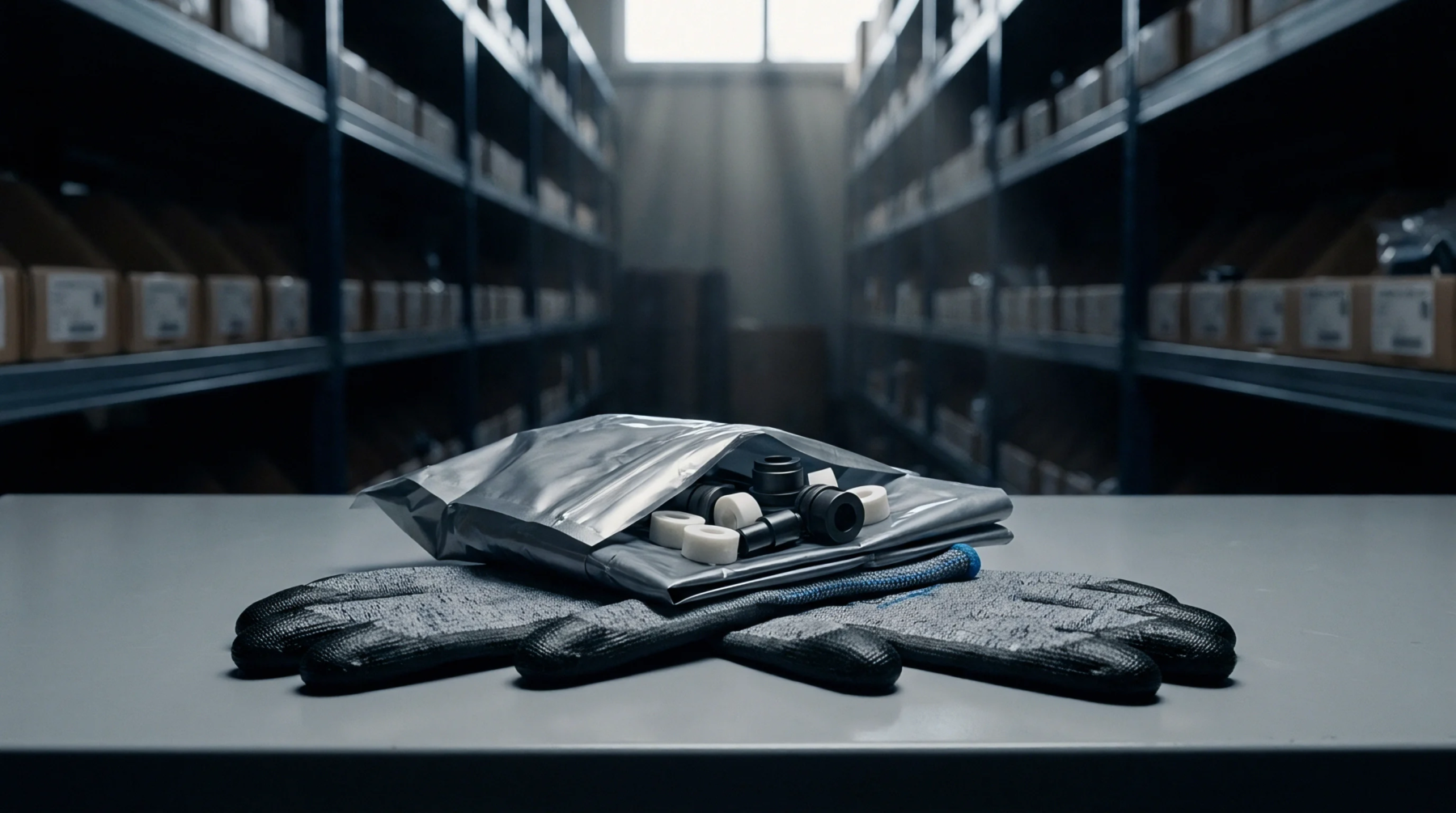
Part depletion during surface mount technology assembly occurs when the physical inventory of a specific electronic component exhausted on the production line prevents the pick and place machine from completing its designated placement sequence. Feeder attrition represents the loss of continuous manufacturing throughput caused by an empty supply reel or a failed component delivery station. Maintenance of high utilization rates depends upon the prompt replenishment of these supply units to avoid idle machine time.
Production Continuity
Automated placement systems rely on a steady flow of reels to maintain cycle times within established operational limits. Feeder attrition stops the assembly process until a technician replaces the depleted component housing or resolves a mechanical jam. Efficient floor management mitigates this interruption by scheduling reloads in synchronization with the predicted depletion rate of active feeders.
Predictive systems calculate the remaining part count based on the number of placement cycles performed and trigger a notification when the count reaches a pre-set threshold. Precise coordination between the material handling group and the line operator ensures that replacement reels arrive before the active feeder runs empty.
Machine Integrity
Technical failure of the physical tape guidance or the internal motorized advancement mechanism often contributes to material loss or machine stoppage even when the reel holds sufficient parts. Sensors detect a lack of tension or incorrect part pitch, which causes the system to cease operation to prevent placement errors on the board surface. Effective preventive care of these mechanical units reduces the frequency of unexpected stops and increases the overall reliability of the assembly line.
Proper calibration of the feeder interface ensures that the part delivery matches the speed of the placement head during rapid assembly operations. Stable mechanical performance provides the best defense against hardware-induced output degradation.