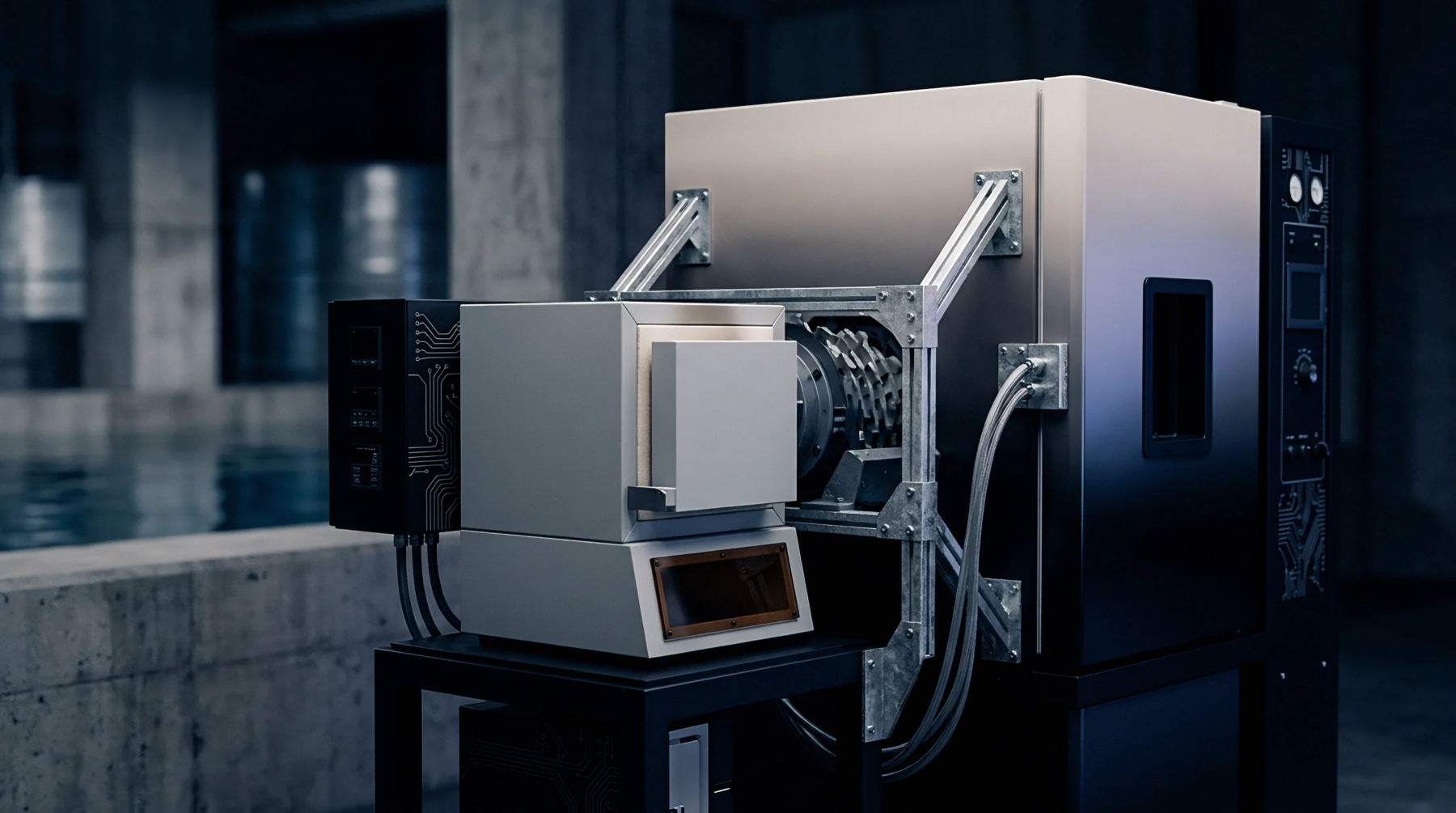
Chemical Decapsulation
Concentrated chemical reagents strip polymer encapsulants from integrated circuit packages during failure analysis procedures. High-concentration formulations of fuming nitric acid dissolve mold compound resin matrices while preserving internal semiconductor die topographies and gold interconnects. Heated chemical exposure breaks down cured epoxy novolac resins within minutes in automated decapsulation equipment.
Metallurgical Resistance
Nitric acid concentrations above ninety percent passivate aluminum bond pads while rapidly oxidizing organic resins. Automated decapsulation tools jet fuming nitric acid onto package surfaces at temperatures between seventy and ninety degrees Celsius to prevent moisture absorption. Exposure to diluted acid or ambient humidity forms corrosive oxides that attack copper leadframes and aluminum metallization lines on the silicon die.
Gold bond wires remain unreacted during pure acid exposure, enabling intact recovery of internal micro-wires for microscopic inspection. Silver and copper wire bonds react vigorously with nitric acid, requiring anhydrous fuming sulfuric acid mixtures or laser ablation alternatives. Automated volumetric delivery systems control exposure duration, preventing chemical bleed along package pins during decapsulation runs.
Waste streams demand specialized fluoropolymer containment to handle aggressive acid fumes safely without equipment corrosion.
Failure Isolation
Exposed die surfaces undergo scanning electron microscopy to locate physical gate oxide breakdowns or mechanical stress cracks. Intact wire bonds permit subsequent micro-probing of die test pads without mechanical disruption. Complete resin removal allows verification of chip scale packaging defects without altering chemical passivation layers.