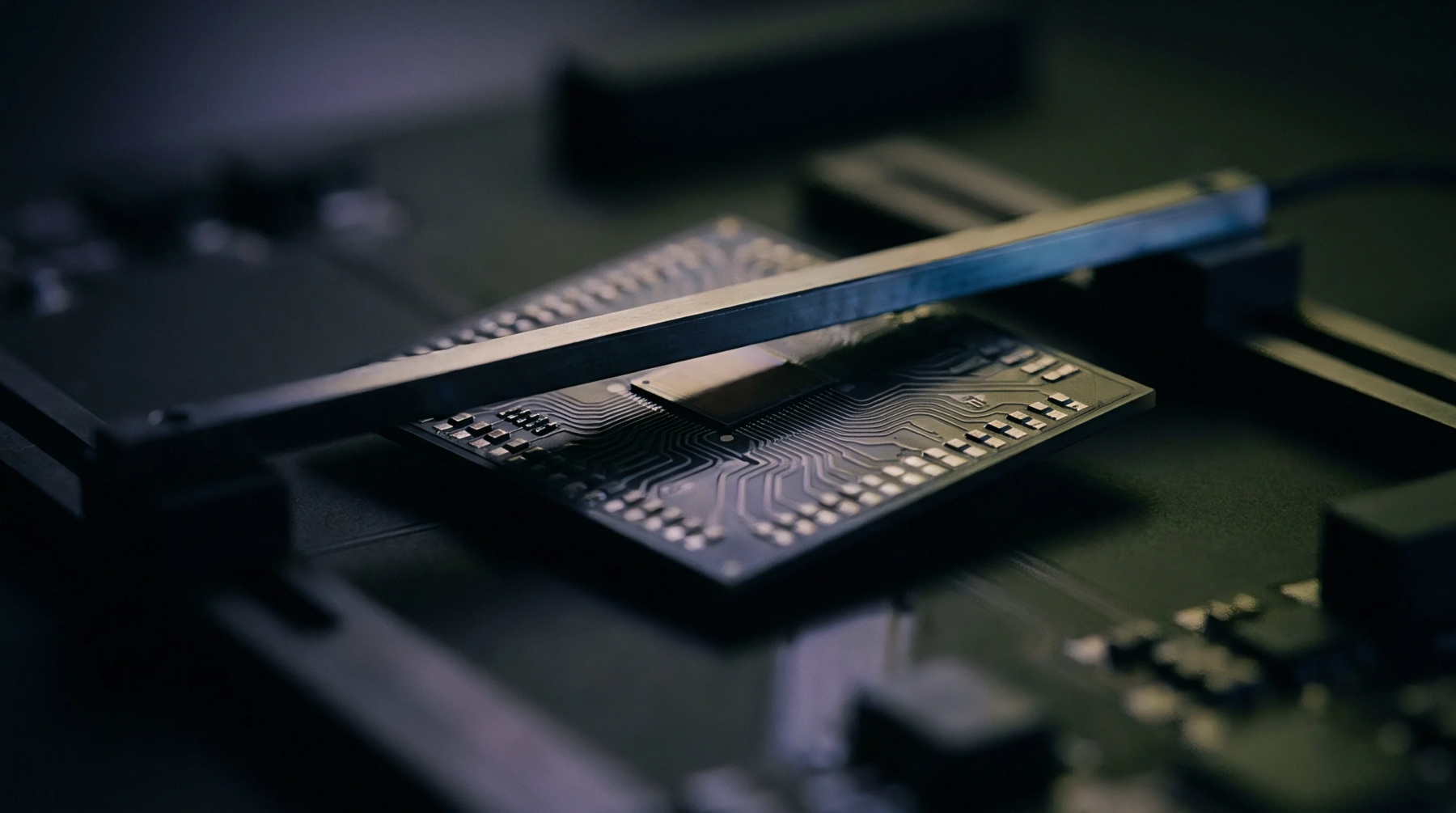
Multi Nozzle Action
Simulating simultaneous component retrieval by multiple nozzles on a single pick-and-place head maximizes assembly efficiency. Achieving gang picking synchronization depends on matching feeder pitches with the distances between head nozzles. When this alignment is correct, the placement head retrieves up to twelve parts in a single downward stroke.
This technique minimizes travel time between feeder banks and the board.
Feeder Alignment
Mechanical alignment of feeders and component tapes determines the success rate of multi-part retrieval. Without proper gang picking synchronization, some nozzles may fail to secure components due to minor tape offsets. These missed picks cause the head to retry or halt, which increases assembly cycle times.
Regular machine calibration helps to maintain correct feeder positioning.
Assembly Throughput
Path planning algorithms determine the sequence of component pick-ups to minimize the travel time of the assembly head. If gang picking synchronization is not achieved, the pick-and-place head must execute separate pick moves for each nozzle. The software must analyze the coordinates of the feeder slots and the heights of the parts to avoid mechanical collisions.
Larger components cannot be picked simultaneously due to physical clearance limits on the placement head. Correct configuration of the feeder table ensures that small resistors are grouped for multi-nozzle retrieval, reducing the cycle time of complex circuit boards.