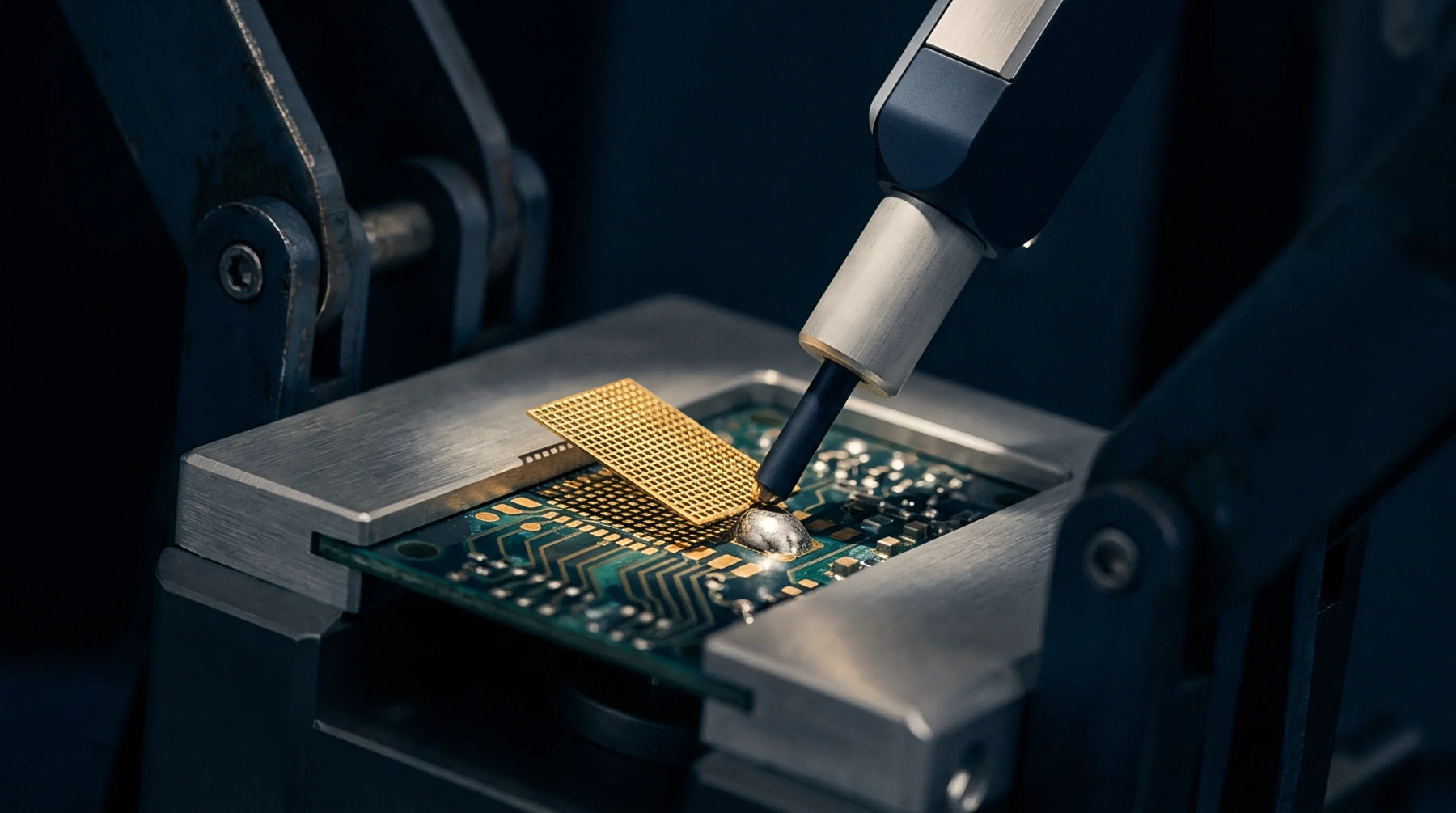
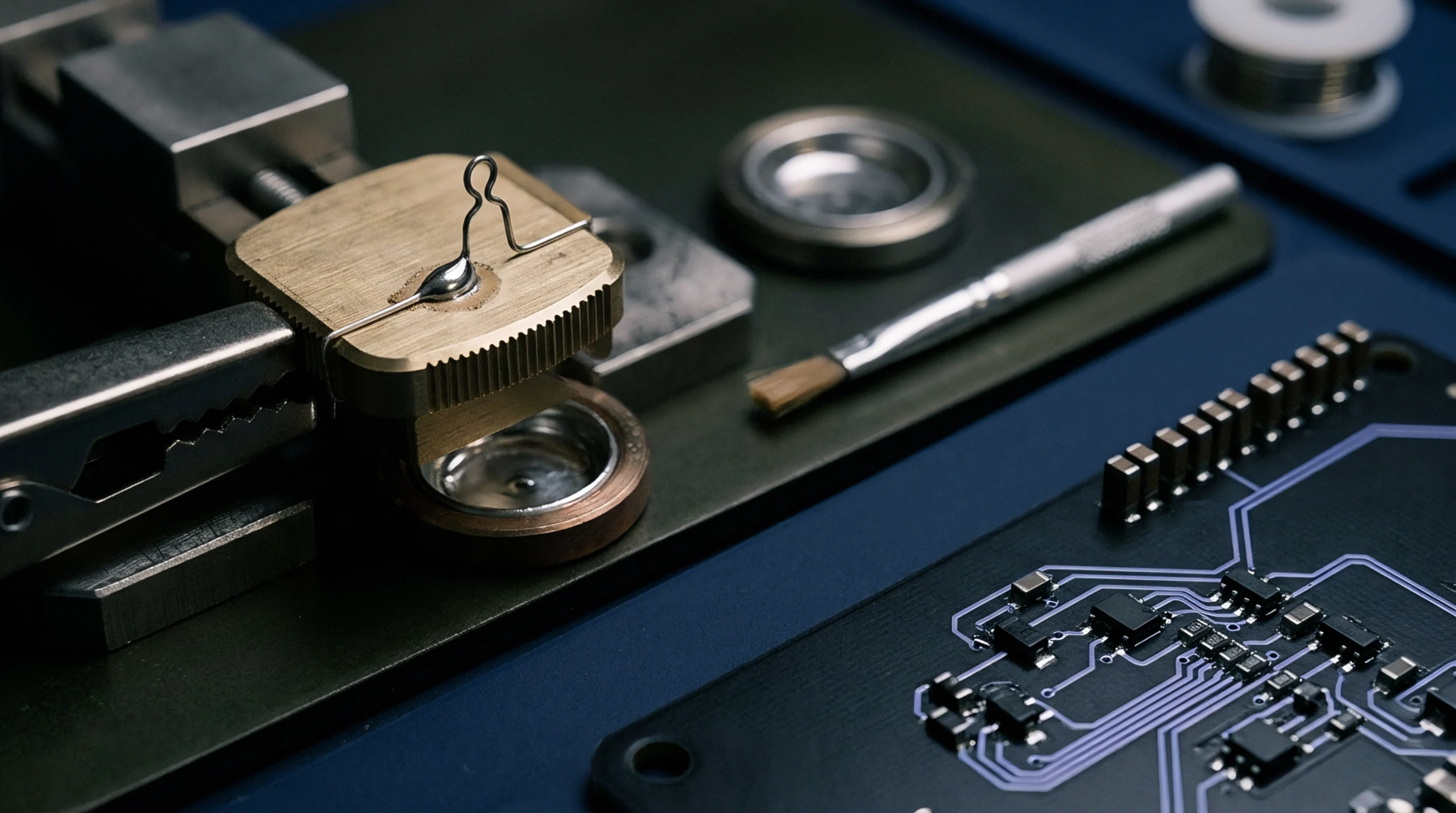
Thermal Solidification
Chemical transition analysis defines the state where an uncured liquid resin transforms into a crosslinked polymer network within a printed circuit board assembly. Gelation kinetics tracks the progression of this molecular architecture through temperature and time measurements. Precise control over these chemical milestones prevents entrapment of volatile species and ensures the integrity of the dielectric layers.
Proper regulation of the hardening cycle ensures that internal stresses remain within acceptable limits for the substrate material.
Polymerization Timing
Viscosity sensors provide the necessary data to determine when the reactive mass reaches the gel point. Reaction rates respond to thermal energy applied during the lamination stage of multilayer fabrication. Monitoring these shifts allows operators to adjust dwell times before the material locks into a permanent structural arrangement.
Inconsistent heat distribution across a panel leads to localized variations in the hardening curve. High precision in the temperature ramp minimizes the chance of void formation inside the resin matrix.
Hardening Boundary
Structural stability relies on the completion of this transition before the subsequent thermal processing steps occur. Complete crosslinking prevents the softening or degradation of the insulation during later soldering operations. Incomplete conversion leads to poor adhesion between metallic layers and the underlying substrate surface.
Stable gelation kinetics provides the foundation for consistent dimensional accuracy across large panel areas.