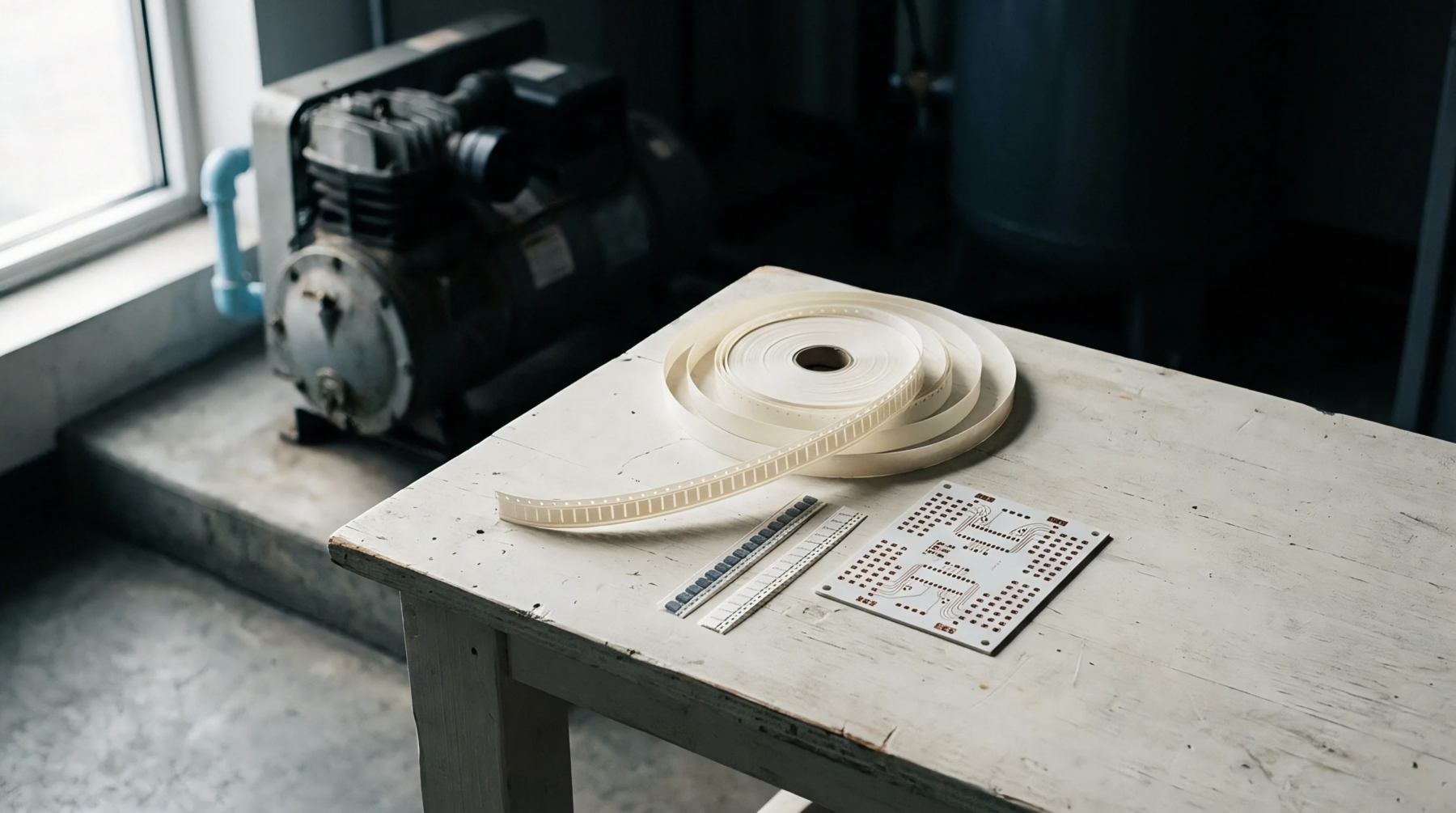
Coating Technology
Protective metallic finishes prevent copper oxidation on printed circuit boards before the assembly phase begins. Applying a hasl surface involves dipping the fabricated board into molten solder and using high-velocity hot air knives to remove the excess material. This process creates a reliable solderable layer that withstands multiple thermal cycles during subsequent assembly stages.
Soldering Performance
Wetting behavior determines the quality of the resulting solder joints during surface mount component attachment. A hasl surface provides excellent shelf life and solid solderability, because the alloy used is compatible with the standard lead-free or leaded solder pastes. However, the thickness of the finish varies across the board, with thicker mounds of solder accumulating on larger copper pads.
Surface Coplanarity
Thickness variations across the board pads present difficulties for fine-pitch surface mount devices and ball grid arrays. Using a hasl surface can result in unleveled pads that cause components to tilt or bridge during the reflow process. Assemblers often select alternative flat finishes like organic solderability preservatives or electroless nickel immersion gold when boards require high density component placement.
When a board requires very narrow pitch apertures on the solder paste stencil, the domed profile of the hasl surface can also cause the stencil to leak paste during the printing cycle.