Impedance Verification
Dielectric material characteristics across GHz frequencies determine signal integrity within printed circuit board manufacturing. High frequency coupon testing validates that copper trace width and laminate permittivity match the designed electrical performance parameters prior to full scale component population. These test structures reside on the periphery of the production panel to avoid damaging the functional circuit area during measurement.
Vector network analyzers inject signals into these traces to quantify insertion loss and return loss against established baseline requirements.
Measurement Mechanism
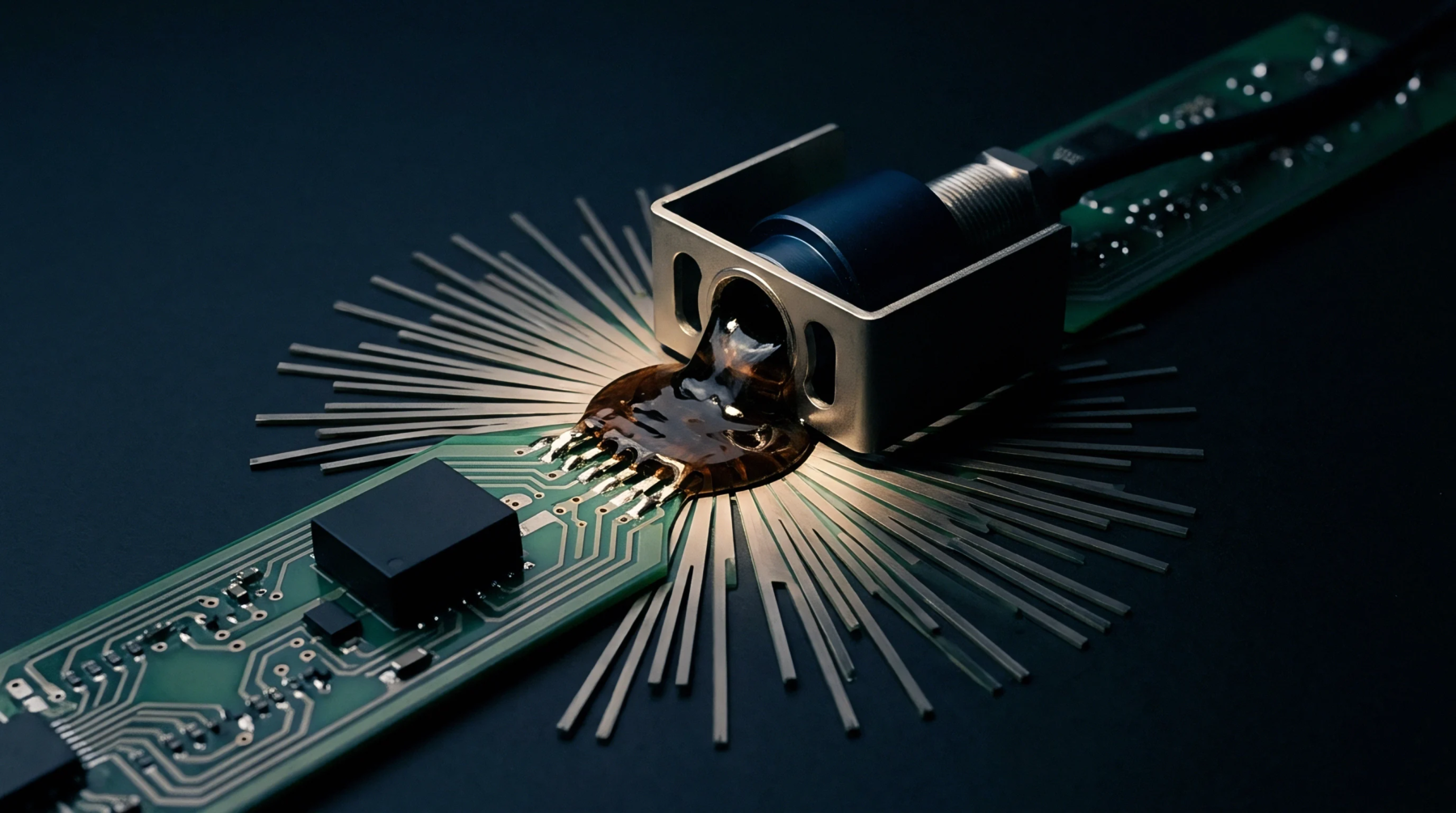
Probes connect to the designated test pads located at either end of the sacrificial trace pattern to sweep the required bandwidth. Precise calibration ensures that the measurement system isolates the coupon performance from environmental noise or parasitic inductance created by the contact pins. Operators record the phase angle and amplitude shift at specific interval frequencies to verify the dielectric constant stability across the substrate.
Deviations beyond specified tolerances signal a breakdown in the material consistency or a drift in the etching process that necessitates a production line halt for immediate adjustment.
Performance Governance
Acceptance relies upon the delta between predicted simulation models and the empirical data harvested from these dedicated coupons. Rigid adherence to copper thickness and dielectric thickness targets limits signal dispersion during rapid switching operations in high speed digital circuits. Verification provides the only reliable data to confirm that the board fabricator achieved the narrow tolerances required for high speed data transmission.
Reliable fabrication output hinges on the fidelity of these test structures as predictors of board functionality.