Signal Filtering
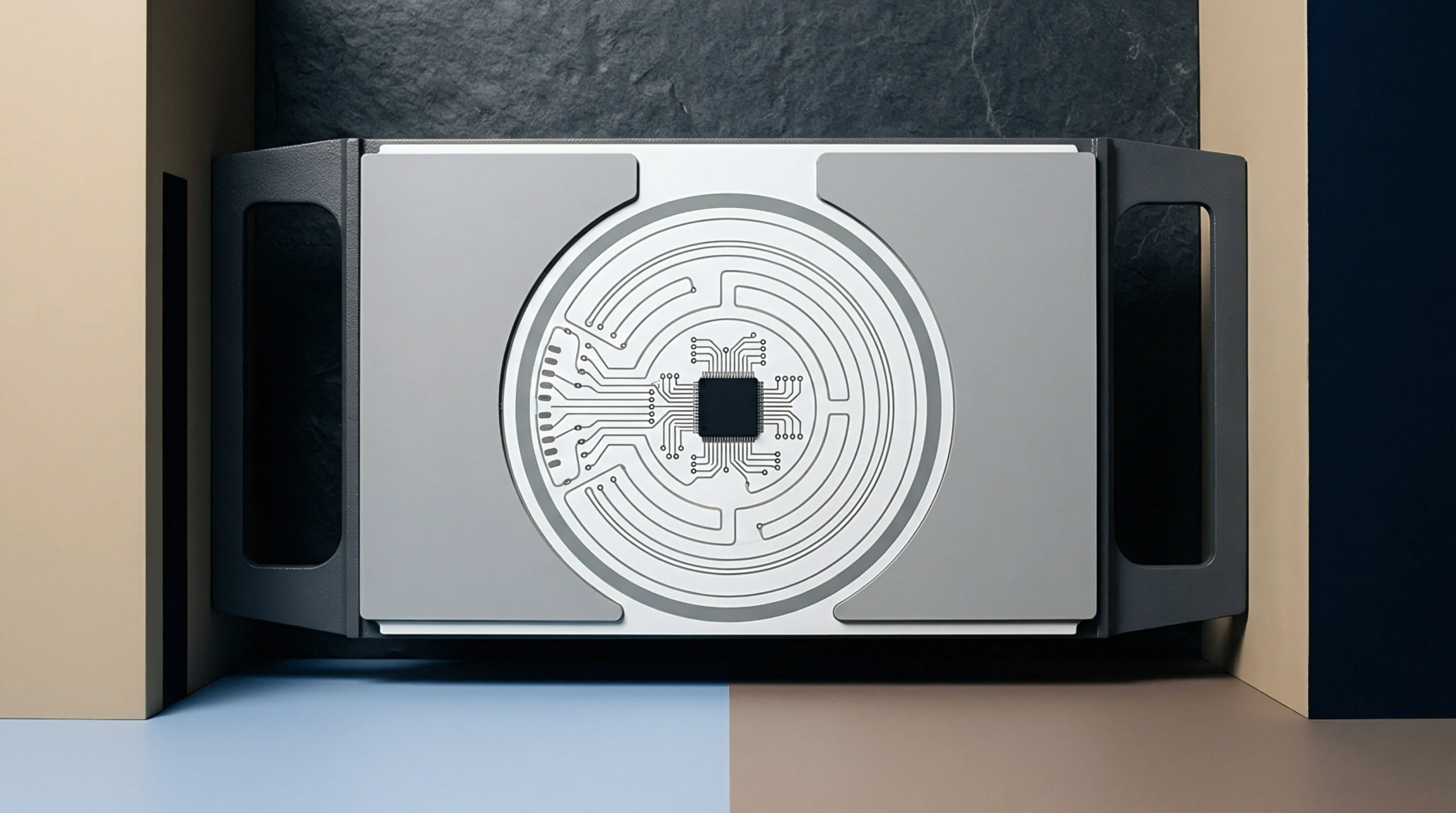
Radio frequency validation acts as a diagnostic procedure that isolates unwanted electromagnetic interference from electronic circuitry during active transmission. High frequency screening identifies signal degradation by monitoring energy leakage across specific shielding boundaries. This technique employs metal enclosures or conductive gaskets to attenuate radiative emissions that disrupt data integrity within high-speed interfaces.
Its application ensures compliance with electromagnetic compatibility requirements by forcing internal waveforms to remain confined within designated physical limits.
Measurement Protocol
Performance validation verifies the shielding effectiveness of a chassis through precise attenuation testing. High frequency screening quantifies the decibel reduction achieved by a barrier when it encounters oscillating electromagnetic fields across gigahertz ranges. Technicians inject a controlled signal into a test chamber to measure the difference between incident power and transmitted output across the interface.
This measurement confirms the capability of a barrier to block transient noise while maintaining the intended transmission path of the circuit.
Design Consequence
Thermal dissipation trade-offs often dictate the physical density of the shielding aperture during board fabrication. High frequency screening imposes a physical constraint on the layout of ventilation slots because excessive surface area increases the risk of radiative leakage. Engineers minimize the dimensions of these openings to match the wavelength of the highest frequency clock cycles present on the board.
Tight control over aperture geometry prevents the enclosure from behaving as an antenna that broadcasts unintended noise into the external environment.