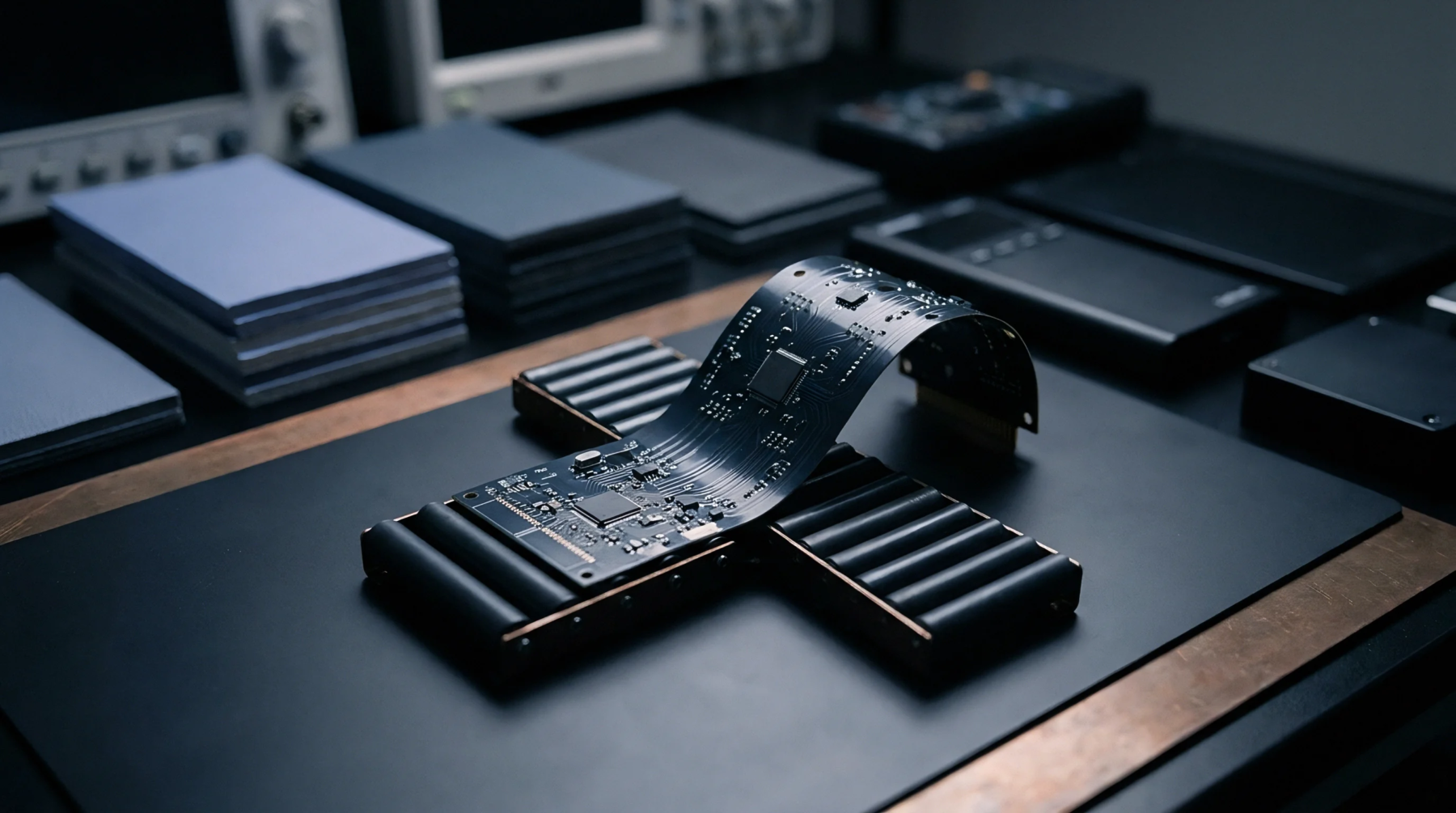
Measurement Instrument
Electronic instrumentation capable of capturing electrical potential at kilohertz sampling rates detects rapid fluctuations in circuit performance. A high-speed voltmeter provides the temporal resolution necessary to observe transient events in a printed circuit board. These devices are used in environments where traditional digital multimeters lack the bandwidth to see intermittent opens.
Temporal Accuracy
Data acquisition occurs through specialized analog to digital converters that minimize latency between samples. Integrating a high-speed voltmeter into the test bench allows for the detection of fractures that occur during reflow. In a fabrication environment, this allows for the continuous monitoring of a net during thermal shock testing.
The instrument records thousands of points per second to ensure that any momentary break in continuity is logged. Rapid sampling is the primary difference between this tool and standard laboratory equipment. High-speed recording ensures the physics of the fracture are captured accurately.
Detection Capability
Reliability engineers use the device to identify cracks in plated through holes or microvias. Such high-speed voltmeter recordings provide a defensible record of continuity for sensitive medical electronics. Small changes in voltage indicate a physical separation of the copper barrel or the pad interface.
This level of precision is required for high reliability aerospace and medical hardware where latent failures are unacceptable. Logging of a single peak above the threshold triggers a rejection of the entire panel. Recordings verify circuit continuity.