Thermal Protocol
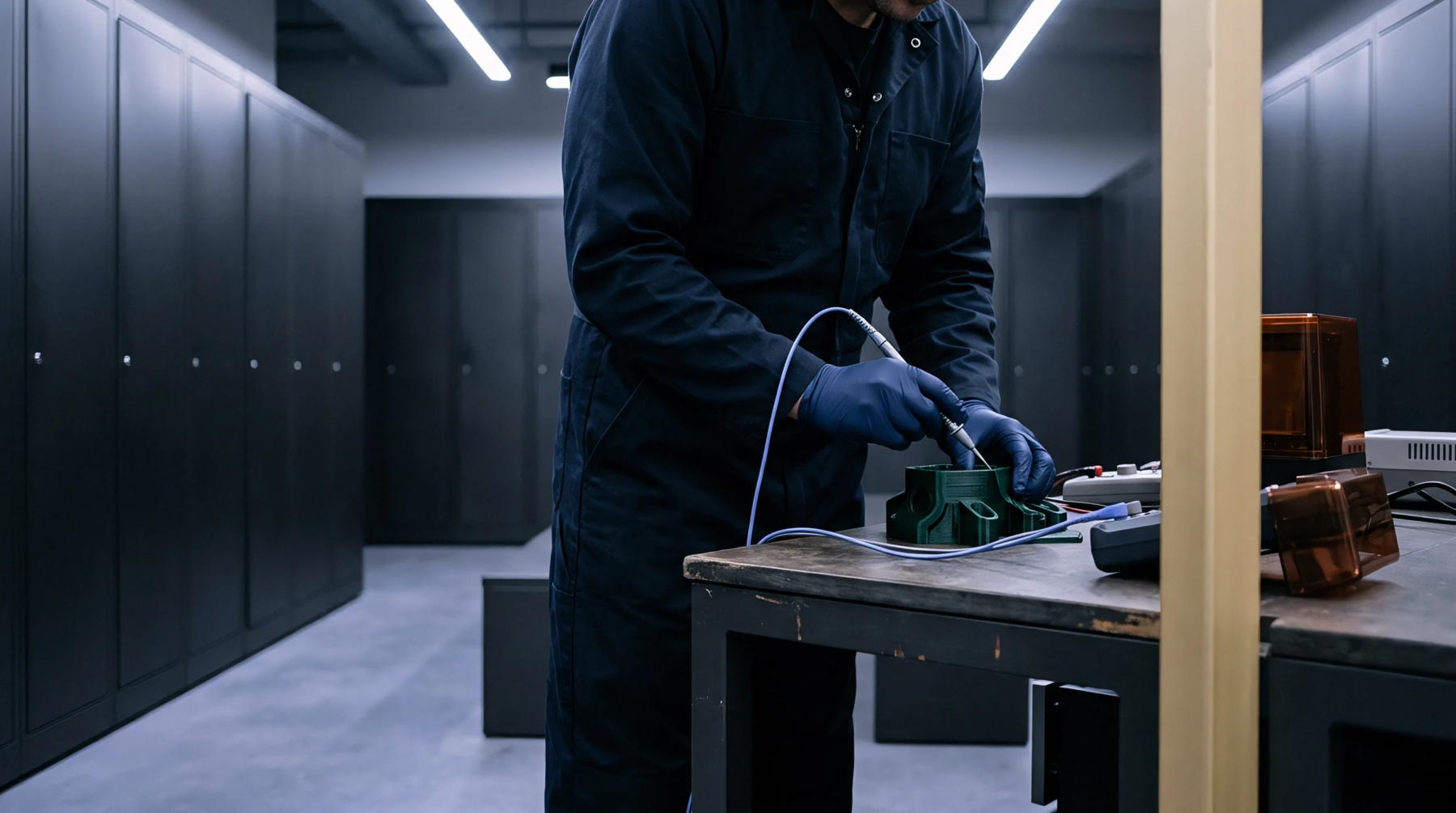
Board fabrication produces bare circuit cards while downstream assembly mounts active components upon those copper traces through automated surface mount technology and selective wave soldering operations. Thermal stress audits evaluate electronic hardware reliability by exposing populated printed circuit boards to rapid temperature cycling profiles that induce mechanical fatigue across solder joints and package interfaces. Extreme thermal gradients generate differential expansion rates between silicon dies, organic substrates and copper planes, forcing shear stresses onto intermetallic connections.
Testing personnel subject production samples to predetermined temperature transition rates within environmental chambers, monitoring electrical continuity continuously to detect microcracks before final coating and enclosure steps.
Defect Horizon
Component detachment occurs when cyclic thermal loads exceed the elastic deformation limits of tin lead or lead free solder alloys during active screening. Solder joint fatigue initiates microscopic slip bands that propagate into macrocracks, interrupting electrical signals across ball grid array packages and surface mount resistors. Coefficient of thermal expansion mismatches between ceramic chip carriers and FR4 circuit boards accelerate this degradation mechanism, leading to intermittent open circuits during operational use.
Manufacturing engineers verify assembly robustness by quantifying cycles to failure, separating acceptable process windows from vulnerable component placements that require reflow profile adjustments or underfill reinforcement.
Margin Boundary
Verification limits establish acceptable operational boundaries by correlating chamber acceleration factors with field service life expectations under normal operating conditions. High temperature exposure durations must remain below thresholds that trigger intermetallic compound excessive growth or laminate delamination within the multilayer substrate. Finished electronic assemblies achieve compliance certification only when thermal test parameters match the specific service classification of the end product, ranging from consumer electronics to high reliability aerospace hardware.
Accelerated stress evaluation protocols define manufacturing reliability baselines without altering underlying assembly processes or component material selections.