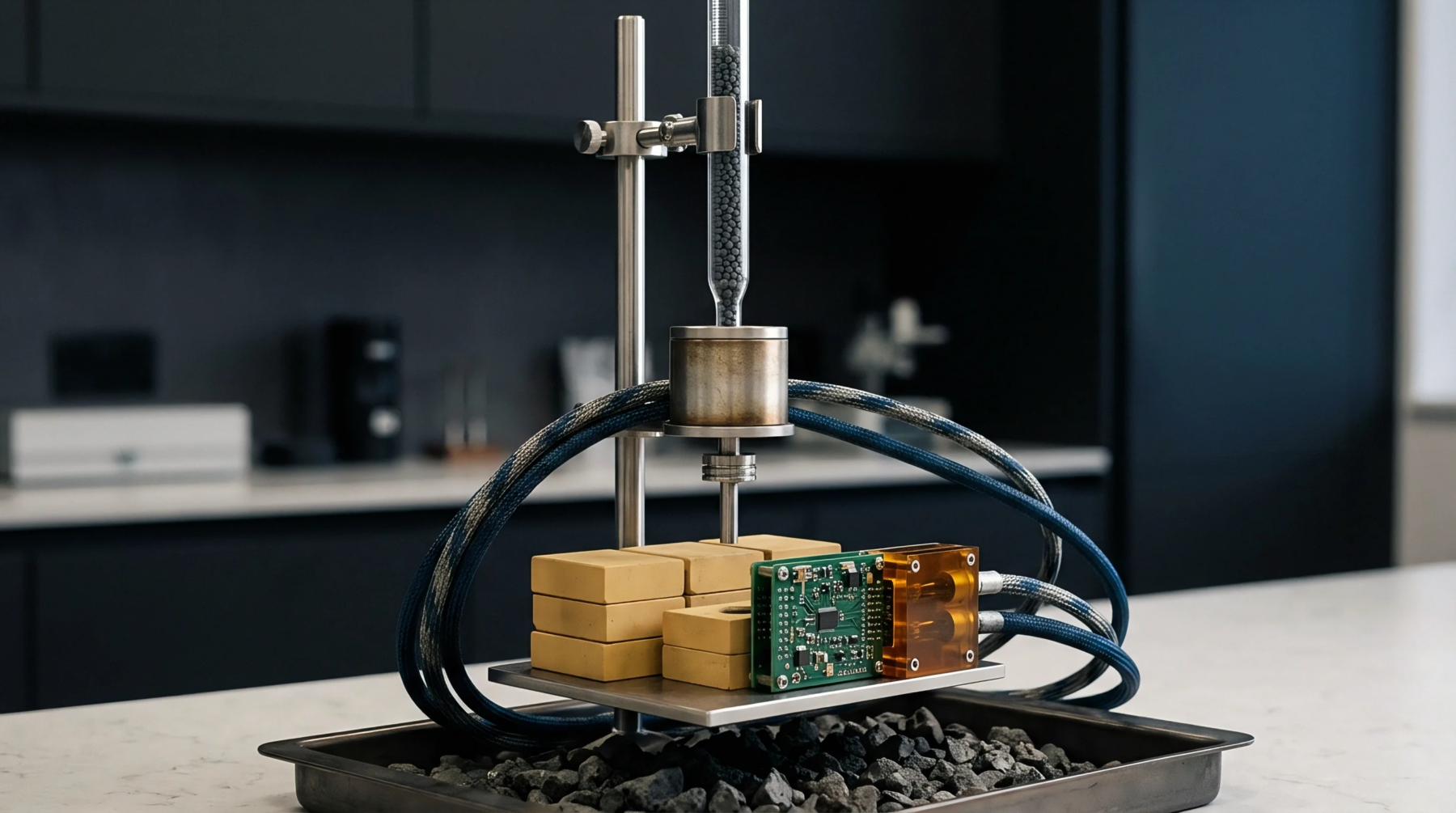
Repair Technique
Repair techniques utilizing a focused stream of heated gas to desolder and reinstall electronic parts allow for the restoration of boards without damaging the substrate. Professional hot-air component replacement requires precise control over the air temperature and flow rate to avoid overheating nearby sensitive devices. This method is preferred for surface mount devices where leads are either very small or hidden beneath the package body.
Thermal Management
Solder must reach its liquidus state across all pads simultaneously to allow for the clean removal of the part. During hot-air component replacement, a nozzle shaped for the specific package concentrates the heat while the surrounding areas are shielded with polyimide tape or heat sinks. This isolation prevents the accidental reflow of adjacent components which could lead to skewed parts or cold solder joints.
Process Sequence
Technicians begin by applying a small amount of flux to the leads to help the heat transfer and prevent oxidation. Once the solder melts, the part is lifted using a vacuum tool or antistatic tweezers. The pads on the board are then cleaned of old solder before a new component is aligned and soldered using the same tools.
If the air pressure is set too high, it can blow molten solder across the board and create shorts. Properly executed, this procedure maintains the long term reliability of the assembly by avoiding excessive thermal stress to the epoxy laminate.