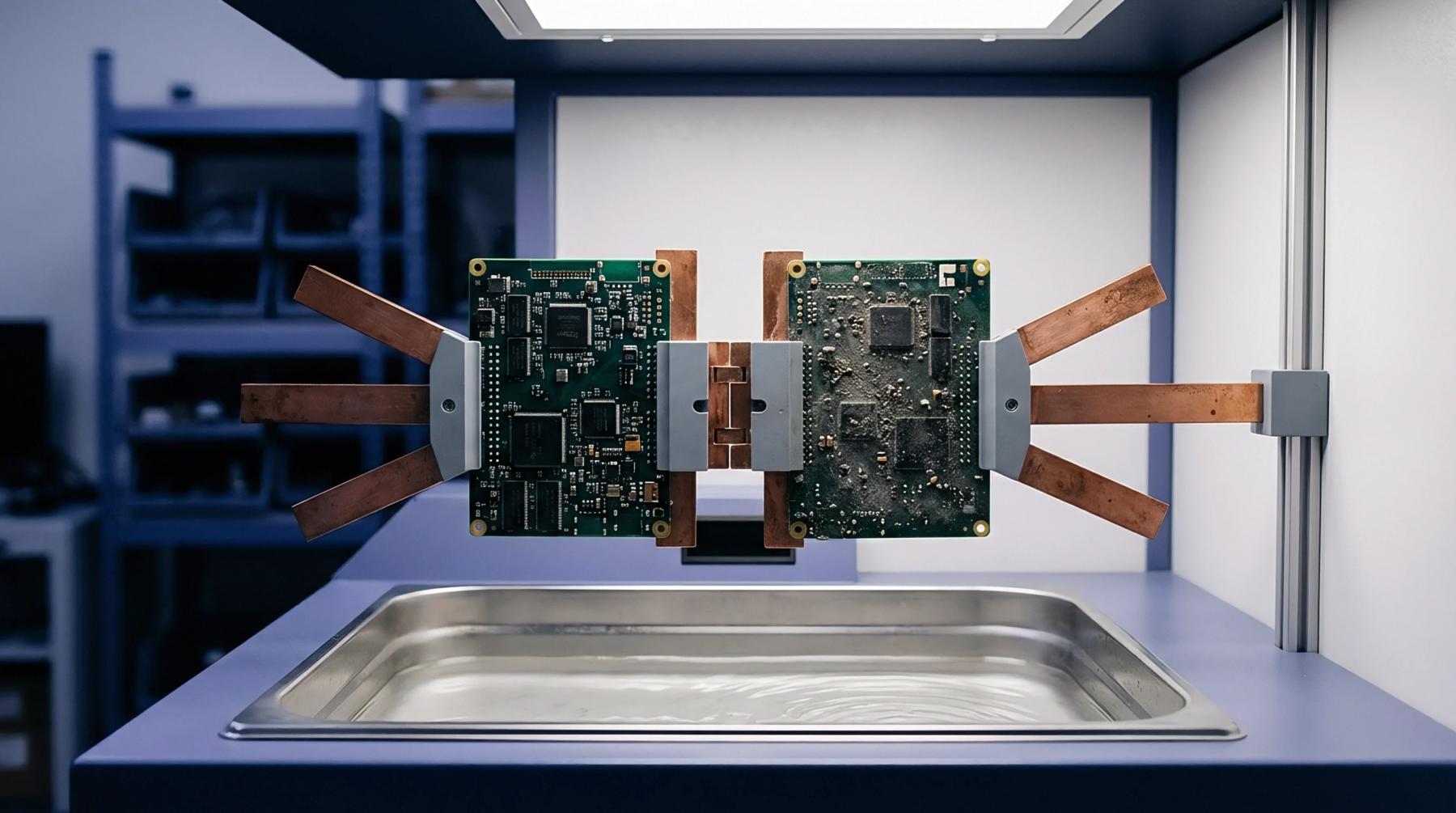
Electrical Profile
A combined probing method applied to printed circuit boards during final assembly verification evaluates both digital signal response and parasitic component values simultaneously. Hybrid electrical test catches opens, shorts, and passive value shifts on assemblies containing mixed technology circuitry. Bare board continuity checking uses low voltage isolation measurements, whereas powered functional verification exercises active integrated circuits under clock speeds.
Combining these paradigms into a single fixture prevents handling damage and reduces cycle times for high density surface mount lines. Testing stations apply vectorless testing techniques alongside traditional in circuit probing to verify device presence without powering the unit. Boundary scan channels access internal registers through dedicated test access ports while analog nodes receive guarded measurements to eliminate parallel current paths.
Voltage Threshold
Operating margins determine whether an assembly passes or fails based on allowable parametric drift across component tolerances. Hybrid electrical test measures leakage currents and pull up resistor values under specific thermal and voltage conditions to simulate operational environments. Signal integrity degradations appear when trace impedance mismatches occur during high frequency stimulus application.
False failures happen when fixture contact resistance exceeds calibration limits, which requires cleaning the spring probes more frequently during high volume production runs.
Fault Coverage
Complete fault detection requires balancing test time against the probability of escaped defects reaching the end customer. Hybrid electrical test addresses manufacturing flaws such as solder bridges, cold joints, and missing decoupling capacitors in one operational sequence. Test engineers modify fixture layouts when component miniaturization restricts physical access to fine pitch ball grid array packages.
Defect tracking software records measurement trends from the test runners to identify process drift in screen printing and reflow profiling before yield drops below acceptable thresholds.