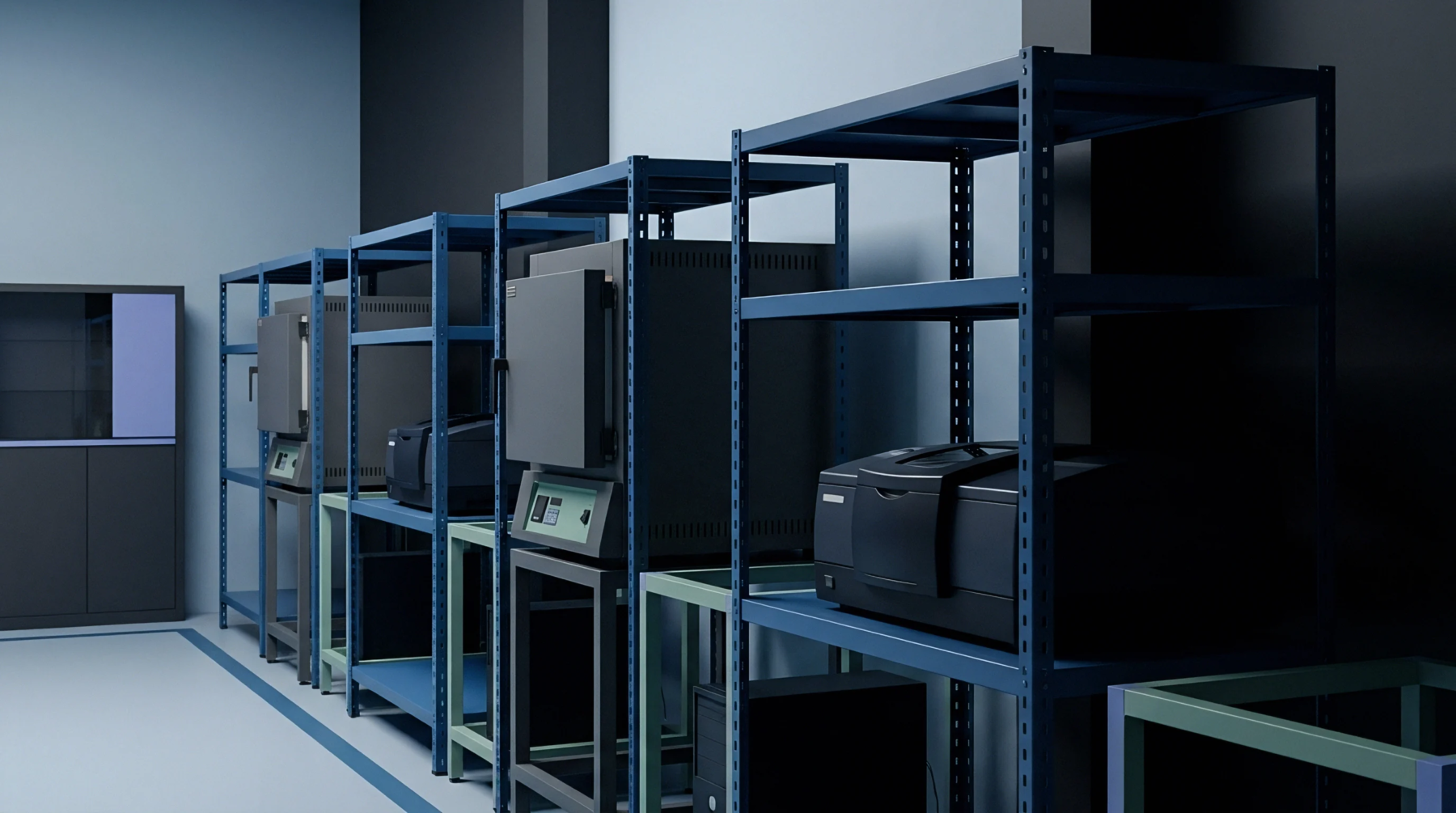
Material Waste
Production facilities track the percentage of components and raw materials discarded from stock due to expiration or obsolescence. Calculating the inventory scrap rate identifies inefficiencies in the storage of moisture-sensitive devices and solder chemistry. This figure excludes parts lost during the assembly process itself.
Economic Impact
Financial losses from wasted inventory include both the direct cost of the materials and the overhead spent on their procurement. A rising inventory scrap rate often stems from over-purchasing or inaccurate forecasting of production needs. Solder paste and adhesives have strict shelf lives, and exceeding these dates necessitates disposal to maintain process quality.
Tracking these losses by category allows management to pinpoint whether the issue lies with fragile component handling or chemical management. Lowering this metric directly improves the bottom line by reducing the need for emergency replacements and lowering disposal costs. Accurate record-keeping ensures that tax liabilities for written-off stock are correctly reported.
Operational Boundary
Monitoring discard levels serves to differentiate between unavoidable losses and systemic failures in the supply chain. While some inventory scrap rate is expected due to damage during shipping, excessive numbers indicate a need for better training. The measurement stops at the point where a component is issued to the shop floor for placement.