Performance Verification
Requirements regarding ipc 9252b compliance define the set of electrical testing parameters applied to rigid and flexible printed circuit boards to ensure circuit integrity before component assembly. This standard identifies classes of bare boards based on the complexity of the design and the tolerance levels for electrical continuity and isolation. Testing identifies open circuits, short circuits, or resistive failures that prevent a board from functioning as designed.
Boards meeting these criteria demonstrate electrical robustness against the specific performance requirements dictated by the end application.
Defect Classification
Deviations from ipc 9252b compliance during the fabrication phase represent physical failures in the conductive pattern or the dielectric material. Shorts occur when conductive materials bridge two nets that require electrical isolation, whereas opens occur when the conductive path breaks or fails to establish a connection. The standard categorizes these defects by the density of the circuitry and the proximity of conductive features.
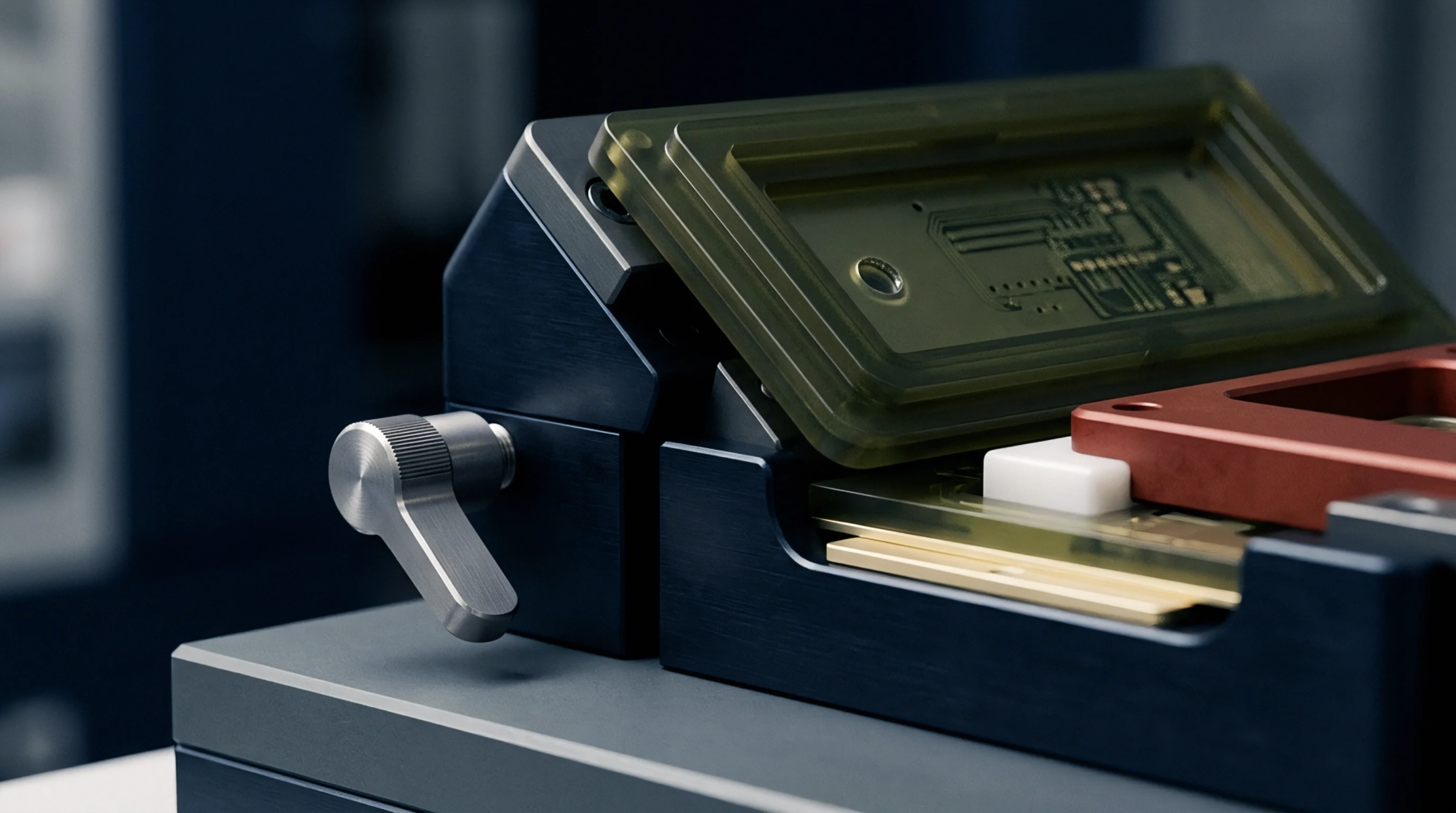
High density interconnect structures require narrower probes and more sensitive measurement thresholds compared to standard multilayer boards. Engineers assign a specific test class to a design to match the board complexity to the inspection rig. If the physical layout density exceeds the capabilities of the flying probe or fixture test, the board fails the electrical verification step.
The inspection equipment verifies every net against the netlist extracted from the design database. When the board matches the netlist, the fabrication facility certifies the batch for delivery to the assembly line.
Assessment Protocol
Validation of ipc 9252b compliance hinges on the repeatability of the test process under defined environmental conditions. Test technicians calibrate probes to handle the specific pitch and landing pad surface finish found on the board. Changes in temperature or humidity during the test cycle influence the measured resistance, which demands periodic recalibration of the equipment to maintain accuracy.
Fault detection relies on the comparison of measured values against the pass or fail thresholds set for continuity and isolation. If a signal trace maintains resistance within the allowed range, it passes inspection. The failure to maintain these resistance limits indicates a compromised board structure that carries high risk during field operation.