Dielectric Performance
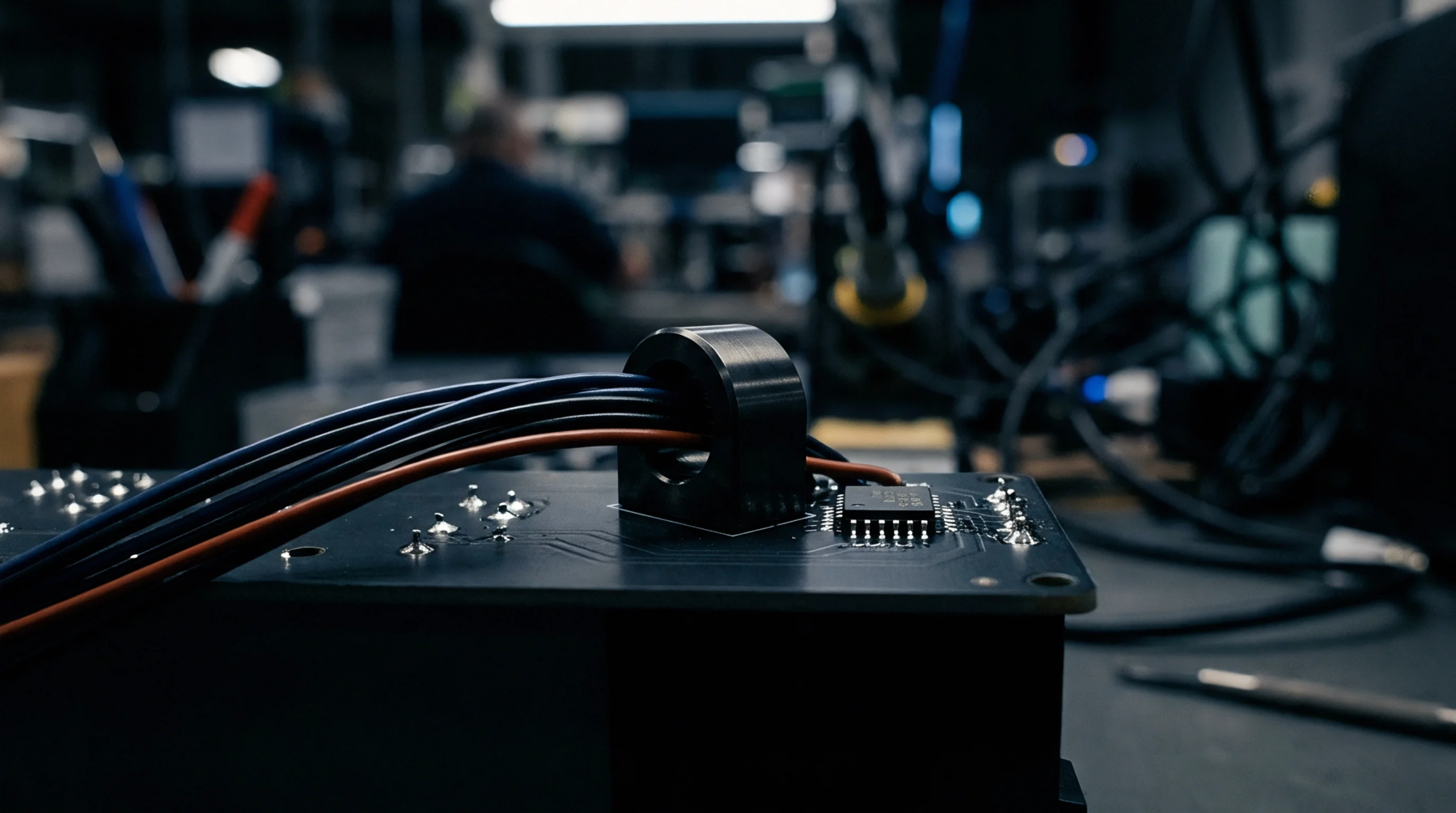
Unintended flow of electrical charge occurs through solid insulation or across component surfaces when a potential difference exists between conductive elements. Leakage current arises from the inherent conductivity of materials or the formation of conductive paths due to contaminants on the surface of a printed circuit board. This phenomenon originates from microscopic imperfections within the dielectric structure that permit ions to migrate under the influence of an electric field.
The magnitude of such flow dictates the safety and efficiency of high impedance circuits.
Isolation Integrity
Assemblies designed for medical or high voltage environments require precise monitoring of this movement to ensure operator safety. Design engineers select substrate materials with high surface resistivity to minimize paths for electrons to bypass the intended circuit logic. Testing involves applying a specific voltage across the isolation barrier and measuring the resulting flow with a sensitive microammeter under controlled ambient temperature and humidity.
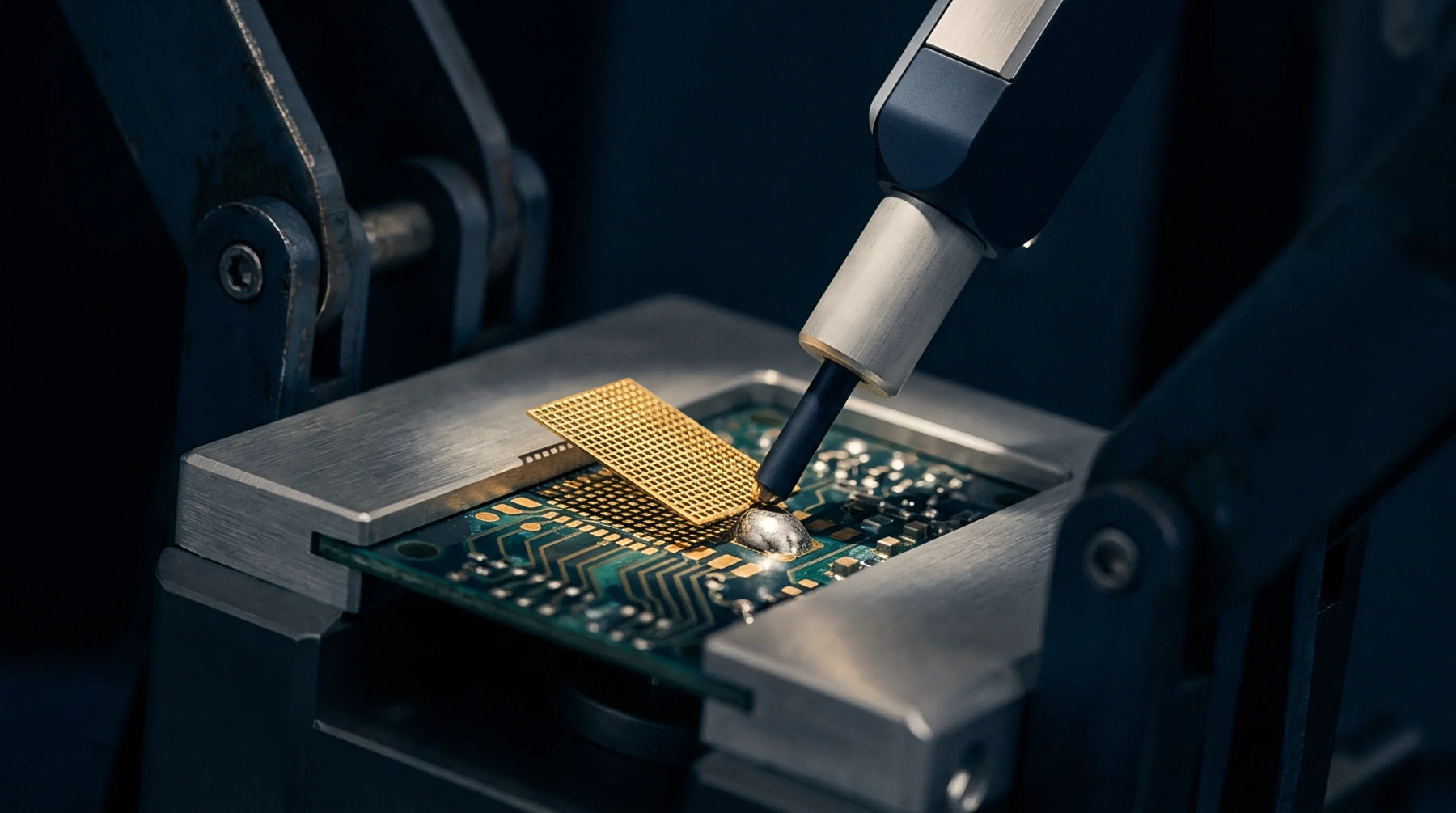
Factors such as solder flux residue or humidity levels influence the final measurement, often requiring stringent cleaning processes to remove ionic residues that bridge adjacent tracks. Dense layouts with narrow spacing between traces elevate the risk of this occurrence, especially when board finish processes leave trace salts behind.
Compliance Limit
Safety standards define maximum thresholds for devices connected to main power to protect the user from harmful shocks during operation. These limits vary based on whether the equipment is portable or permanently installed, as higher touchable metallic surfaces require lower maximum current values. Circuit boards failing to meet these thresholds undergo failure analysis to identify bridging defects or material degradation.
Consistent performance in this metric demonstrates the stability of the isolation system.