Protocol Scope
Standardized testing procedures established within section 2.4 of the IPC test methods manual define mandatory protocols for determining the peel strength of printed wiring board laminates. Adherence to IPC-TM-650 2.4.8 provides raw material suppliers and board fabricators with a repeatable benchmark for measuring the mechanical bond force between metallic foil and dielectric substrates. The procedure specifies strip preparation, etch patterns, and pull angles required to isolate adhesive integrity from foil tensile properties.
Testing applies to clad laminates before processing as well as finished flexible and rigid circuit structures. Compliance ensures copper traces withstand mechanical stresses during assembly handling and thermal exposure during soldering operations.
Fixture Execution
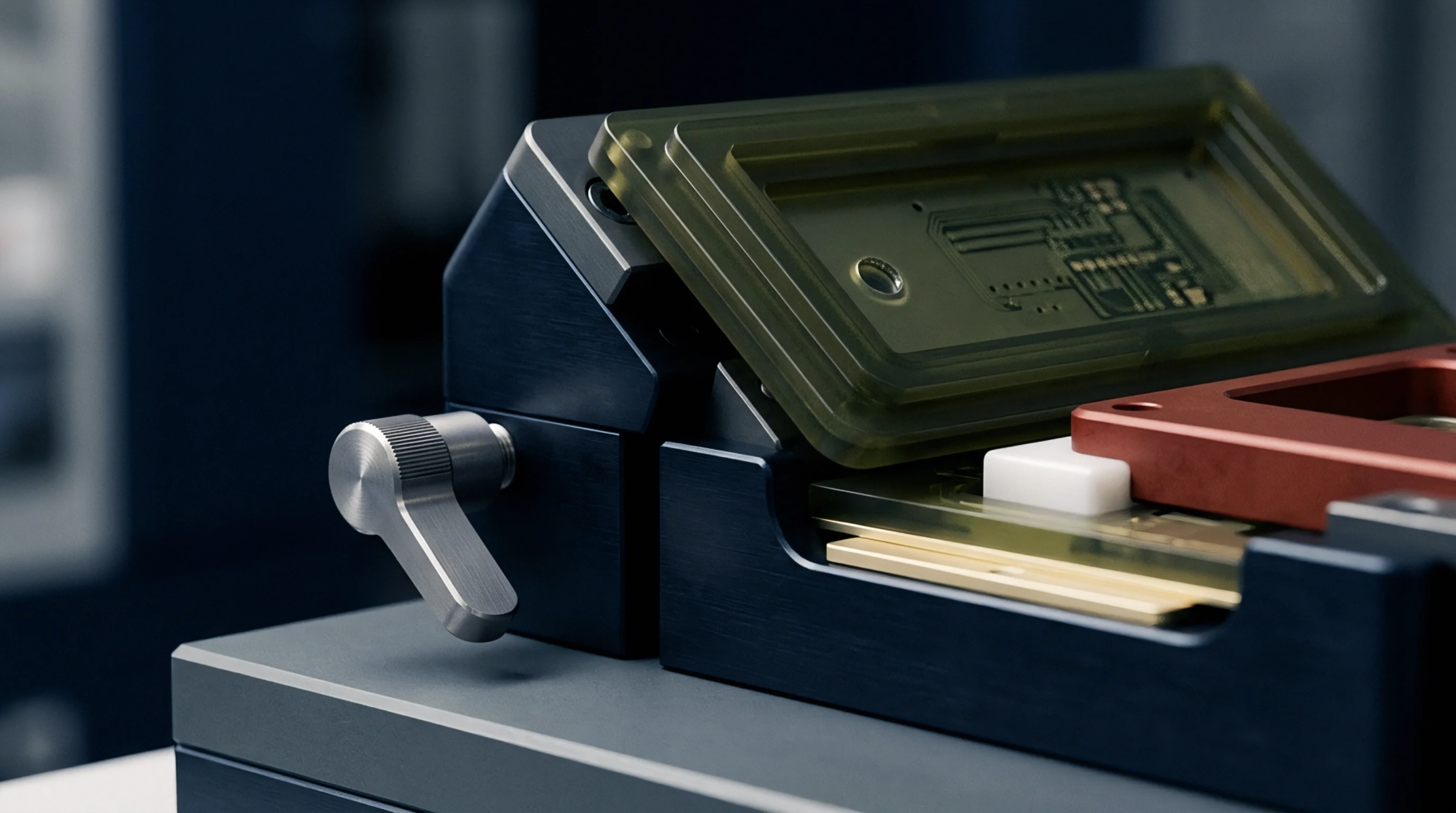
Testing requires a tensile test machine equipped with a force transducer, an unpeeled specimen clamp, and a mechanism that maintains a vertical ninety-degree peel direction relative to the substrate surface. Strips of copper foil, typically etched to a uniform width of one-eighth inch or three-point-one-seven millimeters, are peeled back from the dielectric base at a controlled rate of two inches per minute. Force data gathered during steady-state propagation yields a continuous strip chart record, from which technicians calculate average peel strength in pounds-force per inch or newtons per millimeter.
Pre-conditioning options include thermal stress immersion in molten solder, chemical exposure to plating fluids, or humidity aging to simulate manufacturing environments.
Failure Boundary
Minimum acceptable peel force thresholds are set by raw material specifications and procurement contracts. Peel failure occurring at values below standard requirements indicates inadequate resin curing or micro-roughness profile degradation.