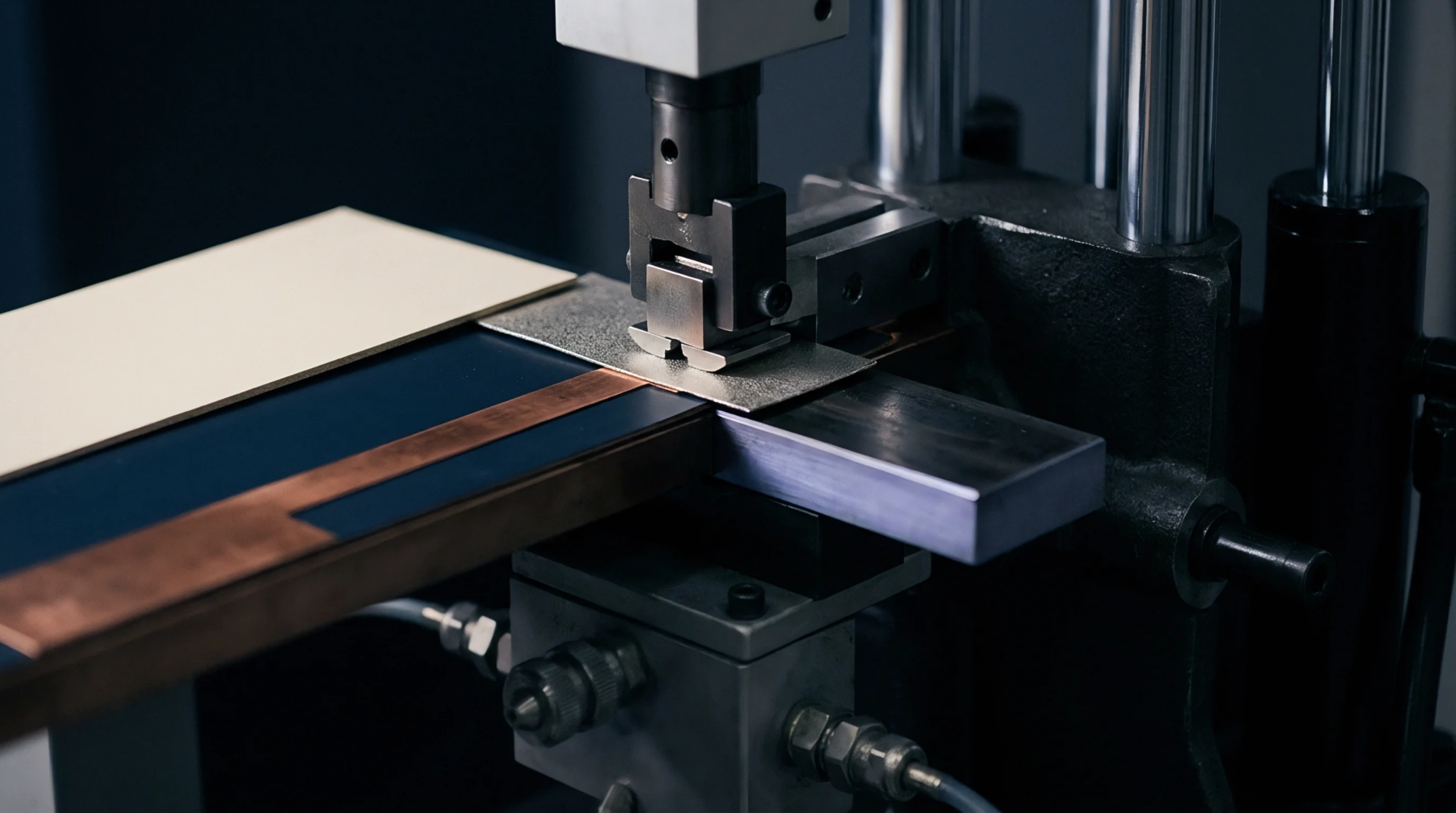
Physical Expansion
Dimensional changes occurring in a composite substrate as a result of temperature increases are measured by the coefficient of thermal expansion. Excessive laminate thermal expansion can lead to the fracture of copper traces or the separation of internal layers during soldering. Most materials expand at a relatively low rate until they reach the glass transition temperature.
Beyond this point, the rate of expansion increases dramatically, particularly in the direction perpendicular to the board surface.
Barrel Integrity
Stresses placed on the plated through-holes are a direct consequence of the mismatch between the expansion of the resin and the copper. Because the resin expands more than the metal, it pulls on the barrel of the hole like a piston. This mechanical tension can cause the copper to thin or crack, especially at the junction between the barrel and the internal pads.
Designers choose materials with a low z-axis expansion to protect these critical interconnects from fatigue. High-reliability applications often specify a maximum expansion percentage to ensure long-term survival in the field.
Transition Behavior
Measurement of this property is typically performed using thermomechanical analysis. The resulting curve shows the exact temperature where the material softens and begins to expand at a higher rate.