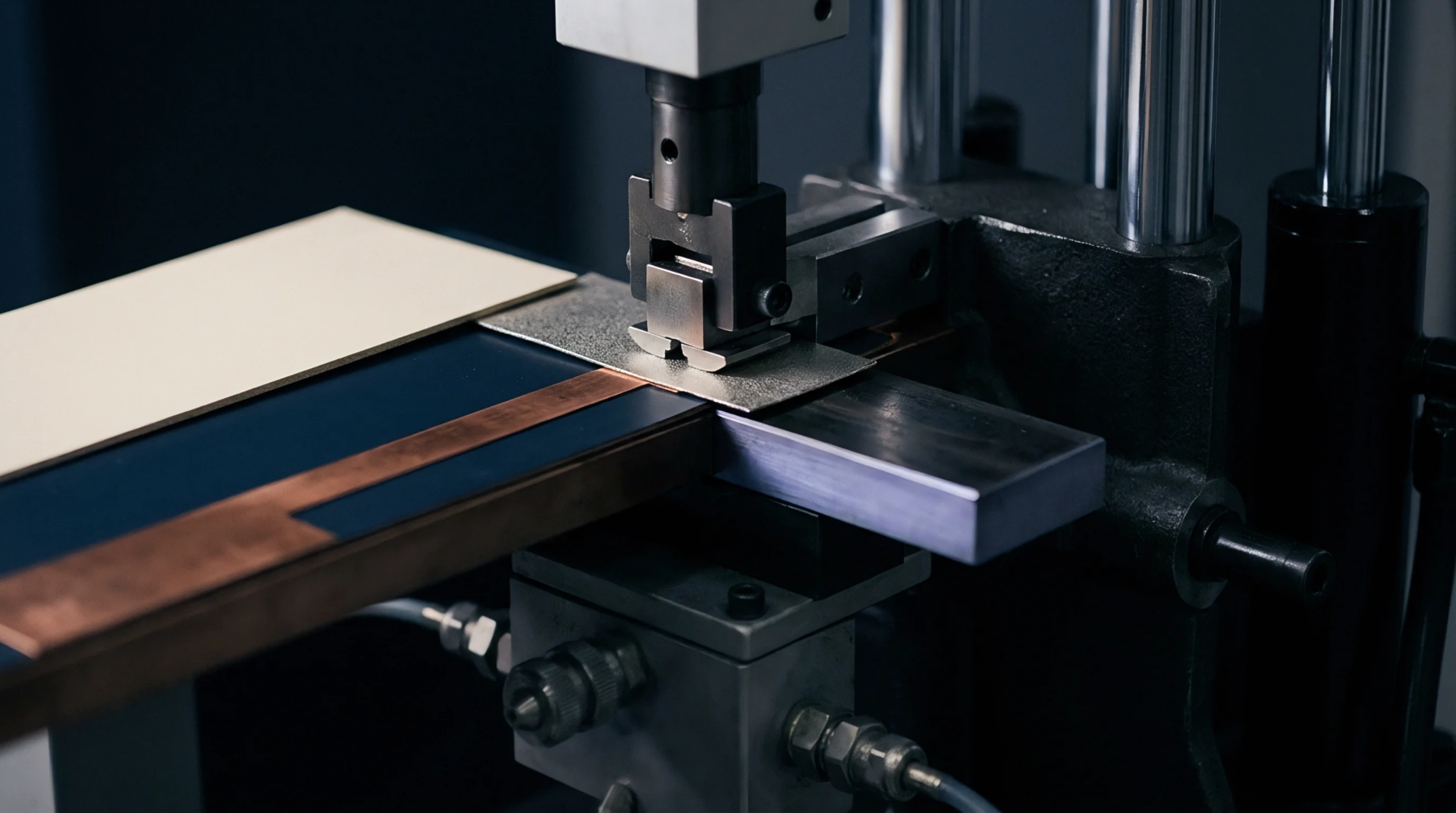
Fabrication Efficiency
Success rate of generating functional blind vias using a focused beam of light is a primary driver of high-density interconnect costs. Improving laser microvia yield depends on the precise control of the beam energy and the consistency of the dielectric material. If the laser fails to penetrate the resin completely, the resulting hole will not allow for a reliable electrical connection to the target pad.
Conversely, excessive power can damage the underlying copper or cause delamination of the surrounding layers.
Cleaning Process
Residue left behind by the ablation process must be removed through a chemical desmear step before plating can occur. Any carbonized material or glass fragments remaining in the hole will prevent the copper from bonding correctly to the side walls. This lack of adhesion leads to intermittent opens that are difficult to detect during standard electrical testing.
Automated optical inspection is often used to verify that the holes are clear and properly formed. Process engineers adjust the dwell time and pulse frequency of the laser to match the specific absorption characteristics of the resin system.
Quality Inspection
Microsectioning provides a way to view the internal structure of the hole and verify the plating thickness. These cross-sections reveal the quality of the interface between the via and the landing pad.