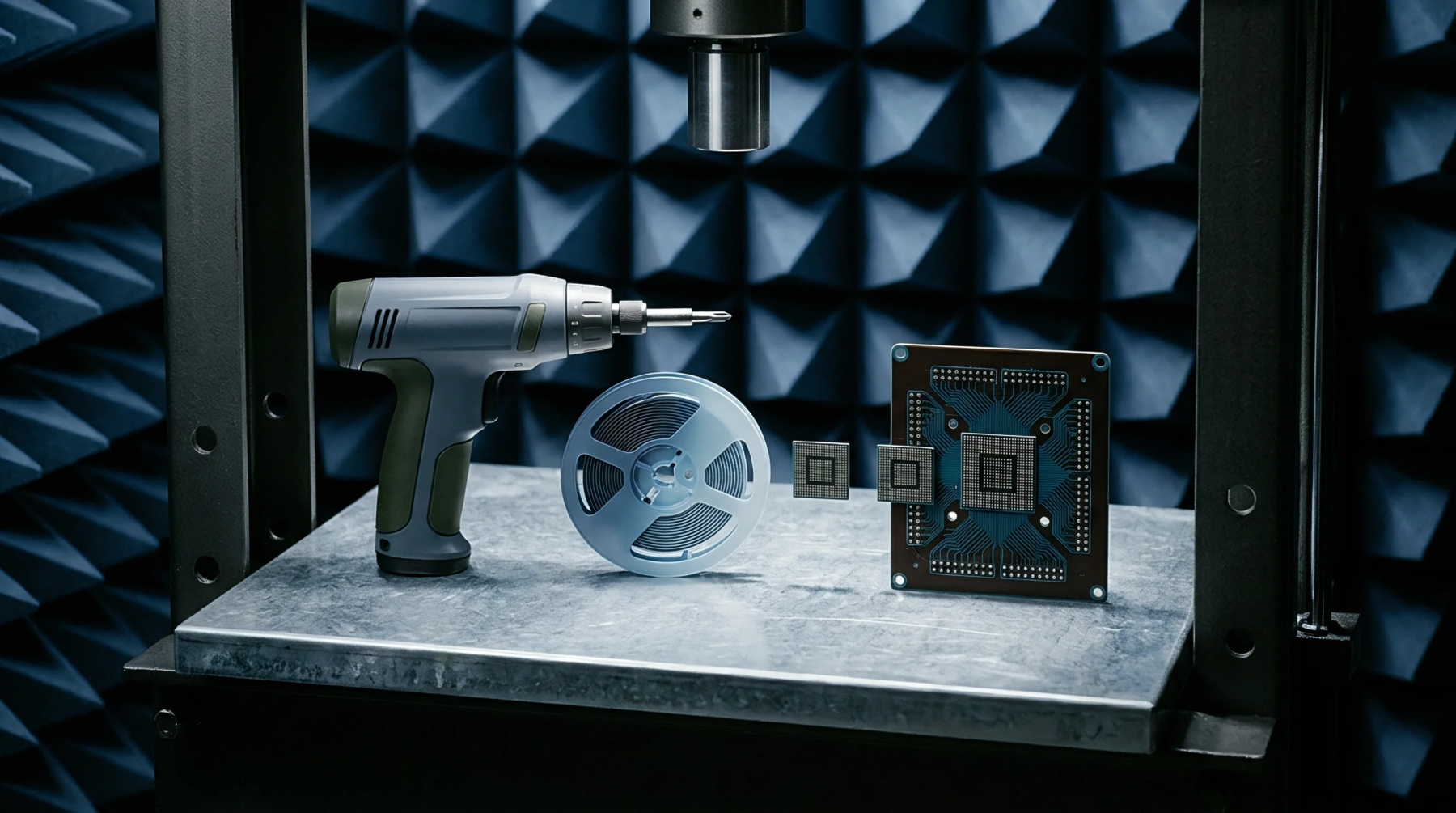
Process Authorization
Formal verification protocols executed before initiating production runs ensure that assembly machinery, stencil setups, and solder paste chemistries operate within validated process windows. In printed circuit board assembly, line release qualification functions as the mandatory operational checkpoint between job setup and full-scale manufacturing. Engineers inspect initial sample boards off the automated line, checking solder paste deposition volume and component placement accuracy against engineering specifications.
Completing this audit prevents mass production of non-conforming circuit assemblies.
Verification Protocol
Quality assurance personnel examine first-off production samples using automated optical inspection, X-ray inspection, and cross-section analysis. Solder paste printing parameters, including squeegee pressure and stencil cleaning intervals, undergo rigorous verification against process control standards. Thermal profiling sensors attached to test boards verify that peak temperatures and time-above-liquidus figures match component manufacturer requirements across all board zones.
Feeder loading scans confirm that component part numbers and reel lot codes match the bill of materials loaded in pick-and-place programming. Automated verification routines lock the line interface, preventing operator override until every inspection check yields passing status. Only after every inspection gate records zero defects does production control authorize continuous line operation.
Approval Boundary
Any change in component lot, solder paste batch, or machine operator invalidates prior line release qualification records, requiring partial re-audit. If a single first-piece sample exhibits misaligned leads or solder balling, the line remains locked until root causes are resolved. Documented release sign-offs provide full traceability required under automotive and medical manufacturing standards.