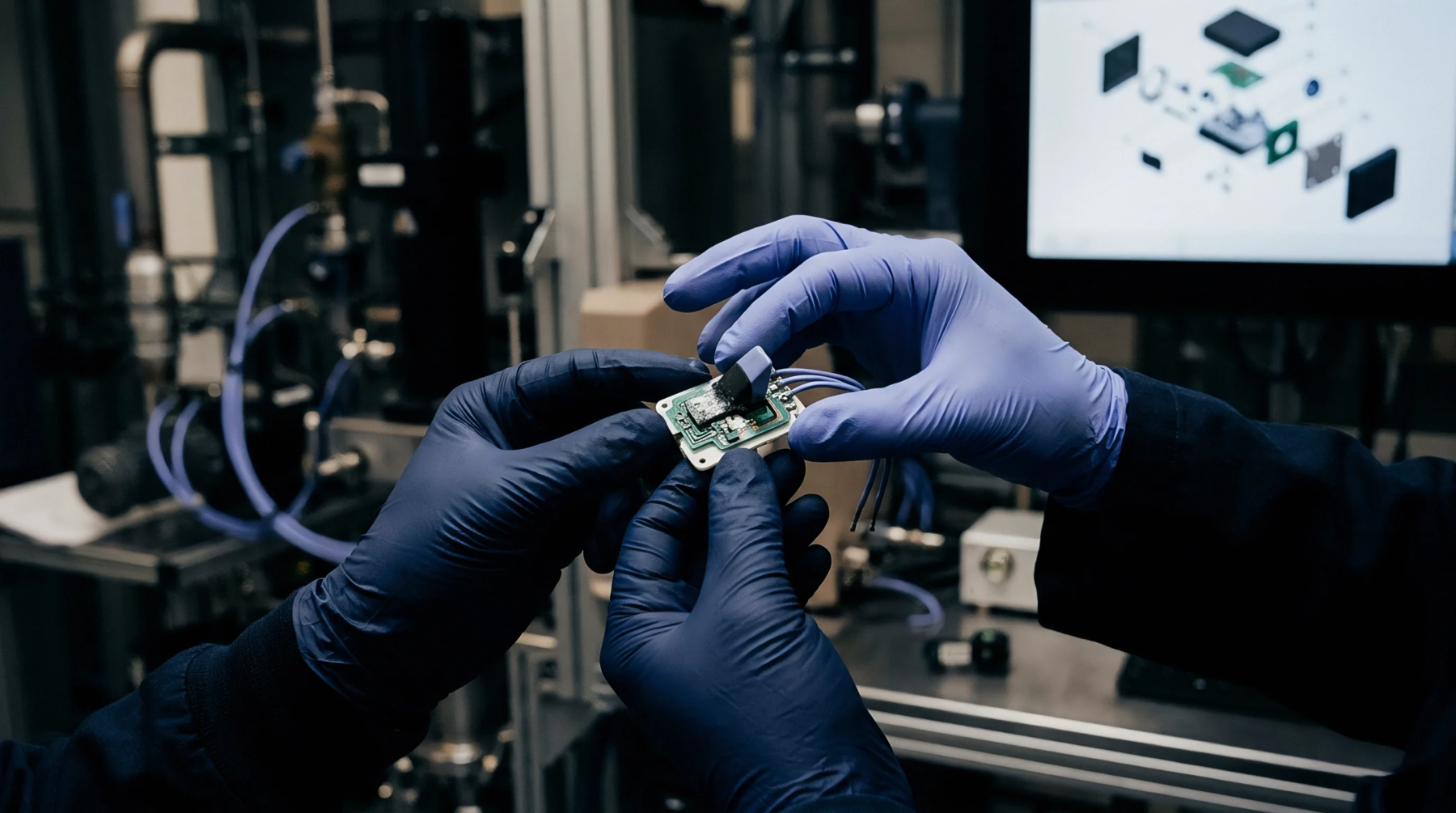
Optical Correction
Adaptive voltage modulation adjusts the refractive index of a fluid interface to maintain constant imaging parameters across temperature shifts. Liquid lens focus compensation counteracts thermal expansion or contraction within the optical cavity by varying the electrical input to the membrane. This electronic adjustment stabilizes the focal length when external heat changes the physical properties of the lens material.
Process Integration
Surface mount assembly lines incorporate these components to ensure reliability in environments prone to thermal gradients. Control software monitors the current draw of the lens element and recalibrates the drive signal to lock the focus plane during rapid environmental transitions. Automated inspection systems verify this capability by cycling the assembly through calibrated thermal chambers while measuring contrast transfer function values at specific focal points.
Failure to maintain a stable image during these cycles indicates a defect in the feedback loop between the thermal sensor and the lens driver.
Component Tolerance
Calibration tables within the firmware store specific offsets that map voltage requirements against recorded ambient temperatures. Engineers define these thresholds to account for variance in fluid viscosity and housing expansion rates found across different fabrication batches. Consistent performance depends upon the precision of these lookup values during the initialization phase of the optical module.
The accuracy of these stored parameters dictates the repeatability of the focus position across the entire operating range of the sensor assembly.