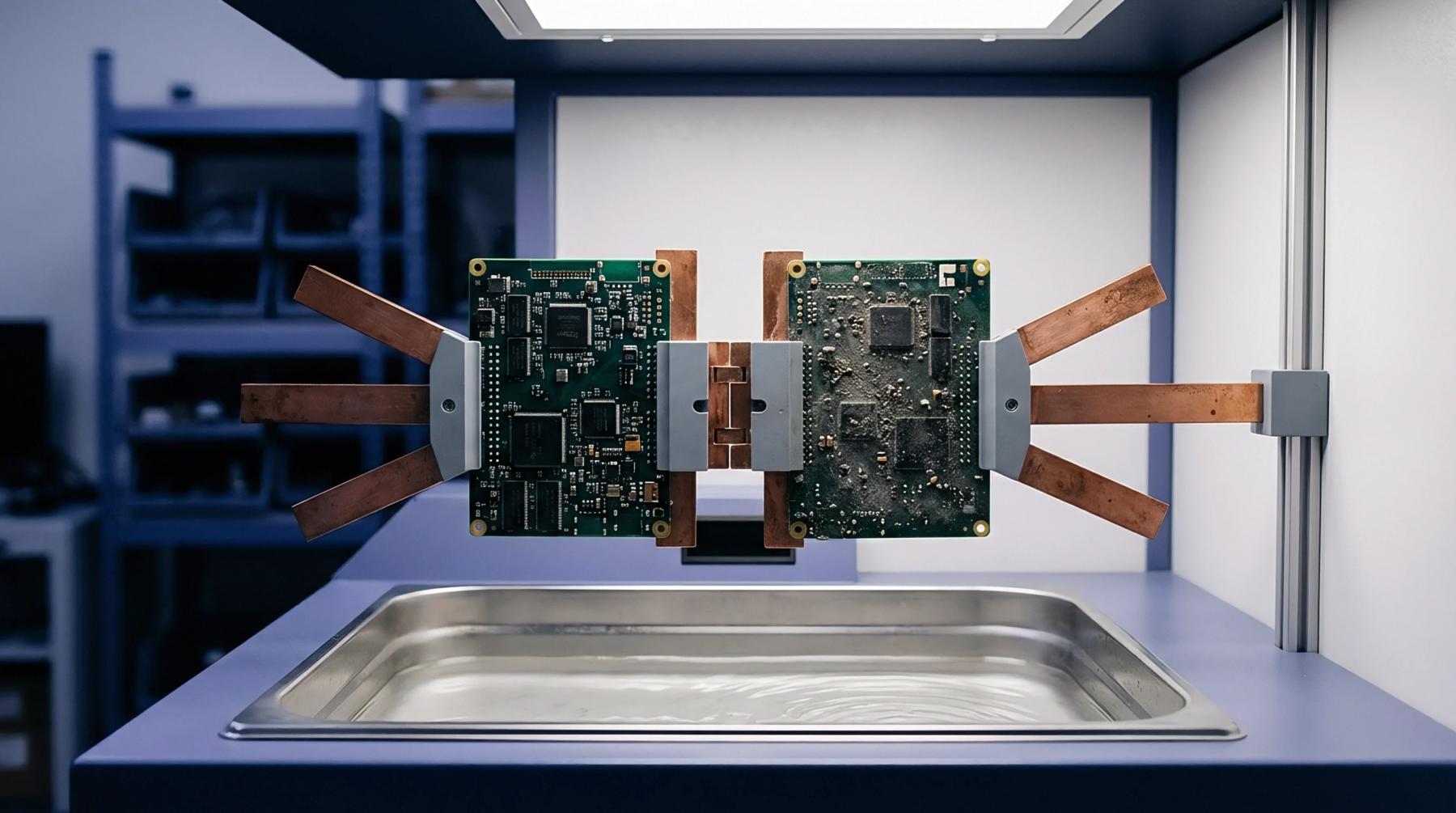
Production Verification
Sample verification acts upon a discrete manufactured quantity before shipment occurs. Lot acceptance testing determines whether a distinct production batch meets agreed electrical and mechanical thresholds following final circuit board assembly. Operators pull specific specimen counts from a finished manufacturing run according to predetermined statistical sampling tables.
Selected boards undergo thermal cycling, vibration exposure, and electrical parameter checks to verify workmanship stability.
Assembly Parameter
Solder joint integrity and component placement accuracy dictate the boundary condition for valid lot acceptance testing. Surface mount technology lines produce statistical variation during stencil printing and reflow profiling, which necessitates physical verification on assembled hardware. Visual inspection under magnification catches bridging and tombstoning defects before functional power is applied to the circuitry.
Automated optical inspection equipment measures solder fillet volume and component offset against IPC standards. Functional test fixtures subsequently apply power rails and stimulus signals to validate circuit response under nominal operating conditions.
Sampling Limit
Statistical confidence dictates how many physical assemblies undergo destructive or non-destructive examination during batch disposition. Acceptance numbers define the maximum allowable defect count within a tested sample before the entire manufacturing lot faces rejection. Zero failure criteria govern high reliability electronics destined for aerospace deployment where marginal assembly quality carries unacceptable operational risk.
Economic pressures trade sample size against shipment delay, balancing consumer risk against manufacturer liability across commercial electronics production.