Dielectric Formulation
Specialized fiberglass reinforcement fabric minimizes signal propagation delay by utilizing a low-Dk ne glass chemistry that reduces the effective dielectric constant of high frequency circuit boards. Manufacturers incorporate this glass composition into prepreg and core materials to improve electrical performance during high speed data transmission. Standard E-glass exhibits a higher permittivity that slows signal velocity, whereas this boron-free matrix lowers impedance mismatch and cross-talk in dense multilayer designs.
The material properties prevent signal attenuation across long copper traces, providing a stable dielectric environment where timing skew remains within tight tolerances. Reduced signal degradation allows for higher bandwidth throughput in server backplanes and communication hardware. Its physical structure remains compatible with existing epoxy resin systems used in standard lamination processes.
Fabrication Characteristic
Fabrication facilities utilize low-Dk ne glass to control dielectric loss at frequencies exceeding ten gigahertz. Production lines adjust lamination pressure and heat profiles because the mechanical modulus differs slightly from traditional reinforcement styles. Boards manufactured with this substrate require tighter control of resin flow to ensure complete fiber wetting without trapped air.
Drill parameters undergo refinement to accommodate the abrasive nature of the specialized glass filaments during hole wall preparation. Inspectors identify potential failure modes through micro-sectioning, monitoring for voids or gaps at the copper and dielectric interface. Proper adhesion between the resin and glass particles prevents delamination during subsequent thermal assembly cycles.
Assembly Requirement
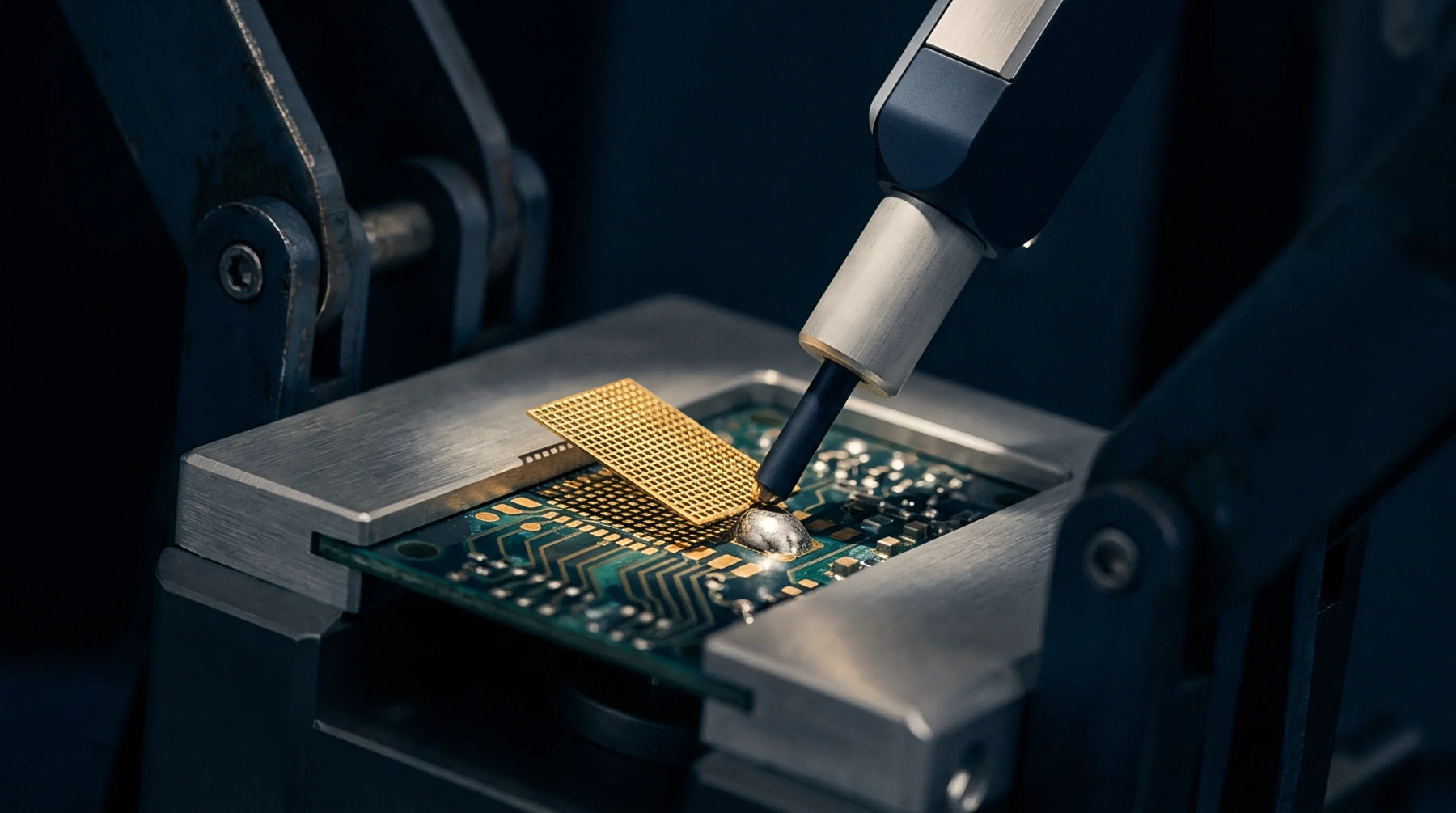
Assembly operations demand precise thermal management when soldering components onto boards containing low-Dk ne glass. Differences in the coefficient of thermal expansion between the glass and the surrounding resin matrix necessitate careful control of the reflow temperature curve. Rapid heating causes mechanical stress that risks cracking the internal bond between the fiber and the dielectric resin.
Engineers specify controlled cooling rates to minimize warpage across large form factor boards. Effective wetting of solder joints happens only when the surface energy remains consistent with the substrate chemistry. Testing reveals that boards utilizing this material exhibit superior impedance stability under varying environmental humidity levels.