Beam Processing
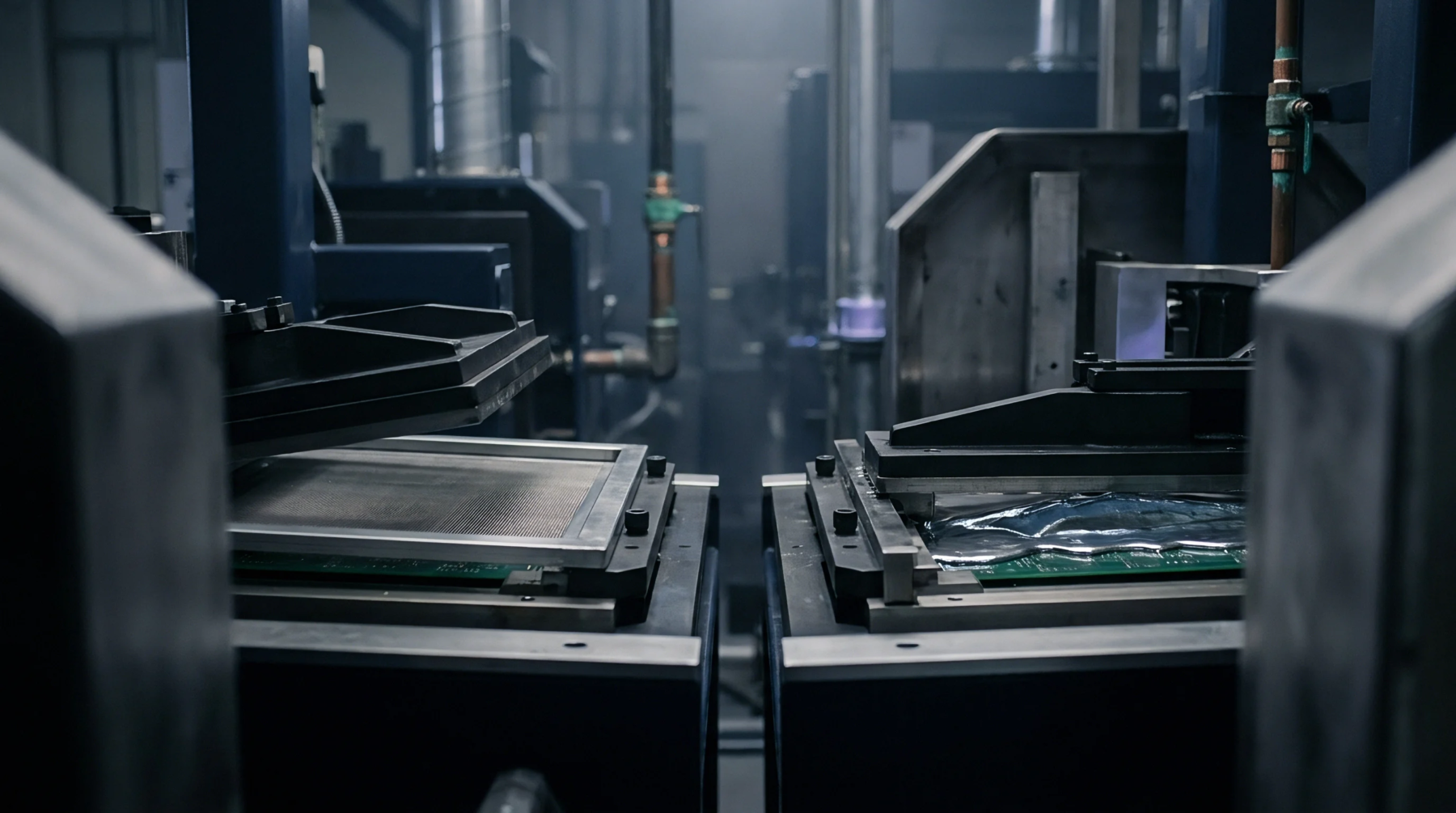
High-precision material removal systems for multilayer boards use focused light to create blind vias of less than one hundred and fifty micrometers in diameter. Operating a microvia laser drill relies on carbon dioxide or ultraviolet light sources to melt or vaporize the copper and dielectric layers. This technique replaces traditional mechanical spindle drilling for dense layout structures.
Substrate Interaction
Heat conduction through the different layers of the board is managed by adjusting the pulse width and power of the beam. Ultraviolet light is absorbed well by both copper and glass fibers, which makes it suitable for cutting the outer metal foil. Carbon dioxide lasers, however, reflect off copper but dissolve the polymer substrate underneath quickly.
Combining these two wavelengths allows the tool to create deep cavities with clean sidewalls without damaging the internal copper pads.
Debris Removal
Chemical cleaning of the generated microvias must follow the drilling step to remove the carbonized resin left at the bottom of the hole. This residue prevents the subsequent electroplating step from establishing a continuous connection to the target layer. Desmear processes use plasma or chemical oxidizers to strip this residue and prepare the hole for metallization.
This step eliminates the risk of open circuit faults during thermal cycling.