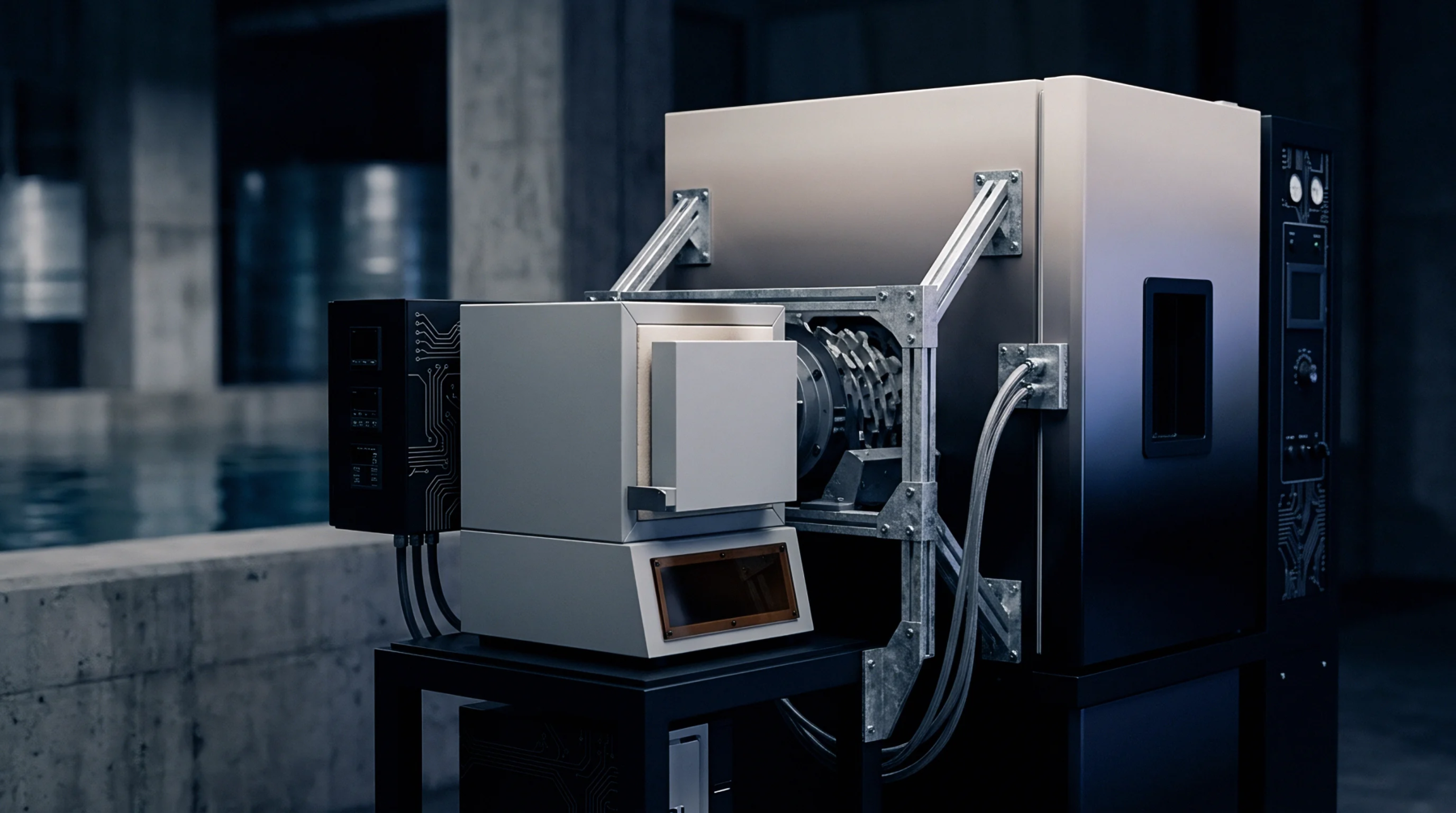
Thermal Profiling
Temperature parameter configurations across discrete heating and cooling chambers define the thermal trajectory of printed circuit assemblies in reflow soldering. Adjusting multi zone oven setpoints enables process engineers to construct tailored thermal profiles with precise soak durations, peak reflow temperatures and controlled cooling slopes. Modern reflow furnaces utilize eight to twelve independently controlled top and bottom heating zones to establish continuous heat flux gradients.
Differential zone settings allow rapid thermal transition without subjecting sensitive component bodies to excessive thermal shock. Precise thermal separation between adjacent zones prevents unwanted cross talk and maintains stable thermal profiles during continuous board loading.
Temperature Control
Closed loop proportional integral derivative controllers continuously adjust heating element power based on internal zone thermocouple feedback. Establishing optimal multi zone oven setpoints balances thermal input across low thermal mass chip components and heavy integrated circuit heat slugs. Lower initial zone setpoints establish gentle preheating ramps, driving off solder paste solvents while preventing thermal spalling.
Peak reflow zone setpoints are set above liquidus temperatures to ensure complete metallurgical bonding across all solder pads.
Profile Compliance
Unintended shifts in chamber setpoints alter the time above liquidus, causing insufficient wetting or component thermal damage. Verification of furnace calibration occurs through regular pass-through data logger runs and automated alarm monitoring.