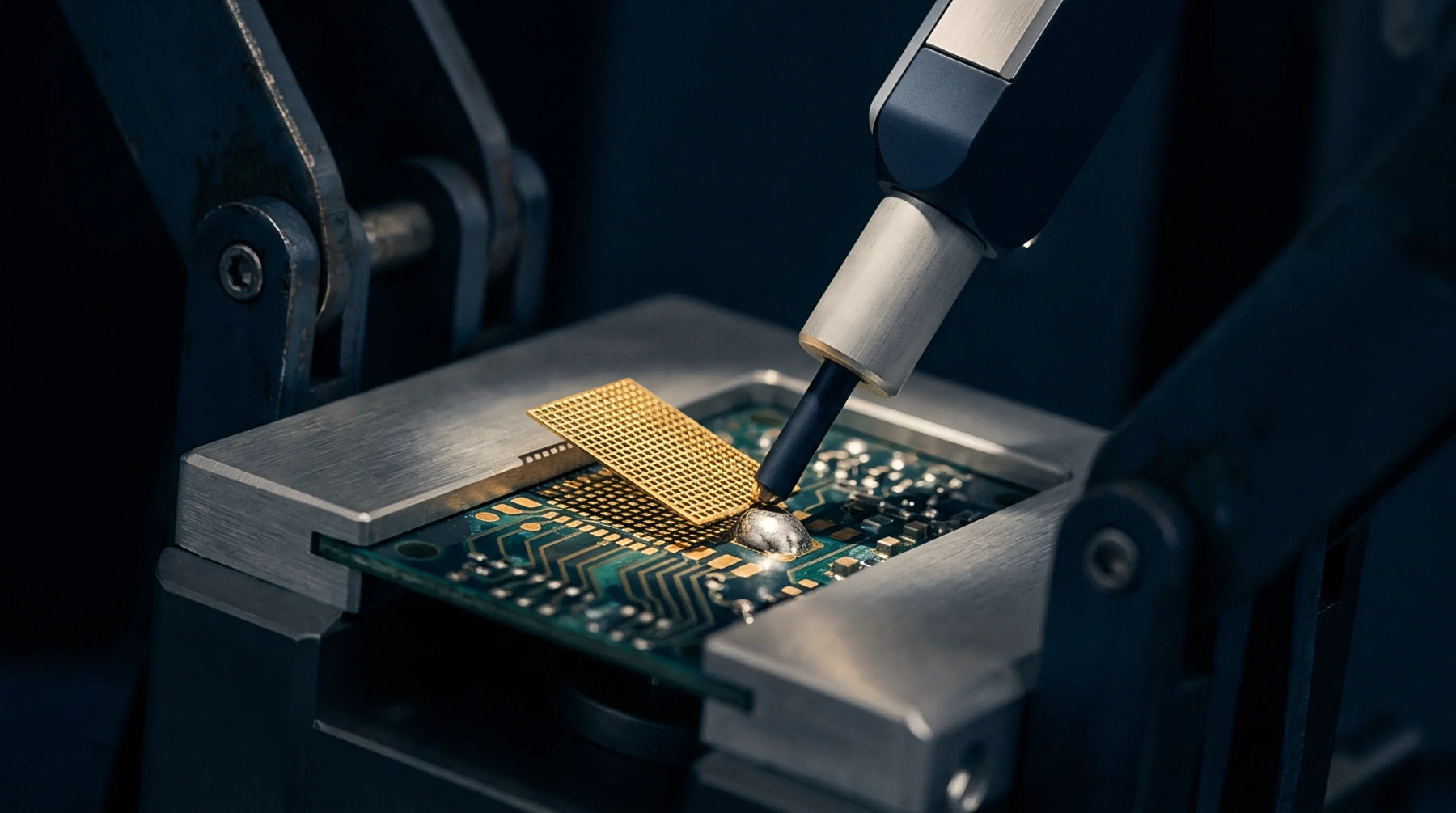
Electrical Integrity Analysis
An automated diagnostic procedure verifies connectivity paths between distinct power and ground domains within a printed circuit board design. Netlist isolation verification identifies unintentional electrical bridges or missing blocking structures in the layout database prior to manufacturing. This procedure confirms that high voltage nets remain separated from low voltage logic signals to prevent hardware damage during operation.
Faulty spacing between copper features allows parasitic currents to bypass intended regulation circuitry.
Isolation Constraint Compliance
Engineers establish specific clearance rules within the computer aided design software to enforce minimum creepage distances. Netlist isolation verification checks these physical parameters against the intended schematic design to ensure that copper pours or traces do not violate safety boundaries. Successful completion of this check indicates that every net adheres to its designated voltage zone.
Operators compare the extracted layout parasitics against the netlist to detect short circuits occurring beneath surface mount components or inside multi layer stacks. Boards lacking this validation risk permanent failure during initial power up tests because stray connections cause thermal runaway in delicate semiconductor junctions. Automated comparison tools extract the actual physical connectivity and contrast it with the original engineering schematic to isolate discrepancies.
Manufacturing Boundary Validation
Mechanical drill bits and laser ablation tools define physical cuts in the substrate to maintain electrical gaps between segments. Netlist isolation verification confirms these design features transition correctly into photolithography masks for batch production. The process ensures that copper islands or thermal reliefs do not bridge across intended insulating paths due to etching tolerances.
Precise etching control maintains the narrowest clearance defined by the design rule document. Proper gap retention guarantees the long term reliability of the electronic assembly under fluctuating environmental conditions. Correctly configured isolation patterns prevent electrical shorts from manifesting in the final hardware product.