Oxidation Suppression
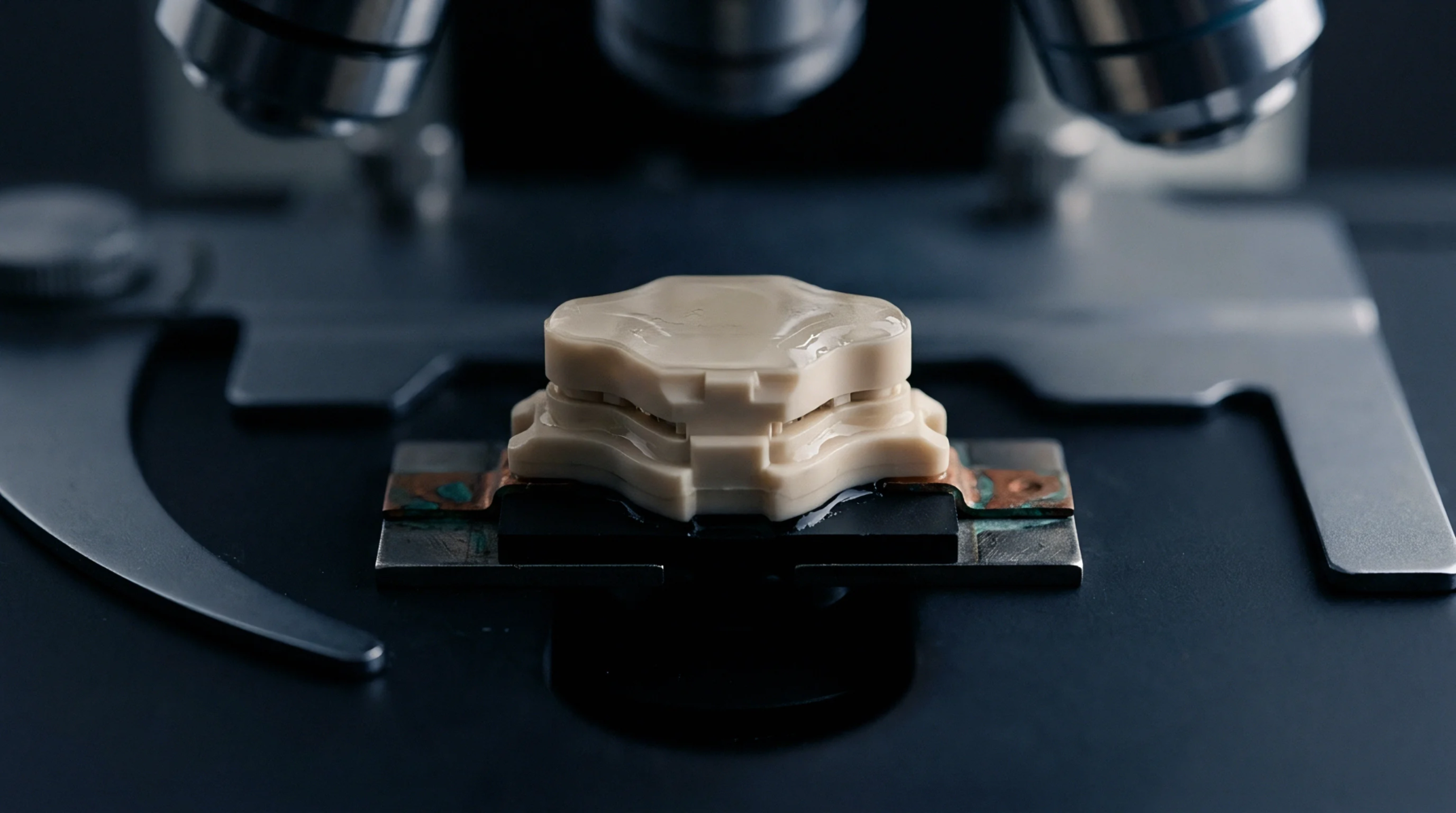
Localized atmosphere containment enclosures inject inert gas around molten solder waves to displace atmospheric oxygen during automated joint formation. By surrounding the selective soldering nozzle, a nitrogen inerting shroud maintains an oxygen-depleted environment at the liquid alloy interface. The apparatus governs local atmospheric purity during wetting.
It ceases to influence the joint once solder solidification finishes.
Capillary Wetting
Displacing atmospheric oxygen from the liquid solder wave fundamentally enhances the surface energy balance between molten alloy and copper termination pads. In ordinary air soldering, molten tin rapidly forms surface oxides that inhibit capillary action within plated through-holes and induce solder bridging across dense pin arrays. Supplying gaseous nitrogen through a nitrogen inerting shroud prevents the re-oxidation of cleaned metallic surfaces after liquid flux activation.
The resulting inert environment expands the process window for sluggish lead-free alloys like SAC305, allowing lower pot temperatures and shorter dwell times. Lower thermal exposures reduce barrel copper leaching and board laminate warpage on demanding multilayer assemblies. Flux application quantities can be substantially curtailed, leaving less corrosive post-reflow residue on sensitive board circuitry.
Dross Mitigation
Suppression of ambient oxygen directly minimizes the chemical accumulation of tin-lead or tin-copper oxides on open solder pot surfaces. Without a nitrogen inerting shroud, continuous wave agitation rapidly converts molten alloy into heavy metal dross, clogging selective nozzles and consuming valuable solder stock. Implementing laminar nitrogen flows across the solder bath reduces dross production by up to eighty percent.
Purity monitoring instruments verify gas flow rates to ensure oxygen levels remain within acceptable ppm thresholds throughout continuous production shifts.