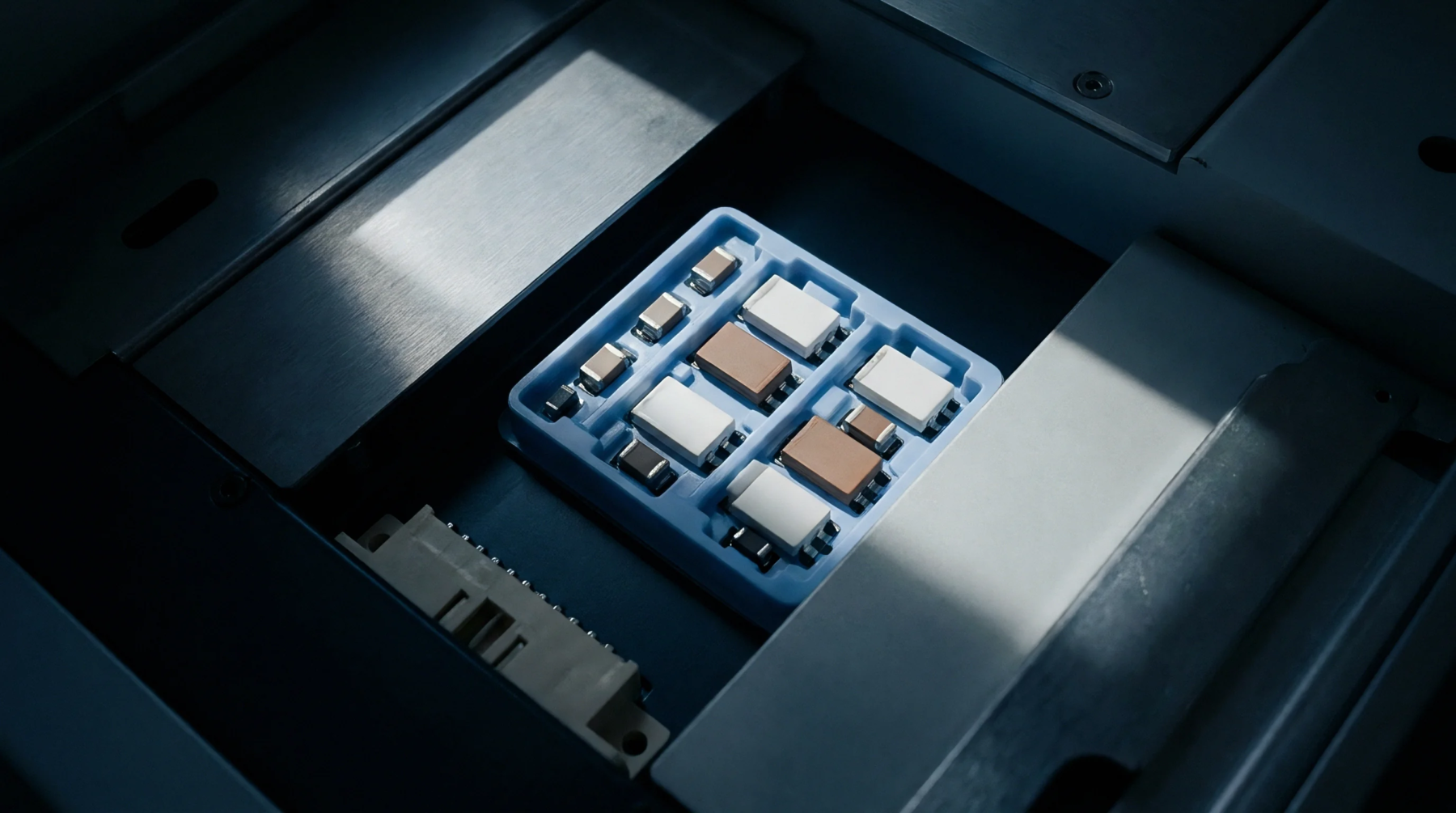
Defective Batch
A specific batch of fabricated printed circuit boards fails to satisfy the agreed technical specifications or workmanship standards established in the purchase contract. When a manufacturer identifies or receives a non-conforming lot, the entire shipment must be isolated to prevent its accidental integration into the electronics assembly line. This designation is triggered when inspection processes detect defects such as trace damage, soldermask misalignment, or incorrect board dimensions that exceed the acceptable quality limits.
Material Disposition
Resolution of the problem requires a formal review of the isolated batch by a material review board. The board decides whether to reject the batch, rework the boards to bring them into compliance, or accept them under a deviation waiver if the non-conformance does not affect the performance. All decisions must be documented to maintain traceabilities and to support any financial claims between the buyer and the supplier.
Preventive Action
Root-cause analysis is conducted to determine why the defects occurred and to implement corrective actions. Engineers analyze the manufacturing parameters on the line to find the source of the issue, such as a worn drill bit or a contaminated chemical bath. Corrective actions are then put in place to ensure the issue does not recur in future runs, and the effectiveness of these actions is verified by increased auditing of the next few batches.
This process of continuous feedback minimizes scrap rates, protects the supply chain from recurring failures, and helps the manufacturer maintain the required quality levels over long-term production contracts.