Repellent Treatment
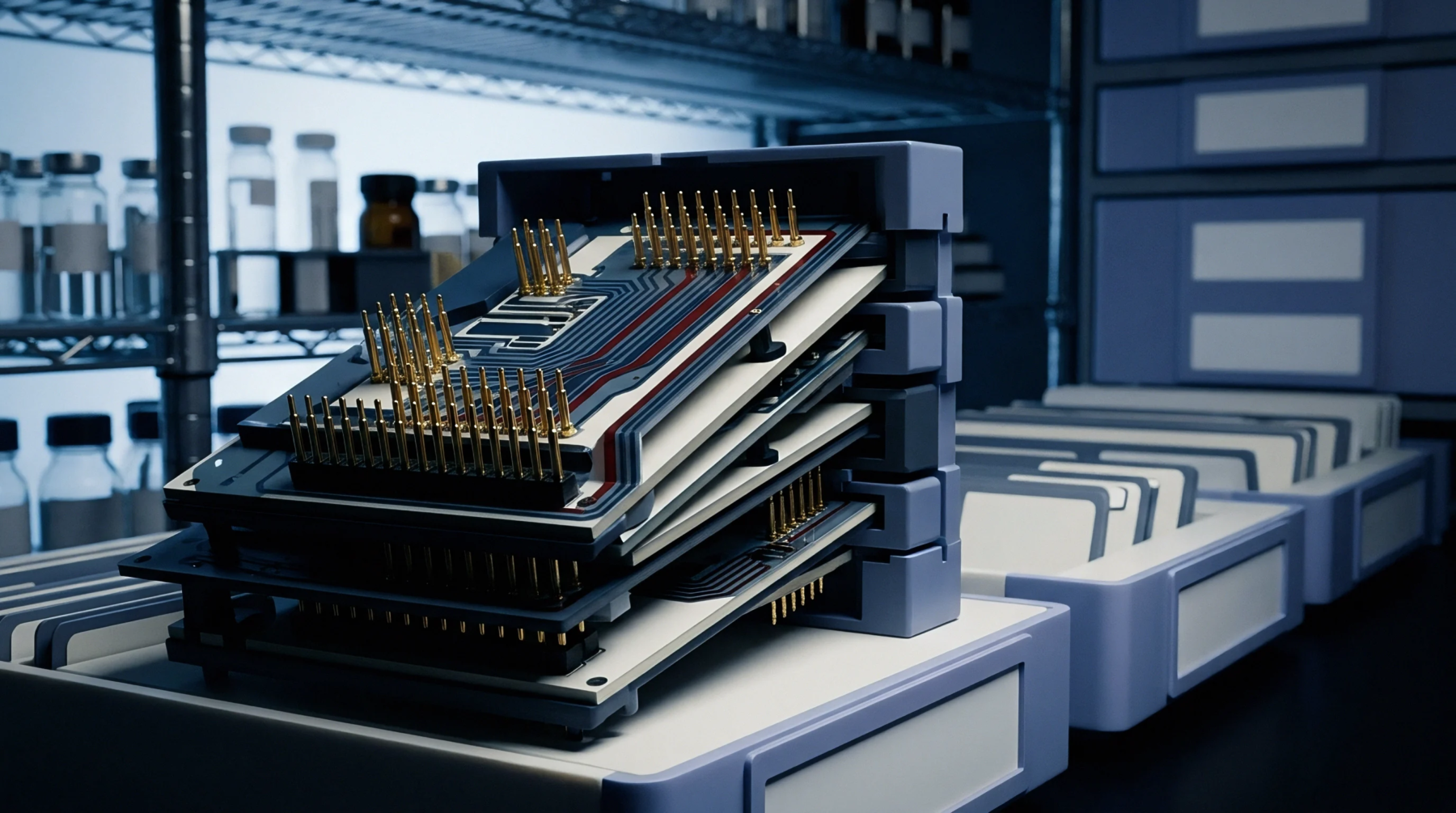
Surface chemical modifications lower substrate surface energy to resist oil accumulation and hydrocarbon contamination on functional electronic assemblies. Creating an oleophobic surface involves applying fluorinated polymer coatings or nano-scale self-assembled monolayers onto exposed board surfaces. Repelling organic liquids prevents oil-based residues from forming conductive contaminant paths across tight pin pitch components.
Touchscreen display glass and optical sensors utilize low surface energy treatments to resist fingerprint smudging and preserve optical clarity.
Contact Angle
Liquid drop goniometry quantifies liquid repulsion by measuring the contact angle formed between an oil droplet and the treated substrate surface. An oleophobic surface exhibits a hexadecane contact angle exceeding ninety degrees, demonstrating minimal surface wetting by non-polar liquids. High oil contact angles force hydrocarbon liquids to bead up rather than spread across circuit board surfaces.
Fluoropolymer chemistry lowers surface energy below eighteen millinewtons per meter. Abrasion testing measures coating durability by subjecting treated surfaces to mechanical rubbing under controlled force. Environmental exposure to salt spray or elevated temperature degrades fluorocarbon chemical bonds over operational lifetimes.
Application Boundary
Fluorinated surface treatments disrupt subsequent chemical bonding and adhesion processes across printed circuit board assemblies. Solder mask adhesion fails when applied over surfaces contaminated with fluorocarbon treatments. Dispensing conformal coatings or potting compounds onto treated substrates results in severe dewetting and delamination along component interfaces.