Galvanic Separation
Electrical safety barriers in circuit boards use light to transfer signals across high-voltage gaps without any direct metal-to-metal contact. This technique is called optical isolation, and it protects sensitive control circuitry from destructive voltage spikes. It is standard practice in industrial automation systems and power supply modules where high-power and low-power circuits coexist.
Component Architecture
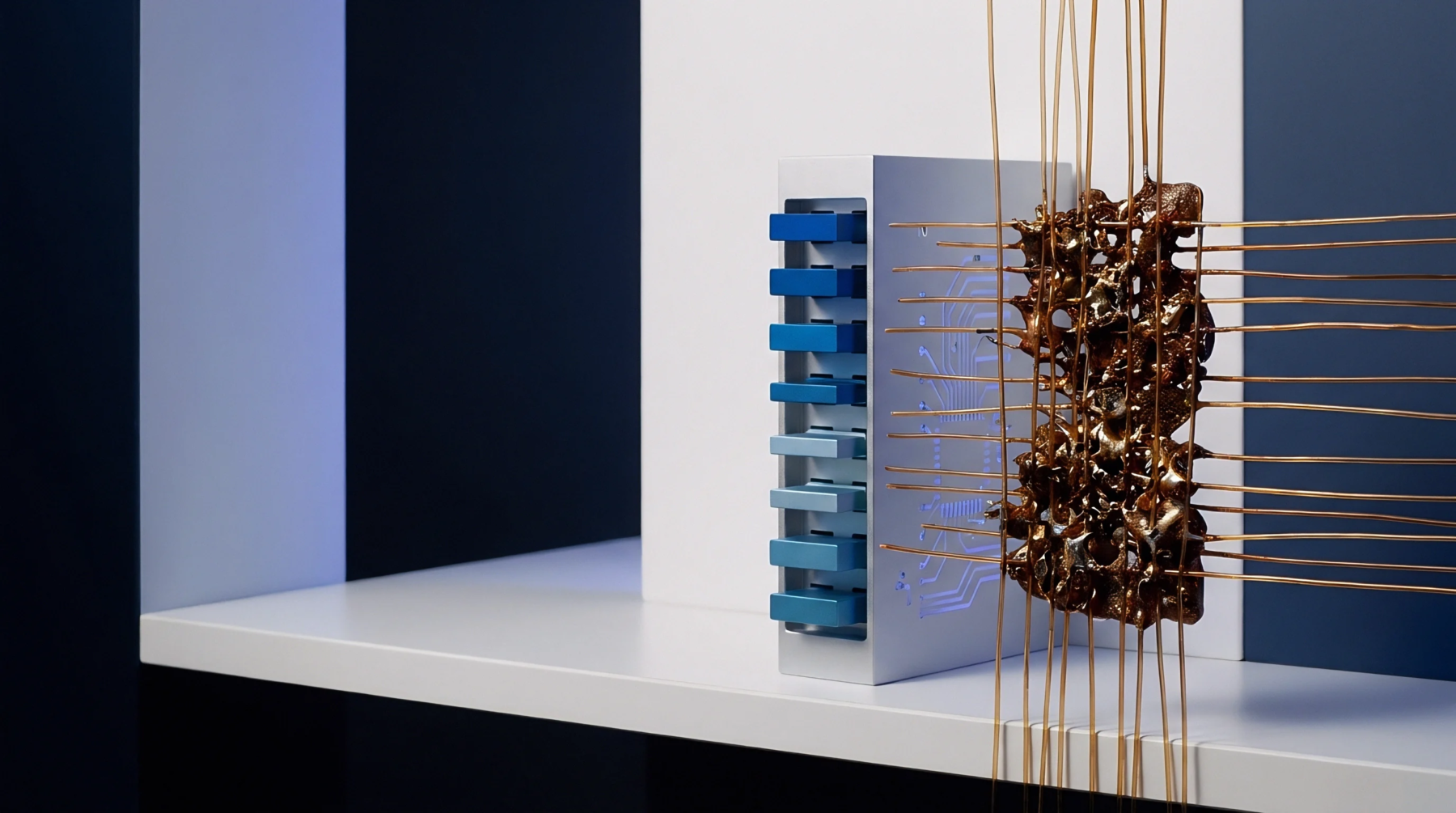
Optocouplers contain an infrared light-emitting diode positioned opposite a photosensitive transistor within a sealed, light-tight package. When the control circuit energizes the internal diode, the emitted light travels across an internal dielectric barrier to activate the phototransistor on the output side, realizing complete optical isolation between the two nodes. Because there is no electrical connection, transients and surges on the high-voltage side cannot cross the barrier to damage the microprocessor or logic gates.
This configuration also eliminates ground loops, which are a common source of electrical noise and signal distortion in analog measurement setups.
Performance Boundary
High-frequency signal transmission across a non-conductive boundary is limited by the response times of the internal optoelectronic components. In fast communication lines, the propagation delay and rise times of the phototransistor can restrict the data rate, meaning optical isolation must be carefully designed to match the bus speed. Overheating and aging of the led can also degrade the transfer efficiency over long operational periods.