Mechanical Deviation
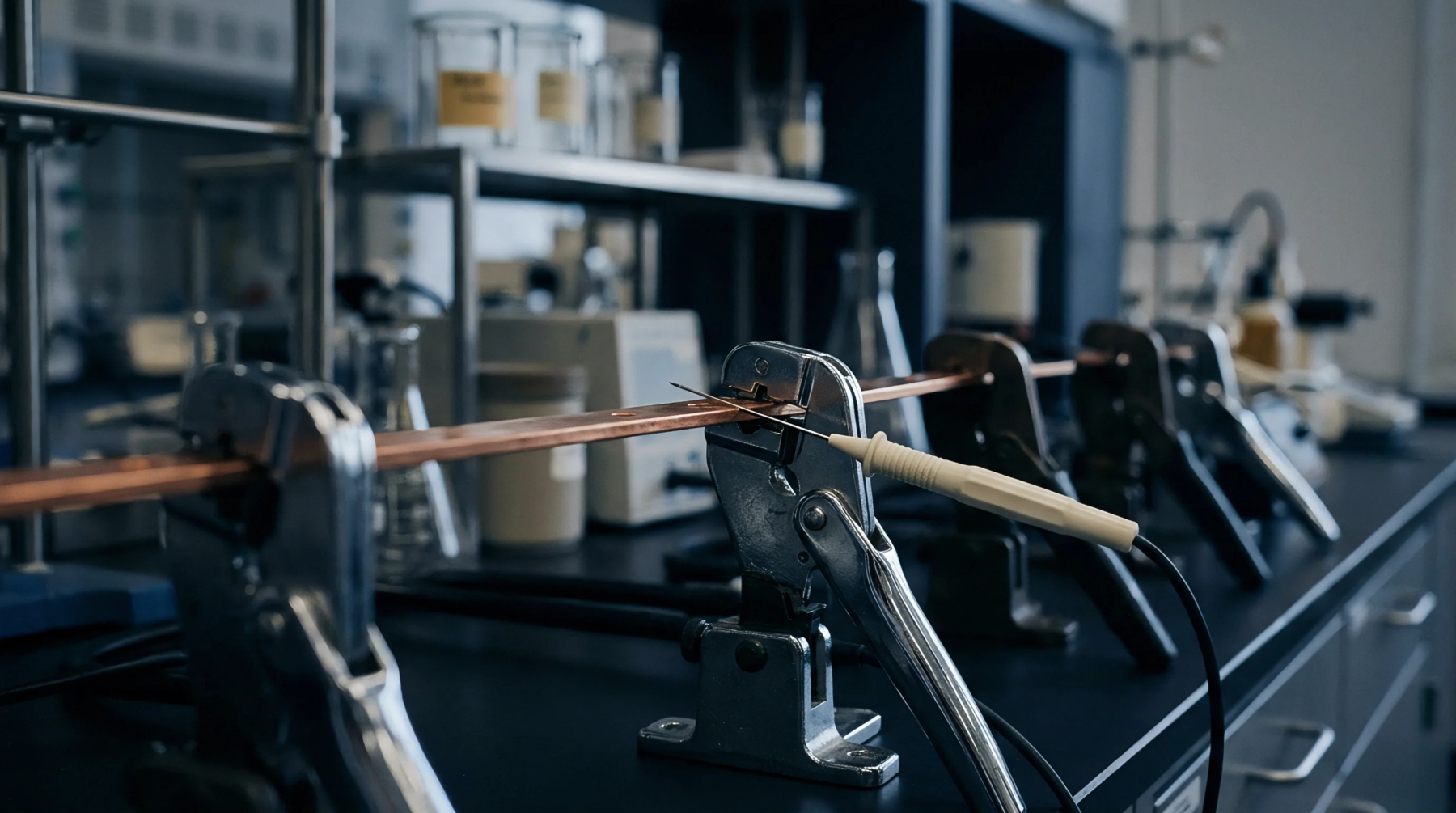
Laminates undergo thermal stress during pressing, which creates internal residual forces that lead to structural warpage known as pcb bow distortion. Manufacturing lines experience this defect when asymmetric copper distribution across internal planes pulls the dielectric material unevenly during cooling. Factories measure this variance using granite surface plates and laser height gauges to verify that warp percentages remain inside acceptable assembly limits before components reach solder paste printing.
SMT placement machines require flat substrates to prevent skipped pads during high speed component placement.
Thermal Threshold
Reflow ovens apply peak temperatures exceeding two hundred degrees Celsius, which softens the cured epoxy resin and allows existing mechanical stresses to reshape the card. Surface mount technology technicians monitor conveyor speeds and thermal profiles to reduce gradient severity during the preheat phase. Excessive temperature ramps increase residual tension within the glass fabric reinforcement, causing the board edge to lift away from the transport rails.
Automated optical inspection units detect the resulting coppers traces microcracking before the electrical test stage rejects the faulty assembly.
Assembly Tolerance
Surface mount lines depend on uniform solder paste height across every pad to form reliable intermetallic connections during reflow. Lifted corners prevent squeegee blades from depositing consistent paste volumes, creating open circuits on fine pitch integrated circuits. Quality engineers establish strict flatness thresholds based on diagonal dimensions, rejecting panels that exceed standard warp percentages per unit length.
Mechanical fasteners and stiffener bars counteract residual warpage during final housing integration to protect solder joints from constant tensile loading.