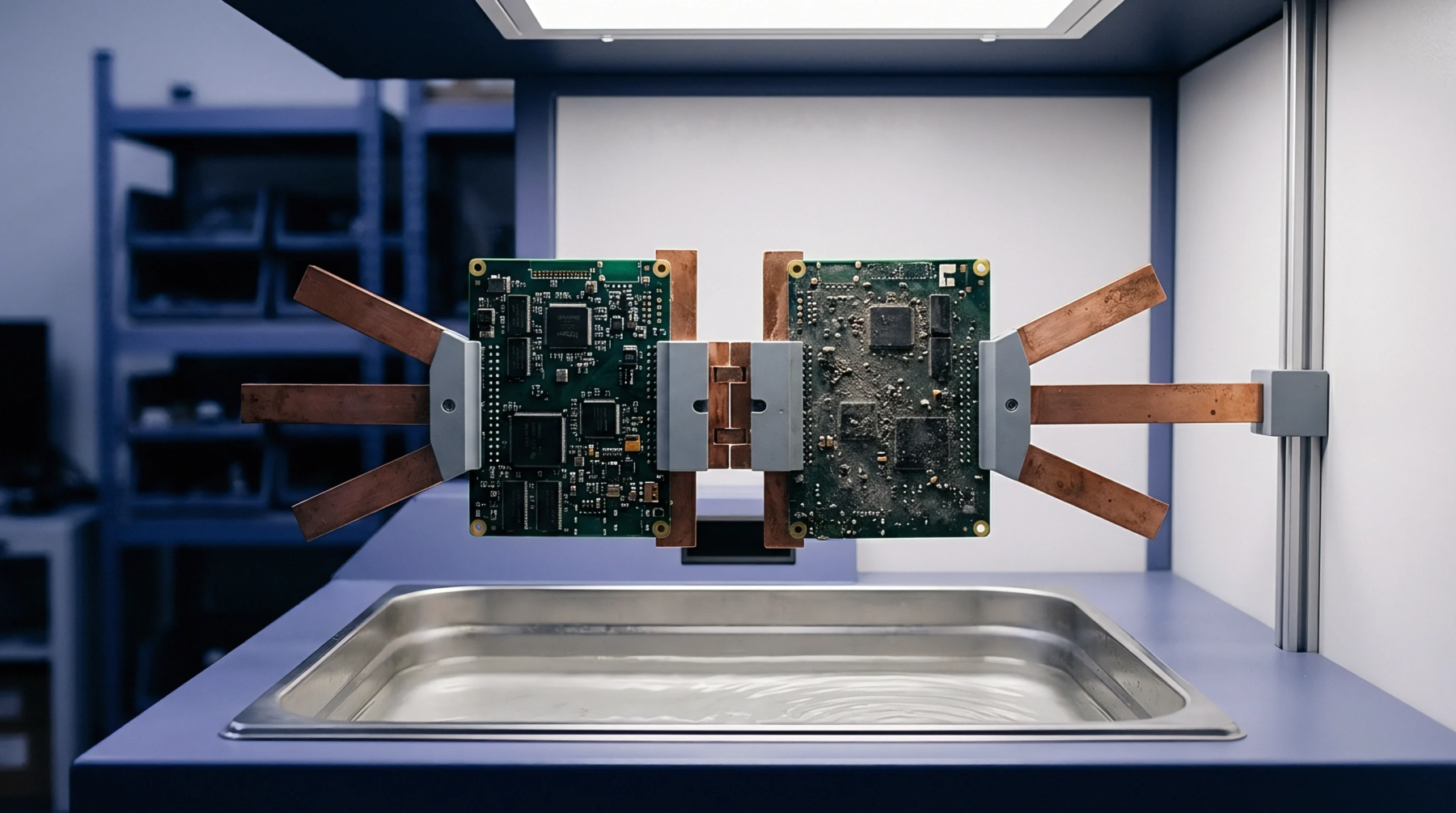
Remediation Procedure
Corrective actions taken after a product has reached the end user involve the systematic return or repair of assemblies found to have a systemic defect. A pcb field failure recall occurs when a notable pattern of malfunctions suggests a widespread issue with materials or manufacturing processes. It protects the brand reputation and prevents potential safety hazards or functional loss in critical applications.
The scope of the action is defined by the batch numbers or date codes of the affected units.
Root Identification
Failure analysis teams investigate the returned units to determine if the issue stems from a design flaw or a manufacturing escape. This process involves cross-sectioning, electrical testing, acoustic microscopy, and environmental simulation to replicate the field conditions. Once the cause is isolated to a specific component or process window, the manufacturer identifies all units produced under those same conditions.
Risk Boundary
Financial liability for the recall often extends to the suppliers of the defective materials or the assembly service provider. Clear traceability records are the only way to limit the recall to the specific population of boards containing the defect. When tracking fails, the scope must expand to include all units produced until the last known good batch, increasing the total cost of the remediation.