Test Coverage
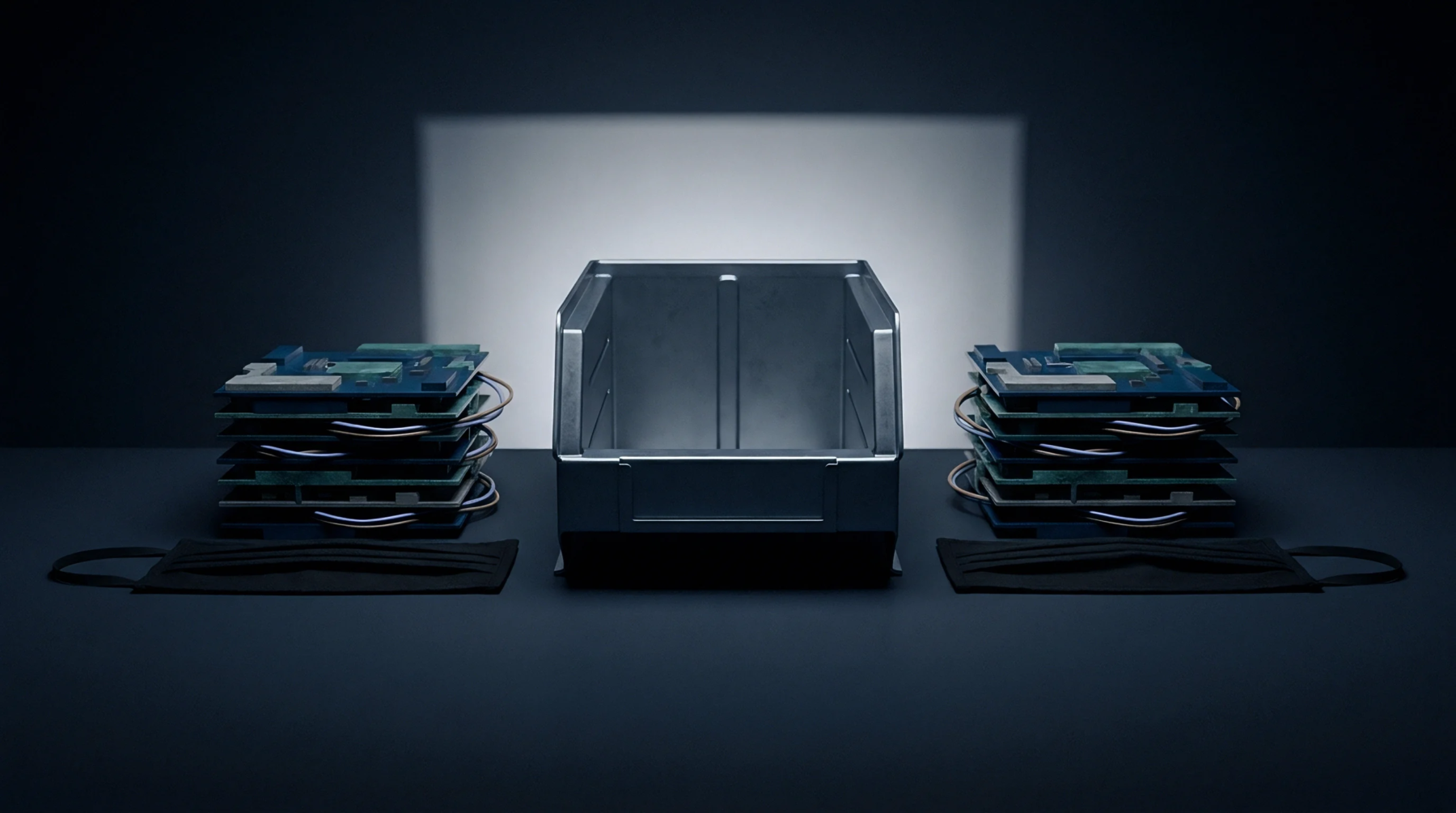
Printed circuit board assemblies require rigorous verification to ensure every functional node remains reachable through automated equipment. The pcola-soami metric evaluates the capability of an assembly to withstand electrical faults by calculating the ratio of accessible test points against the total number of physical nodes present on a design. It specifically maps the presence of physical access for testing (pcola) and the ability to apply signals or measure outputs for solder joints (soami) within a singular quantitative framework.
This assessment determines whether a board layout supports diagnostic feedback at the production level.
Component Accessibility
High density packaging often forces engineers to reduce available test pads to save real estate on external layers. The pcola-soami standard highlights areas where physical interference or lack of conductive contact paths prevents full electrical validation. Manufacturers use this analysis to identify bottlenecks where automated test equipment cannot probe individual pins due to component shadowing or traces buried within internal layers.
Designers rely on these values to move pads or adjust via positioning before committing to expensive mask fabrication.
Process Validation
Final assembly inspection relies on consistent electrical signatures to confirm that internal connections meet signal integrity specifications. A board achieving high marks within a pcola-soami report provides a higher confidence interval for detecting open circuits, short circuits and improper component polarity during the high volume run. Low scores indicate a reliance on less reliable optical methods which cannot confirm subsurface electrical continuity or intermittent joint integrity.
Consistent adherence to these coverage requirements reduces the risk of field returns by capturing latent defects prior to shipping.