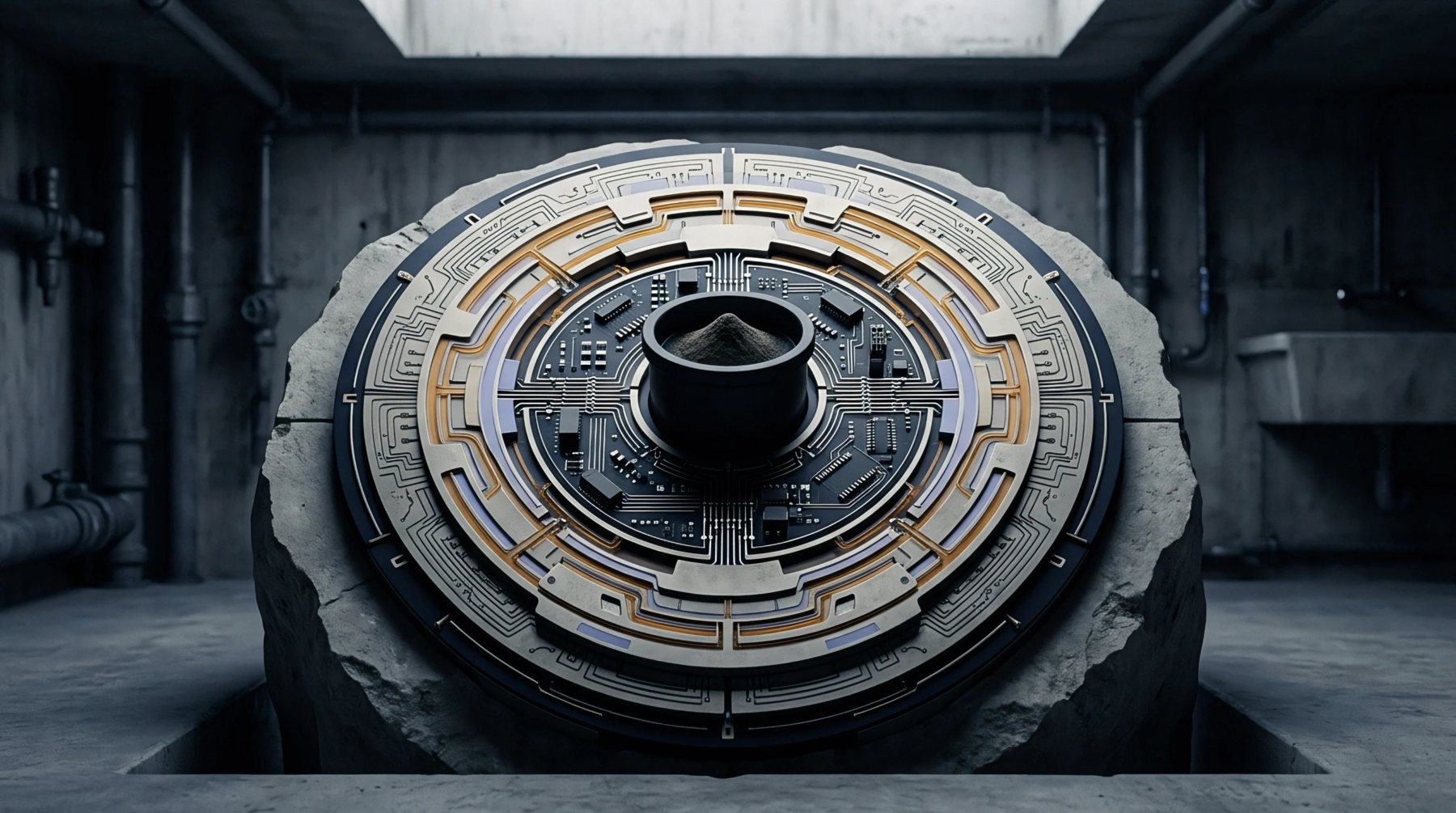
Component Cleanliness
Electronic assembly verification demands rigorous quantification of ionic residues remaining on printed circuit board surfaces after soldering. The pcola-sobo standard provides a measurement protocol for ionic contamination levels extracted from finished hardware assemblies. Inspectors utilize this quantitative value to determine if subassembly surfaces meet electrical conductivity requirements for reliable long term operation.
Failure to maintain these levels below the specified threshold risks dendritic growth or shorts within high density circuitry.
Extraction Mechanism
Technicians submerge the fully populated board within a controlled volume of heated solvent to dissolve surface contaminants. This pcola-sobo methodology requires the solvent to circulate until the ion concentration stabilizes across the entire fluid mass. Sensors then detect the conductivity shift against a baseline measurement taken prior to the cleaning process.
Each result correlates directly to the total equivalent of salt per unit of board area.
Test Boundary
Automated equipment records these conductivity variations to ensure production lines adhere to specified cleanliness grades across high volume batches. This pcola-sobo application stops at verifying post process ionic levels rather than identifying individual residue constituents or specific flux activators. Quality control managers reject assemblies that exceed the defined limit because residual ions bridge adjacent tracks under humid operating conditions.
Verification remains a definitive indicator of chemical clearance prior to conformal coating application.