Directional Velocity
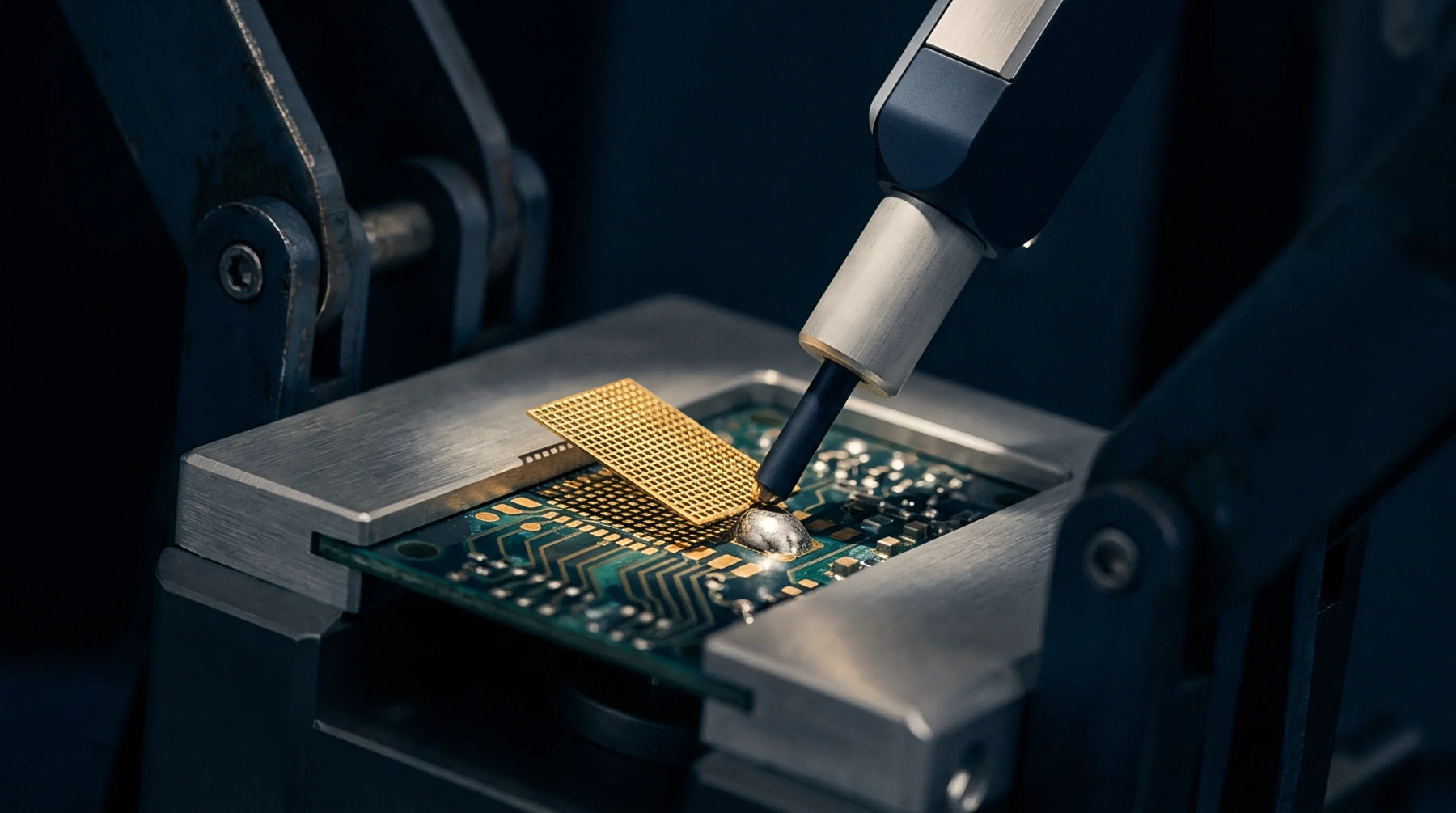
Signal propagation variation phenomena describe the dependence of electromagnetic wave speed on the direction of travel within a composite medium. The effect of phase velocity anisotropy arises in printed circuit boards because of the structured arrangement of glass fibers embedded in the resin matrix. This variation means that signals travel at different speeds depending on whether they run along the warp, fill, or diagonal axes of the glass weave.
This phenomenon is a primary challenge in multi-gigabit board designs.
Waveguide Routing
Trace routing at angles that avoid alignment with the weave grid helps to equalize the propagation delays across multiple lines. When high-speed differential pairs run parallel to the warp or fill directions, they are more susceptible to skew between the two conductors. This directional routing strategy minimizes the skew by averaging the glass and resin exposure of each signal trace.
Timing Implications
High-frequency digital systems require precise timing synchronization to ensure error-free data transmission. As phase velocity anisotropy introduces unpredictable timing offsets between parallel trace routes, it directly reduces the setup and hold margins of receiving circuits. Designers must account for this directional velocity variation when layout rules demand tight timing matching across bus lanes.