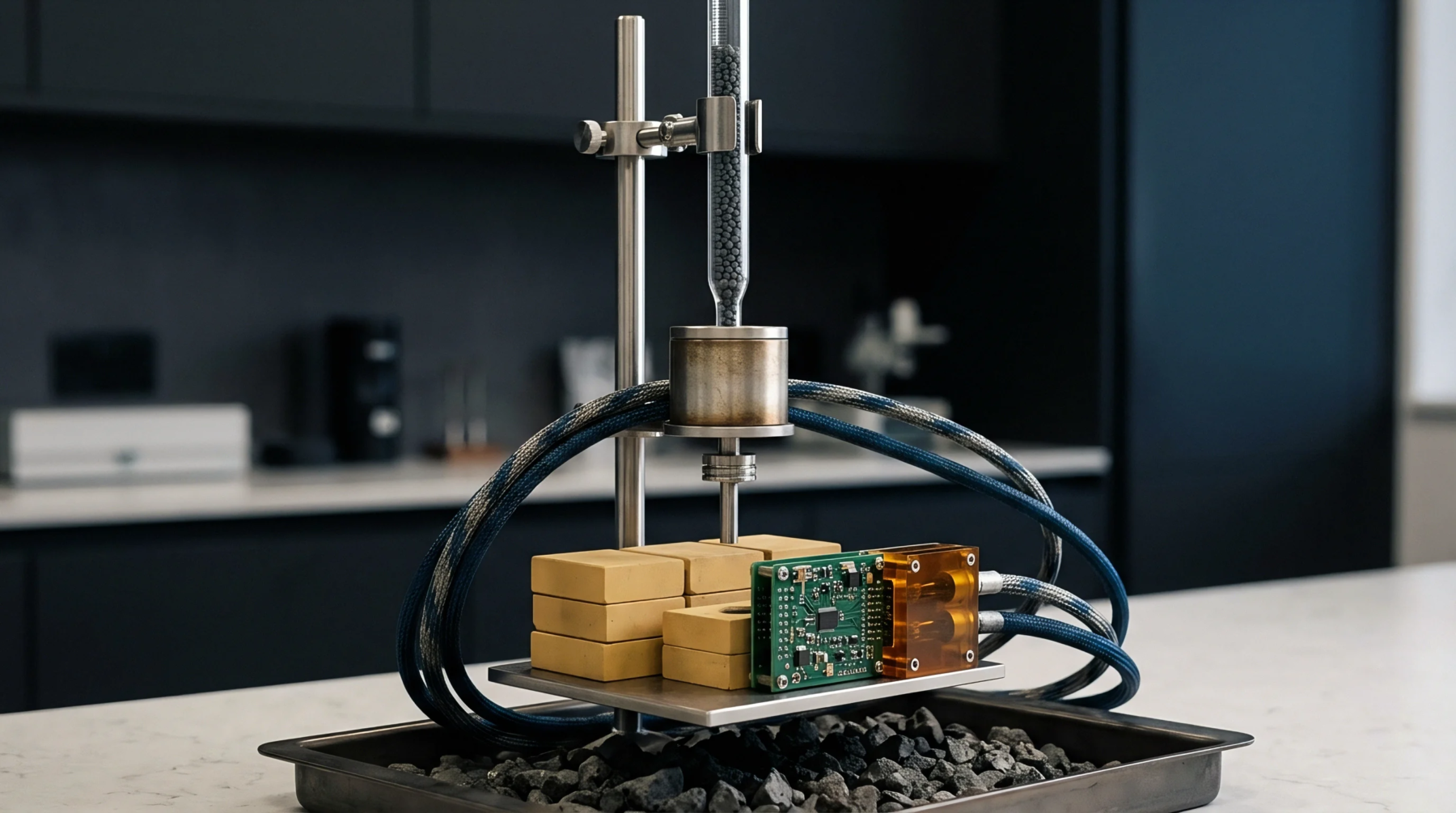
Fixture Alteration
Mechanical adjustment of custom testing platforms is often necessary to accommodate changes in printed circuit board layouts. The execution of a platen modification involves machining or altering the pressure plate of a bed-of-nails fixture to align with revised component heights or relocated test points. It allows existing tooling to be recycled for updated product revisions, avoiding the cost of a completely new fixture.
Machining Process
Modifying the support or pressure plate requires precise milling to create pockets for new components or to shift the entry points for the test probes. This platen modification must be performed on high-precision CNC equipment to maintain the strict dimensional tolerances needed for probe alignment. Holes for spring-loaded probes are reamed to exact diameters to prevent the probe sleeves from twisting or backing out during compression.
Manual adjustments are rarely successful because the density of modern surface-mount devices leaves almost no margin for positioning error. Every re-machining step reduces the structural integrity of the composite material, which limits the number of times a single plate can be updated.
Production Impact
Using modified plates on the assembly line can extend the life of existing testing equipment but introduces risks of mechanical instability. A weakened plate is more susceptible to bending under pneumatic pressure, which can cause intermittent probe contact during high-speed runs. Quality assurance teams must run a master board through the updated fixture to verify that all electrical pathways are correctly probed and that no physical stress is transferred to the delicate board components.