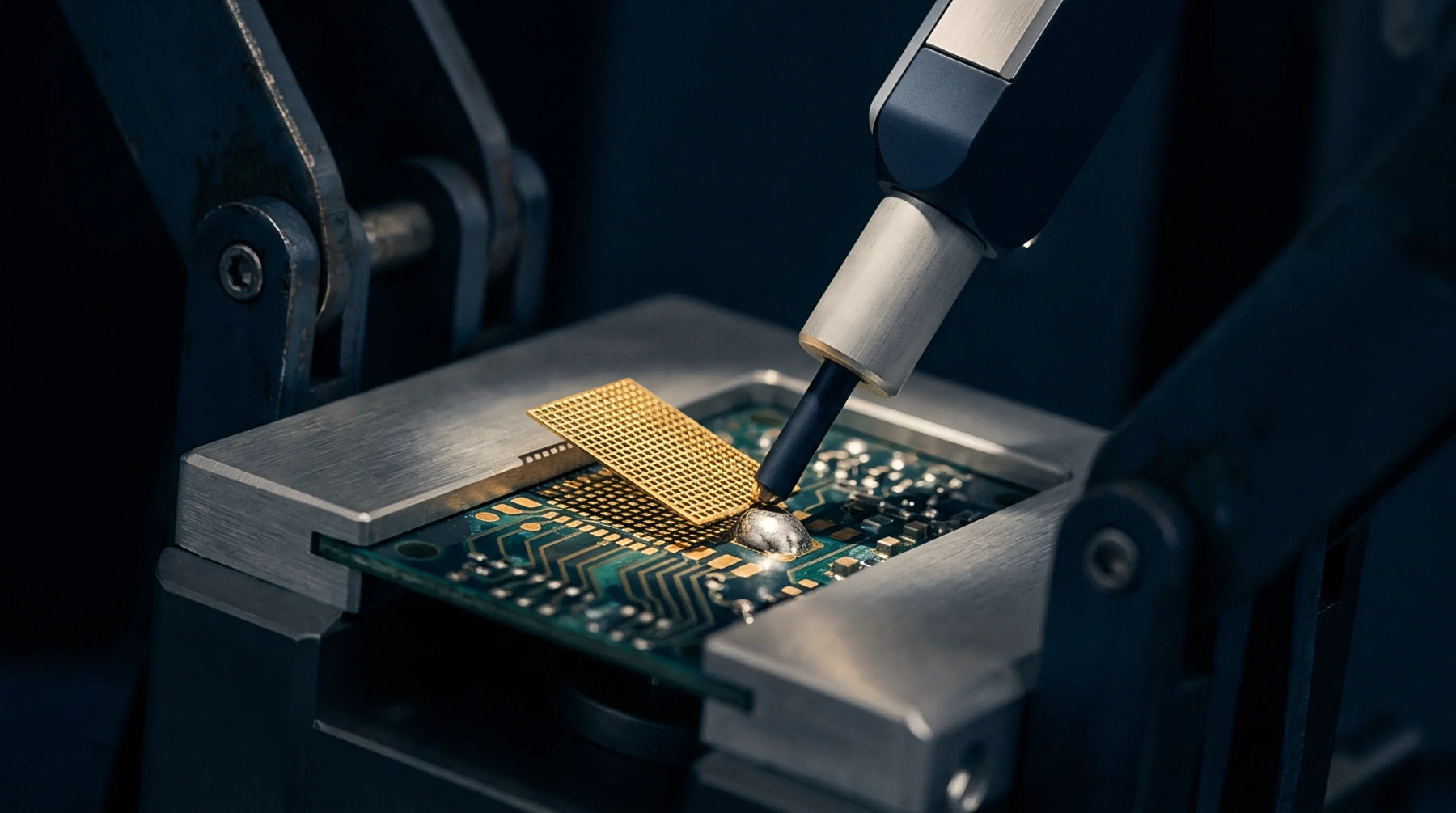
Dielectric Separation
Use of a high-performance polymer as a non-conductive layer between circuit elements provides electrical and thermal separation in flexible and rigid-flex boards. Polyimide isolation is valued for its high dielectric strength and its ability to withstand the temperatures of soldering without losing its mechanical integrity. This material allows for the creation of very thin and lightweight circuits that can still manage high voltages and harsh environments.
Thermal Performance
Moisture absorption is a known characteristic of the polymer that can influence the effectiveness of polyimide isolation if the board is not properly baked before processing. Once the material is dry, it maintains a stable dielectric constant across a wide range of frequencies, which is beneficial for high-speed digital applications. The chemical resistance of the polymer also protects the copper traces from corrosion during the manufacturing process and in the final application.
Reliability in extreme thermal environments is the primary reason for choosing this isolation material over standard epoxy systems.
Reliability Factor
Flexing a board repeatedly requires the isolation layer to remain intact without cracking or delaminating from the copper surface. Tests for the durability of polyimide isolation involve bending the circuit around a specific radius for thousands of cycles while monitoring for electrical leakage. Proper adhesion and material quality are essential for the long-term reliability of wearable devices and aerospace sensors.