Thermal Stability
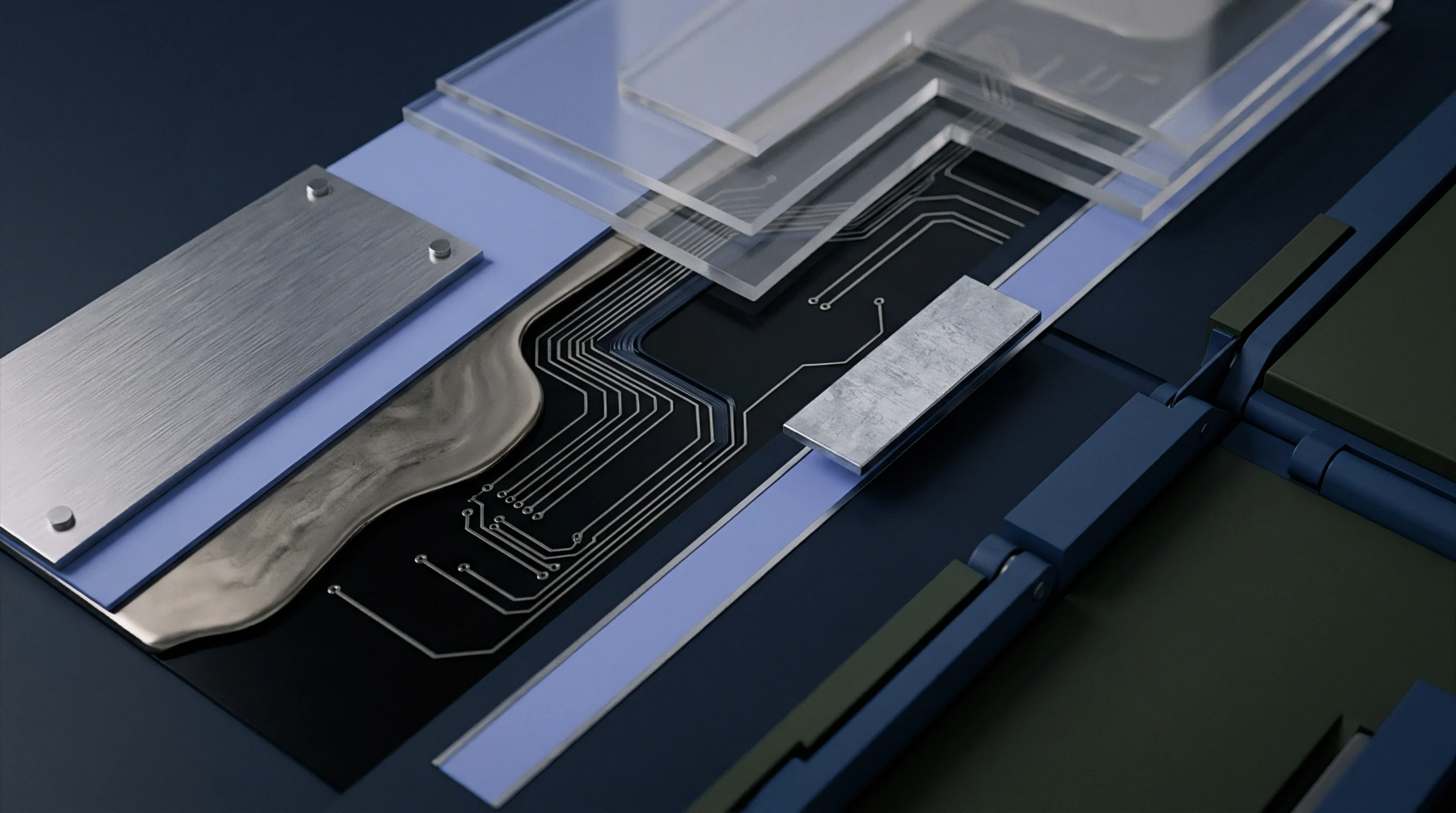
High-performance organic polymers provide the foundation for flexible circuit substrates through exceptional resistance to degradation at extreme temperatures. Polyimide films retain mechanical strength and electrical insulation properties even when exposed to prolonged heat cycles exceeding two hundred degrees Celsius. This chemical structure prevents softening during lead-free solder reflow processes and ensures dimensional integrity throughout fabrication.
The material exhibits a high glass transition temperature that inhibits deformation under localized mechanical stress.
Dielectric Performance
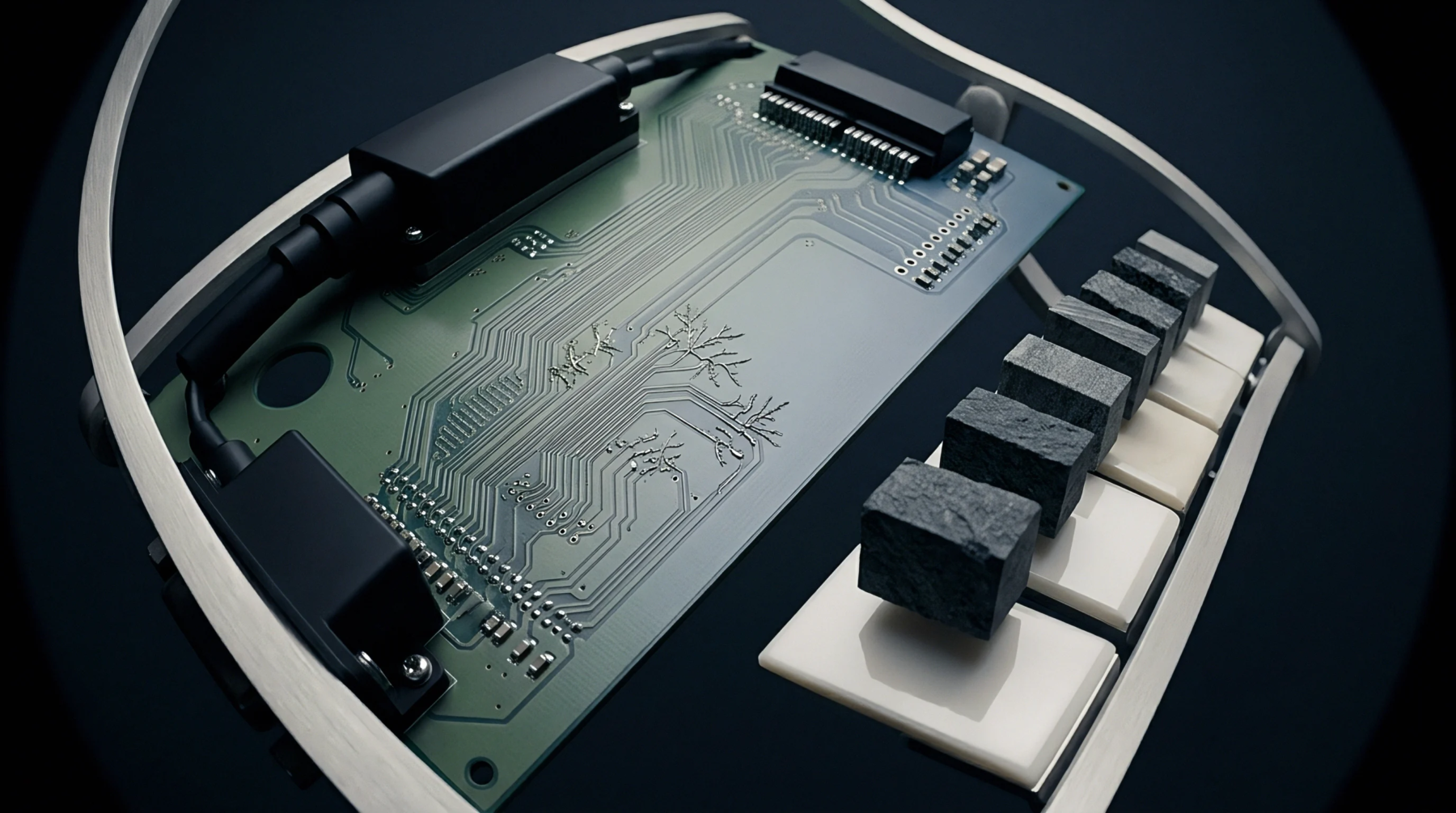
Signal integrity in high-frequency applications depends upon the low loss tangent and stable dielectric constant inherent to these plastic sheets. Polyimide isolates conductive traces while minimizing parasitic capacitance within the multi-layer stack. Engineers specify this film for rigid-flex constructions because the substrate maintains consistent electrical impedance despite repetitive bending or thermal expansion.
Voids or moisture absorption within the base material alter these electrical parameters and trigger performance failure during high-speed data transmission. Surface cleanliness during the lamination process determines whether the copper cladding bonds correctly to the polymer surface.
Manufacturing Requirements
Drilling through this tough resin demands precise control of laser ablation parameters to prevent carbonization or taper in the microvia sidewalls. Tooling configurations must account for the natural coefficient of thermal expansion to avoid registry errors between circuit layers. Cleanroom protocols regulate the handling of thin films to eliminate particulate contamination that degrades the insulation resistance between circuits.
Adhesion promoters improve the interface between the substrate and metallic layers to withstand the stresses of assembly. The material represents the standard for reliable operation in environments where heat dissipation and mechanical flexibility are non-negotiable requirements for long-term stability.