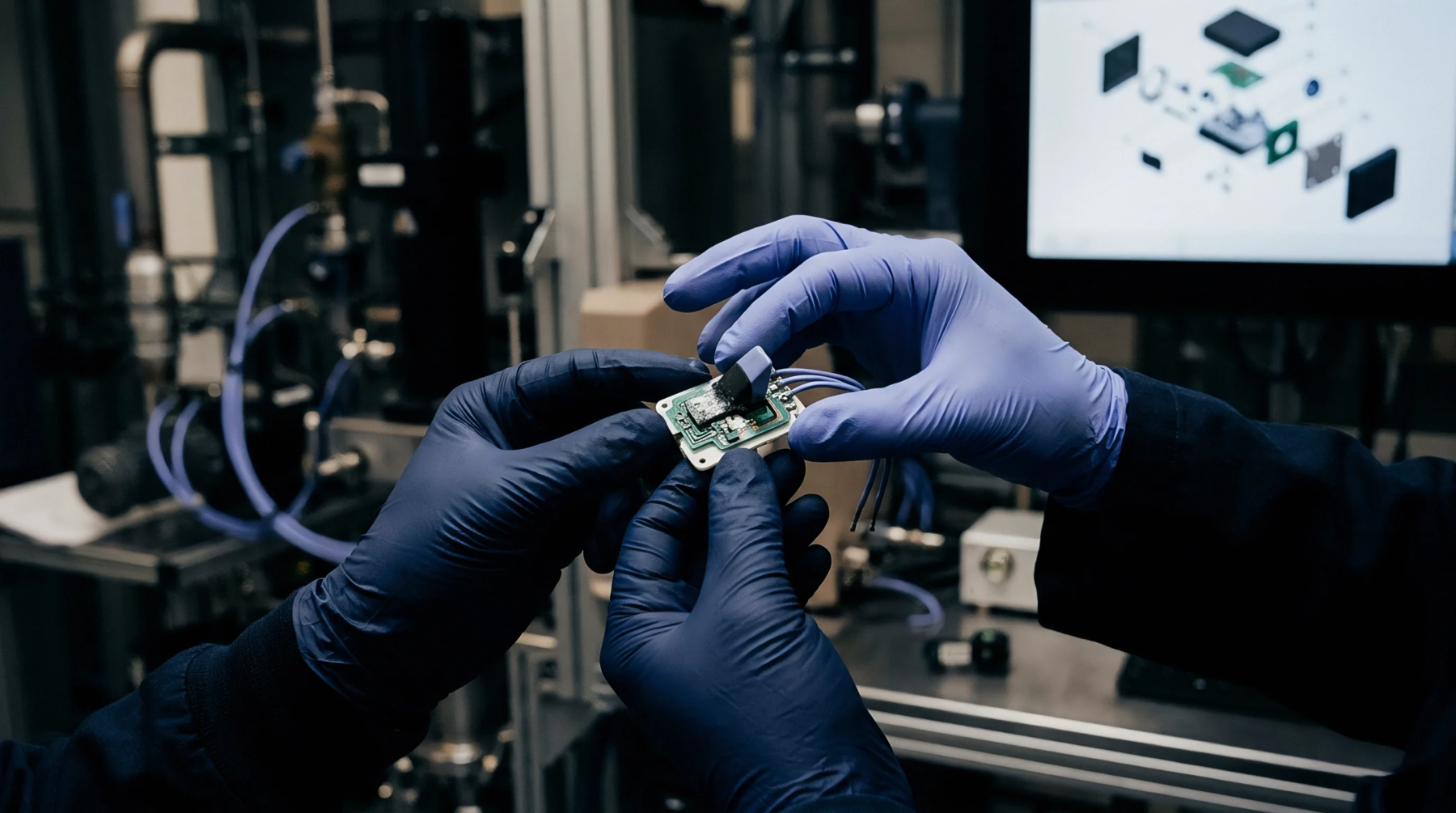
Moisture Desorption
Atmospheric exposure during assembly requires controlled thermal cycles to drive trapped water vapor out of a printed circuit board. Post bake restoration ensures the structural integrity of the base laminate by preventing delamination or blistering during reflow. This thermal treatment resets the internal moisture content to levels prescribed by the original laminate manufacturer.
Recovery Sequence
Heating chambers maintain temperatures between one hundred and one hundred twenty five degrees Celsius for several hours to stabilize the internal pressure of the board layers. Operators track the duration of the cycle against the total time spent in a floor life environment to determine the duration of the exposure. High density interconnect structures demand longer soak times to permit internal humidity to reach the surface.
Once the cycle finishes the board returns to a dry state fit for immediate soldering or vacuum sealing.
Process Limitation
Saturation levels exceeding critical thresholds might render the board irreparable if thermal shock occurred before the removal of moisture. Excessive baking cycles risk the degradation of the copper to dielectric bond or the discoloration of the solder mask. Extended time at elevated temperatures potentially oxidizes surface finishes like immersion silver or lead free hot air solder leveling.
Correct implementation of this procedure preserves the reliability of complex multilayer assemblies under thermal stress.