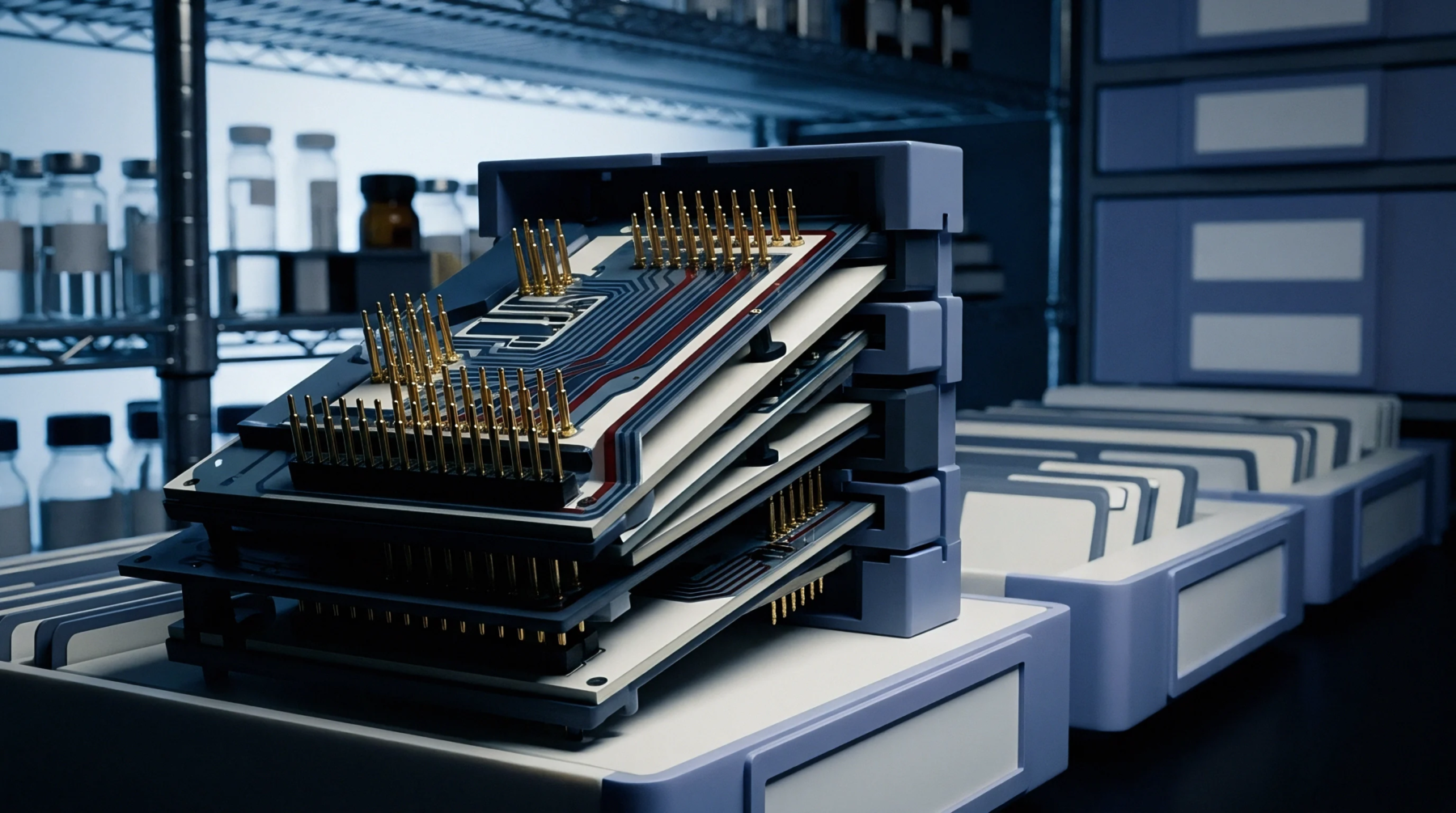
Array Configuration
Manufacturing layouts group multiple individual circuit boards into a single larger sheet for easier handling and processing. printed circuit board panelization allows automated assembly equipment to populate many boards at once, which increases the speed and efficiency of the production line. The panel includes sacrificial borders for machine clamping and alignment features for high-speed pick and place systems.
Handling Efficiency
Rigid rails on the edges of the panel prevent the thin substrates from sagging as they pass through the reflow oven. Without printed circuit board panelization, small or oddly shaped boards would be difficult to move through the standard conveyor systems used in most factories. Stencil printing and automated optical inspection also benefit from the stability of a larger, uniform sheet.
Breakout Methodology
Removal of the individual boards from the panel occurs at the end of the assembly process using various cutting techniques. Scoring with a v-shaped groove or routing small tabs are the most common ways to facilitate this printed circuit board panelization separation. Special care must be taken to avoid mechanical stress that could crack the solder joints of components near the edge.
Automated de-paneling machines use lasers or saws to provide a clean finish without damaging the circuits. Proper panel design ensures the integrity of the board after separation.