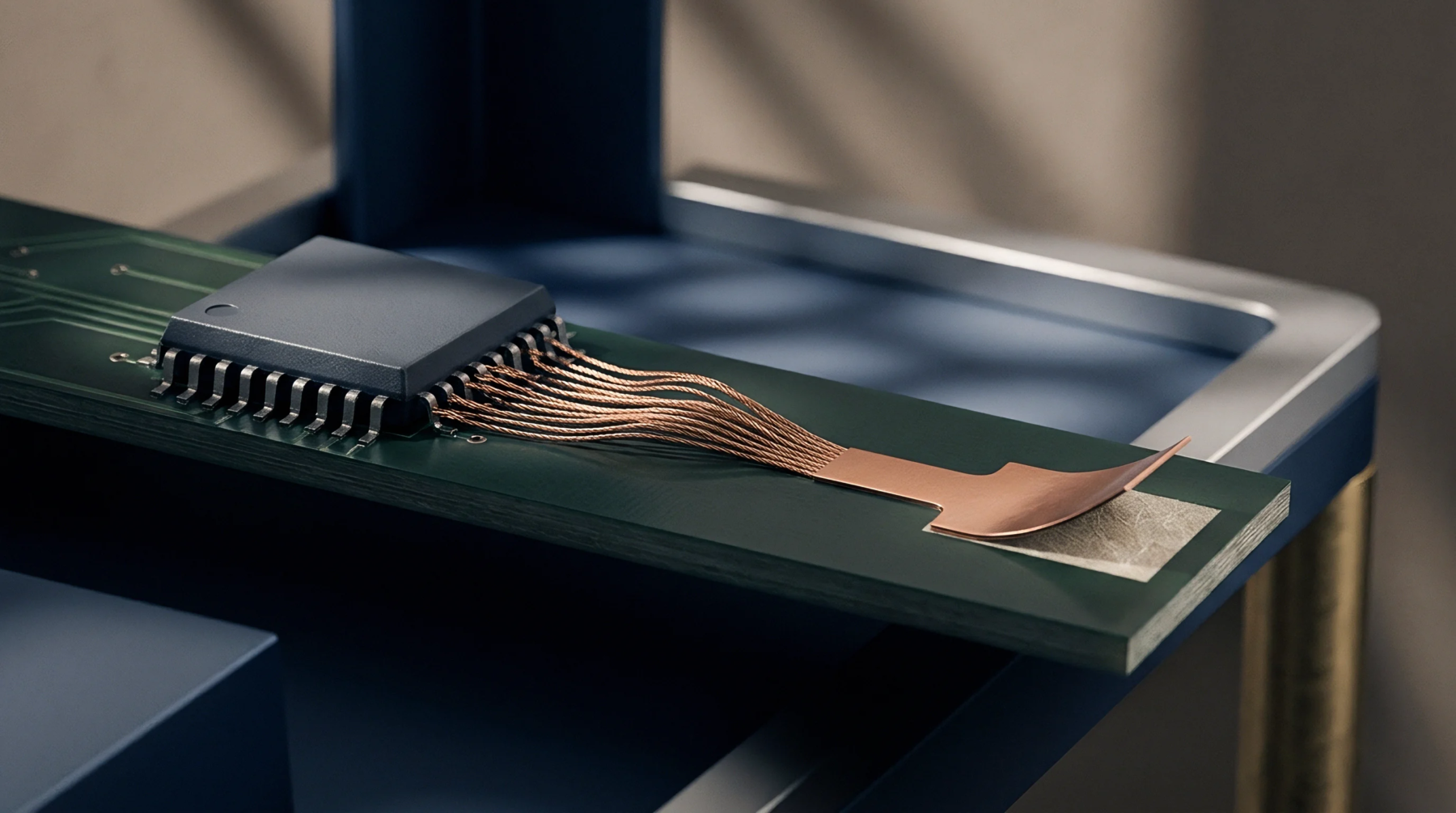
Test Geometry
Standardized test coupons placed on fabrication panel margins represent the physical attributes of associated production circuit boards. Fabricators configure printed circuit coupon design according to IPC-2221 guidelines to replicate trace widths and layer stackups present on the primary board. Standardized patterns isolate specific electrical or mechanical parameters for destructive quality testing.
Microsectioning analysis inspects barrel plating thickness and inner layer connections within coupon structures. Test vehicles mirror panel processing conditions across copper plating, solder mask application and surface finish steps.
Quality Verification
Compliance testing relies on coupons to validate process parameters without destroying revenue-generating production boards. Effective printed circuit coupon design includes specific coupon types such as impedance coupons and thermal stress coupons. Time to delamination and thermal expansion behavior undergo evaluation using IPC-TM-650 test coupon structures.
Lab technicians perform microsection analysis on coupons to quantify hole wall integrity after solder reflow simulation. Acceptance criteria defined in IPC-6012 govern minimum copper plating thickness measured within coupon barrels.
Conductor Trace
Impedance verification demands accurate trace geometry within test coupon structures. Controlled impedance coupons contain high-speed transmission line traces designed to match target system characteristic impedance. Time domain reflectometry measures signal reflections along coupon conductors to confirm target trace parameters.