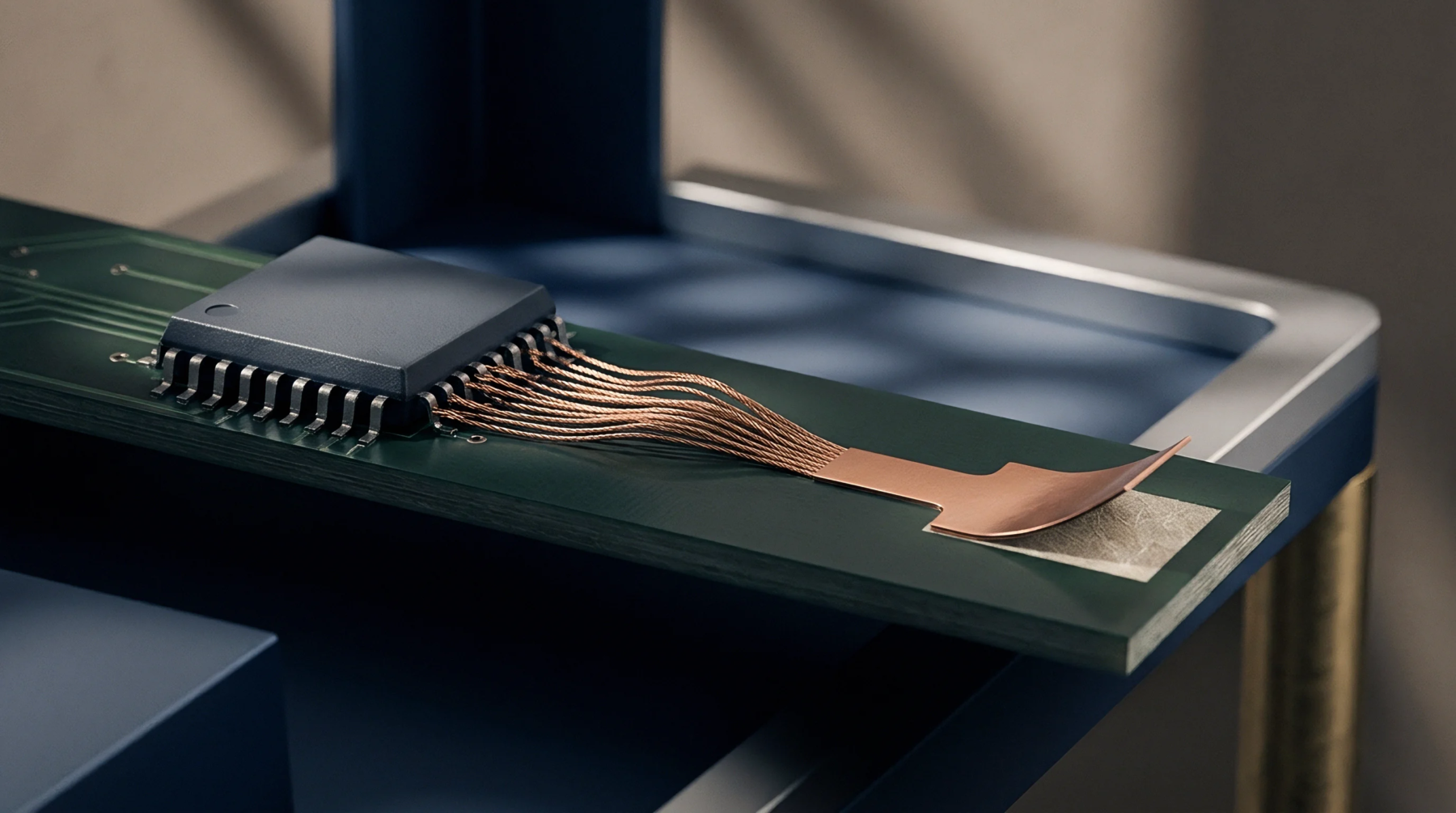
Contact Mechanism
Kinetic mechanism that drives a test pin into physical contact with a target point on a circuit board. Controlled probe actuation ensures that electrical continuity is established without damaging the soft copper of the test pad, maintaining the integrity of the surface for subsequent assembly steps.
Travel Control
Depth of the stroke is calibrated to ensure that the probe tip penetrates any residual flux or oxidation. Standard probe actuation involves moving the pin to a specific working height where the contact force is optimized for the tip geometry, ensuring that the probe can break through surface contaminants. Overtravel can lead to permanent deformation of the pad or damage to the internal spring of the probe.
Precision stops are used to limit the motion and protect the board under test. Mechanical wear on the actuator arm is monitored to prevent drift in the final contact position.
Cycle Reliability
Performance of a test fixture is measured by its ability to repeat this movement thousands of times without failure. Friction within the guiding plate can cause sluggish probe actuation or lead to the pin sticking in the down position. A failure in this mechanism results in false negatives during the functional test phase.