Dispute Resolution
A referee coupon acts as a standardized sample segment harvested from a production panel to resolve quality disagreements between the board manufacturer and the assembly house. Each referee coupon remains attached to the main circuit board panel until the final stages of incoming inspection or reliability testing occur. When measurements taken by the buyer and the vendor differ regarding a critical board characteristic, the two parties process this shared fragment through an independent third party laboratory.
Independent evaluation of this material provides a neutral data set that settles the debate over whether the fabrication meets the agreed specifications.
Technical Boundary
Fabrication shops define the size and location of the referee coupon during the initial design phase to ensure that it mirrors the construction of the primary circuitry. This portion receives identical plating, etching, and lamination cycles as the functional boards on the same panel. A referee coupon does not represent the entire surface area of the larger board, so it remains limited to testing metrics like copper thickness, dielectric constant, or hole wall integrity.
Automated testing equipment gauges these variables across the coupon to establish a baseline for the corresponding production batch.
Verification Protocol
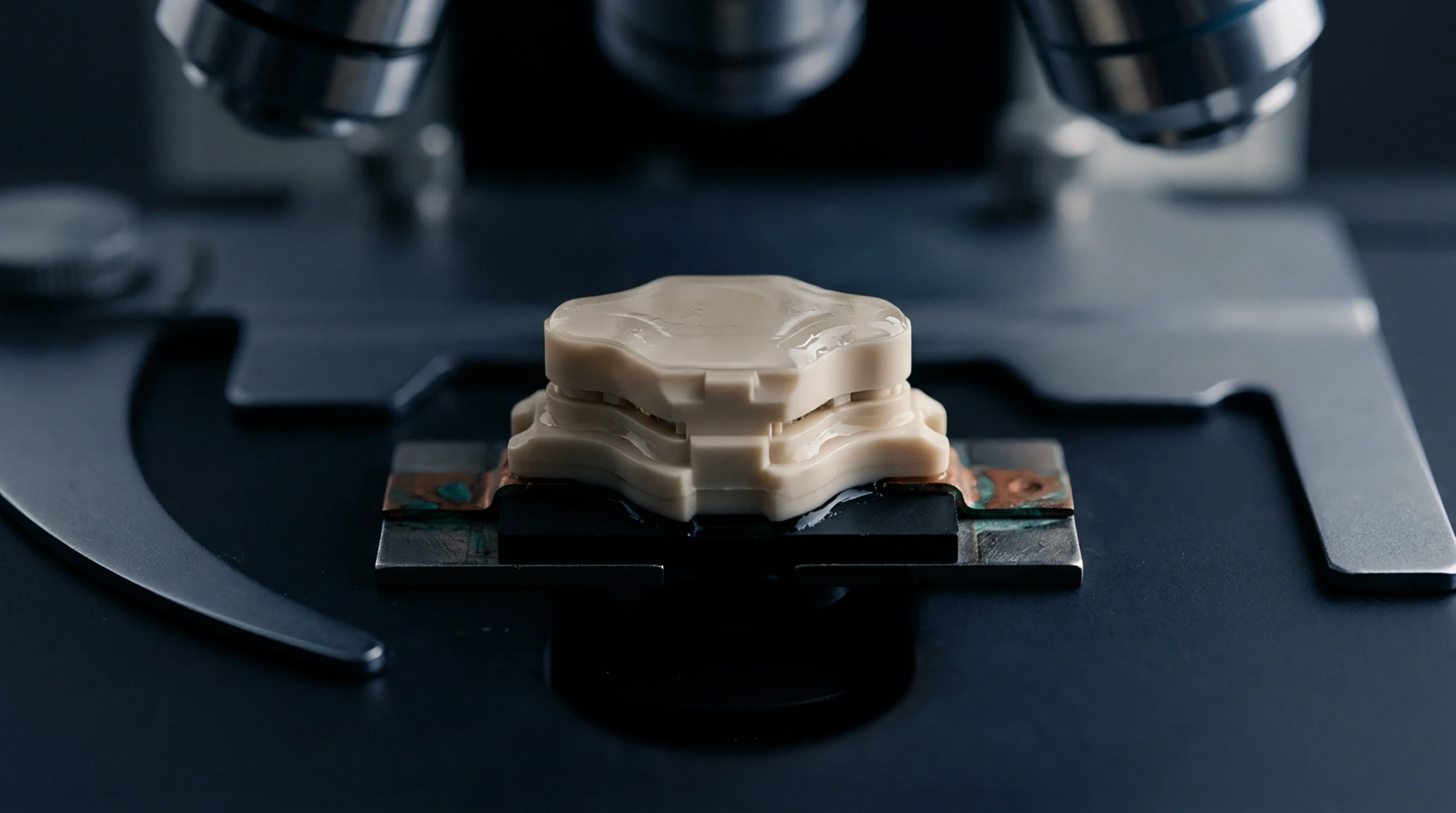
Discrepancies between competing electrical tests necessitate the removal of the referee coupon to undergo destructive analysis. Microsectioning the coupon allows technicians to examine the vertical cross section of vias and interconnects under high magnification. This inspection reveals potential anomalies such as plating voids, resin recession, or drill registration errors that electrical continuity tests often fail to identify.
Accurate identification of these faults determines the liability for the failed lot and dictates whether the production run earns acceptance or triggers a full rejection.