Profile Deviation
Temperature deviations beyond the optimized boundaries of a solder profile can cause irreversible damage to sensitive electronic components. These unplanned temperature variations, termed reflow thermal excursions, often occur due to poor oven zoning or conveyor speed changes. When the temperature exceeds the maximum limit specified by component manufacturers, the internal structure of the semiconductor can be compromised.
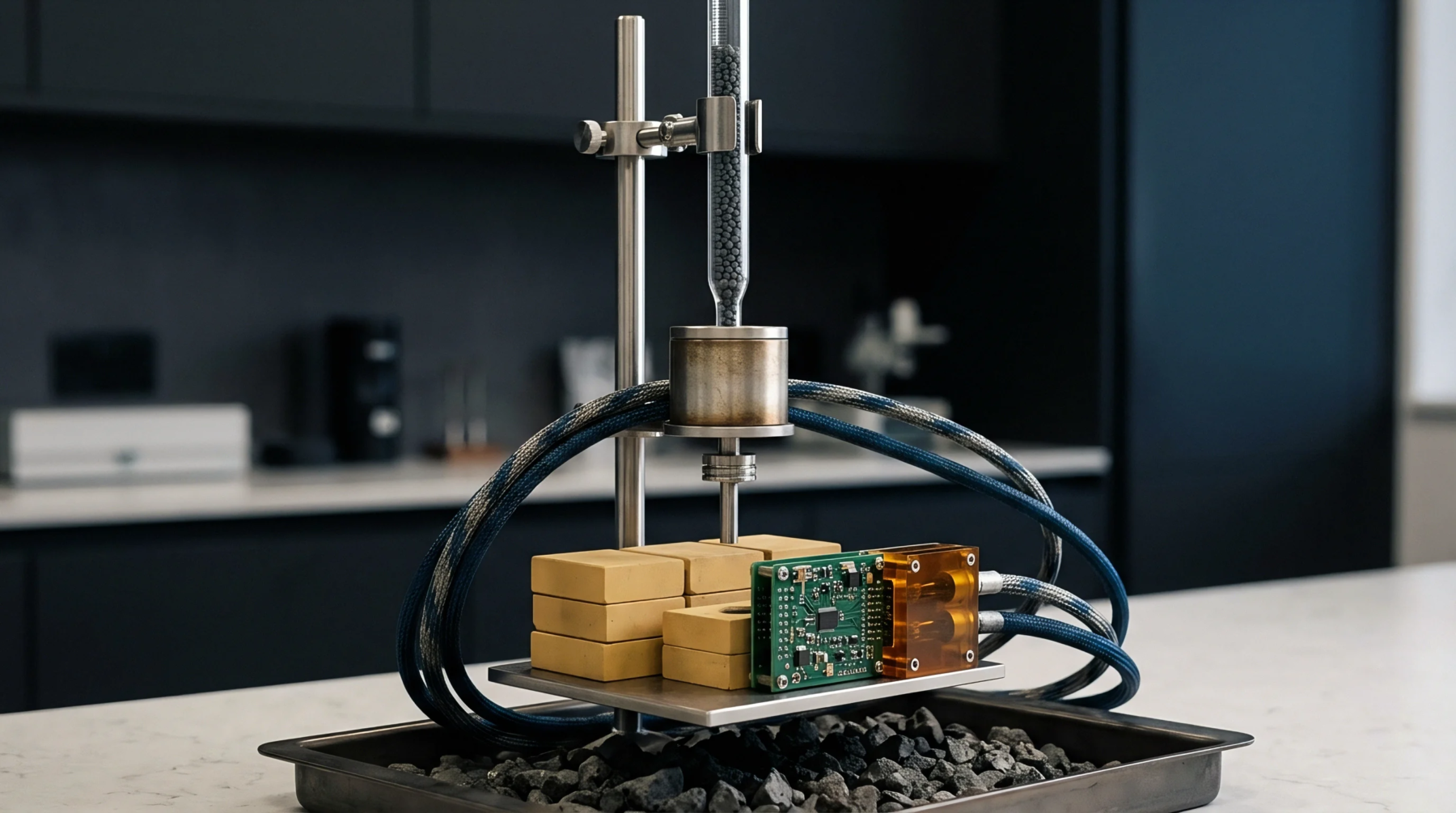
Monitoring devices attached to test boards are run through the oven to detect and record these temperature fluctuations.
Material Degradation
Excess heat and rapid thermal changes alter the physical and electrical properties of both substrates and solder. During reflow thermal excursions, the printed circuit board substrate can exceed its glass transition temperature, leading to warping or delamination of internal copper traces. Solder alloys also suffer from excessive intermetallic compound growth, which makes the joints brittle and prone to cracking.
These structural weaknesses are difficult to detect with automated optical inspection and often escape to the field. In addition, moisture trapped inside plastic packages can turn to steam, causing the package to crack in a phenomenon known as popcorn damage.
Process Control
Continuous monitoring of oven temperature zones and belt speed prevents thermal profiles from drifting. Technicians must calibrate heating elements regularly to maintain uniform heat distribution across the assembly line. Modern ovens feature real-time sensor loops that automatically adjust power levels to compensate for varying board loading.
By establishing strict control limits, manufacturing teams can eliminate unexpected heat spikes.